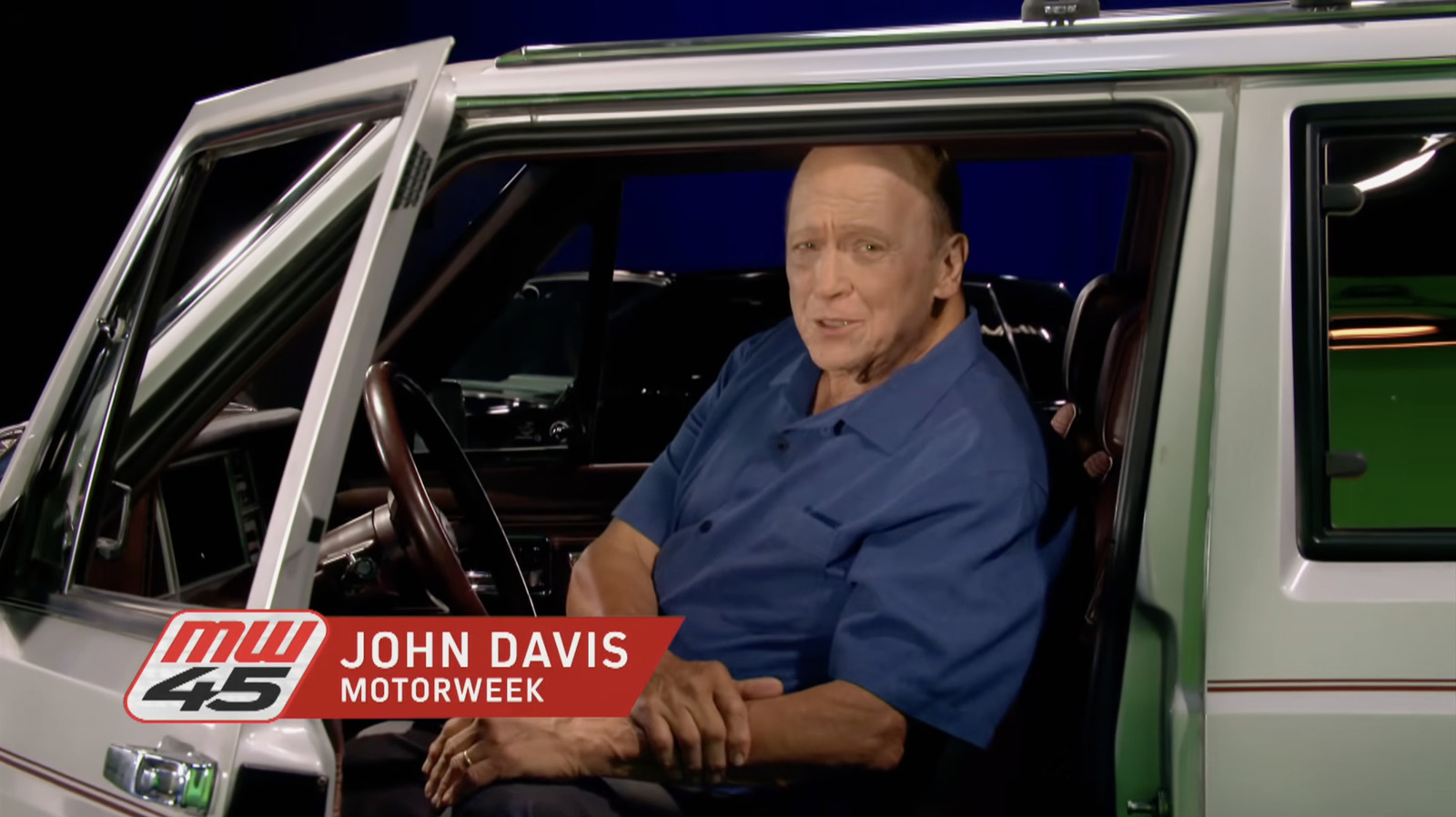
YouTube car reviewers have become the dominant force in automotive content, surpassing traditional written journalism for viewers who want to see vehicles in motion, hear engine sounds, and watch real-world handling. The medium's visual nature aligns with how people actually experience cars—through sight, sound, and performance—rather than through text alone.
Platforms like YouTube enable reviewers to demonstrate acceleration, braking, steering response, and interior ergonomics in ways print cannot match. A camera mounted in the driver's seat during cornering reveals grip and body roll instantly. Engine audio captured on video conveys power delivery better than any written descriptor. Close-ups of controls, materials, and design details show quality and usability directly.
This shift reflects broader consumer behavior. Viewers trust video reviewers because they can observe firsthand whether claims about performance, comfort, or reliability hold up. The format also allows personalities to build followings. Viewers develop relationships with reviewers over time, learning their driving style, preferences, and credibility.
Major automotive outlets recognized this trend years ago. Publications like Motortrend, Car and Driver, and Edmunds expanded heavily into video content. Independent YouTube channels have also carved substantial audiences by offering specialist perspectives—whether focused on track performance, off-road capability, budget recommendations, or detailed technical breakdowns.
The economics matter too. YouTube's algorithm rewards engagement, and longer-form automotive content—test drives, comparisons, detailed reviews—generates the watch time platforms reward. A 20-minute video exploring a new truck's features and real-world utility reaches far more eyeballs than a 2,000-word article.
Written automotive journalism hasn't disappeared, but its role has shifted. Text now serves niche audiences seeking deep technical analysis, historical context, or opinion pieces that video reviewers cannot efficiently provide. The core review function, though, has decisively moved to video.
For manufacturers,