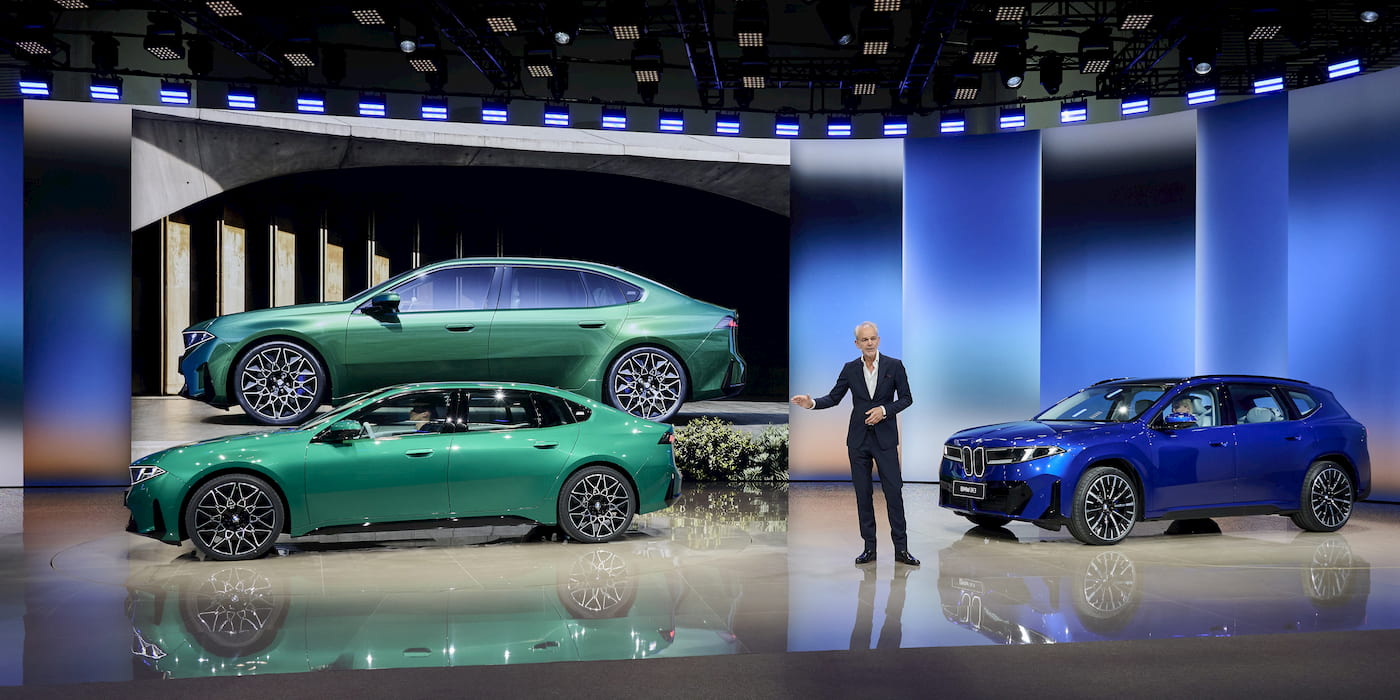
BMW accelerated the sales timeline for its redesigned i3 electric hatchback, opening orders Thursday after customer demand exceeded expectations. The Bavarian automaker had originally scheduled fall availability, but the overwhelming response pushed the company to launch the order book several months early.
The move reflects surging appetite for premium compact EVs in BMW's core markets. The i3 occupies a competitive segment where Tesla's Model 3 and upcoming models from Volkswagen, Mercedes, and Audi compete aggressively. BMW's decision to expedite orders signals confidence in the redesigned model's appeal and suggests the brand believes it can capture meaningful market share in this volume-critical segment.
The new i3 represents BMW's refresh of a nameplate that debuted in 2013 as one of the first mass-produced premium EVs. The latest generation carries forward the brand's design language while incorporating contemporary battery technology and efficiency improvements. Specifics on range, power output, and pricing remain limited from the available information, but BMW typically targets 200-plus-mile range and mid-40,000-dollar starting prices for this class.
Accelerating launch timelines has become standard practice in the EV market as manufacturers race to meet surging consumer interest and capitalize on federal incentives before tax credit eligibility windows shift. For BMW, opening i3 orders early also allows the company to capture customer interest before competitors release comparable models. VW's ID.Buzz and ID.3 remain strong sellers in Europe, while Mercedes prepares the EQE sedan for expanded availability.
This demand surge reflects broader industry trends. Premium EV buyers increasingly prioritize practicality and charging infrastructure over pure performance specs, making compact hatchbacks with real-world usability more appealing than before. BMW's ability to launch ahead of schedule demonstrates manufacturing readiness and supply chain confidence, advantages not all EV startups and