California's solar infrastructure has fundamentally shifted the state's power generation balance. Utility-scale solar plants now outproduce natural gas on most days in 2025, marking a historic inflection point for grid operations in the nation's largest economy.
The US Energy Information Administration released data showing solar generation consistently exceeds natural gas output. This reversal reflects years of aggressive solar deployment across the state, combined with retiring fossil fuel plants and rising natural gas costs.
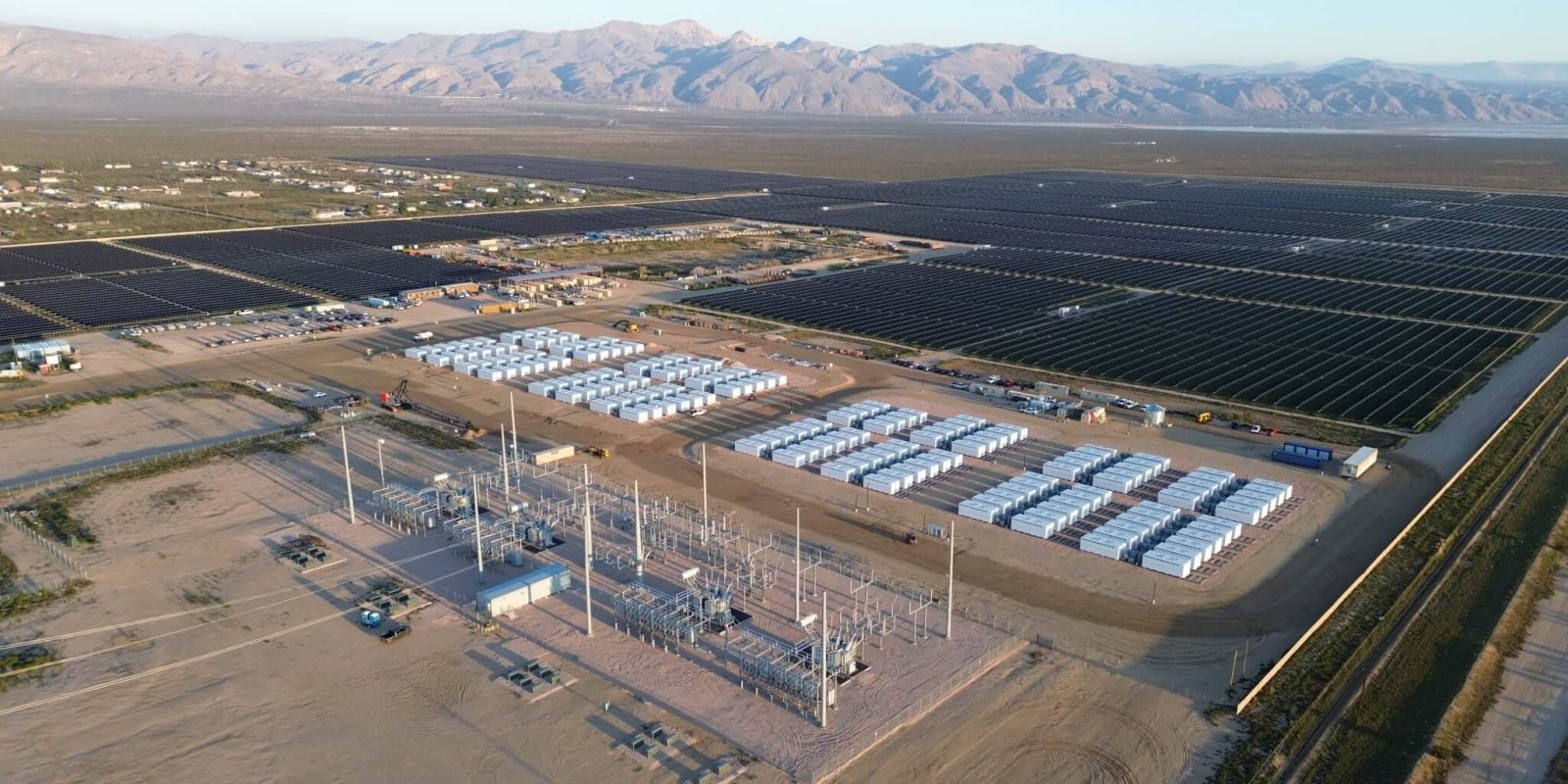
The shift creates real operational challenges. Grid operators must manage steep ramps when solar output drops at sunset, a phenomenon known as the "duck curve." California has addressed this partly through battery storage expansion. Projects like Arevon Energy's Eland facility pair solar arrays with multi-hour battery systems to shift daytime generation into evening hours when demand peaks.
Natural gas plants still serve critical roles. They provide dispatchable power during winter evenings and cloudy weather when solar production plummets. Operators cannot simply retire these plants without risking blackouts. Instead, California's grid increasingly runs natural gas units at reduced capacity and lower utilization rates, driving up their per-megawatt-hour costs.
This dynamic creates economic pressure on fossil fuel generators. Fewer operating hours spread fixed costs across less revenue, squeezing profit margins. Some utilities and independent power producers are converting gas plants to hybrid configurations or retiring them early.
The broader implication extends beyond California. Other states with aggressive renewable targets face similar grid management questions. Texas, which leads US wind generation, and states pursuing 100 percent clean electricity by 2045 must build comparable storage capacity and transmission infrastructure.
Battery costs falling below $100 per kilowatt-hour have made storage economically viable at scale. California now leads US battery deployment, with over 11 gigawatt-hours of installed capacity. Continued cost declines will further tip the balance against natural gas.