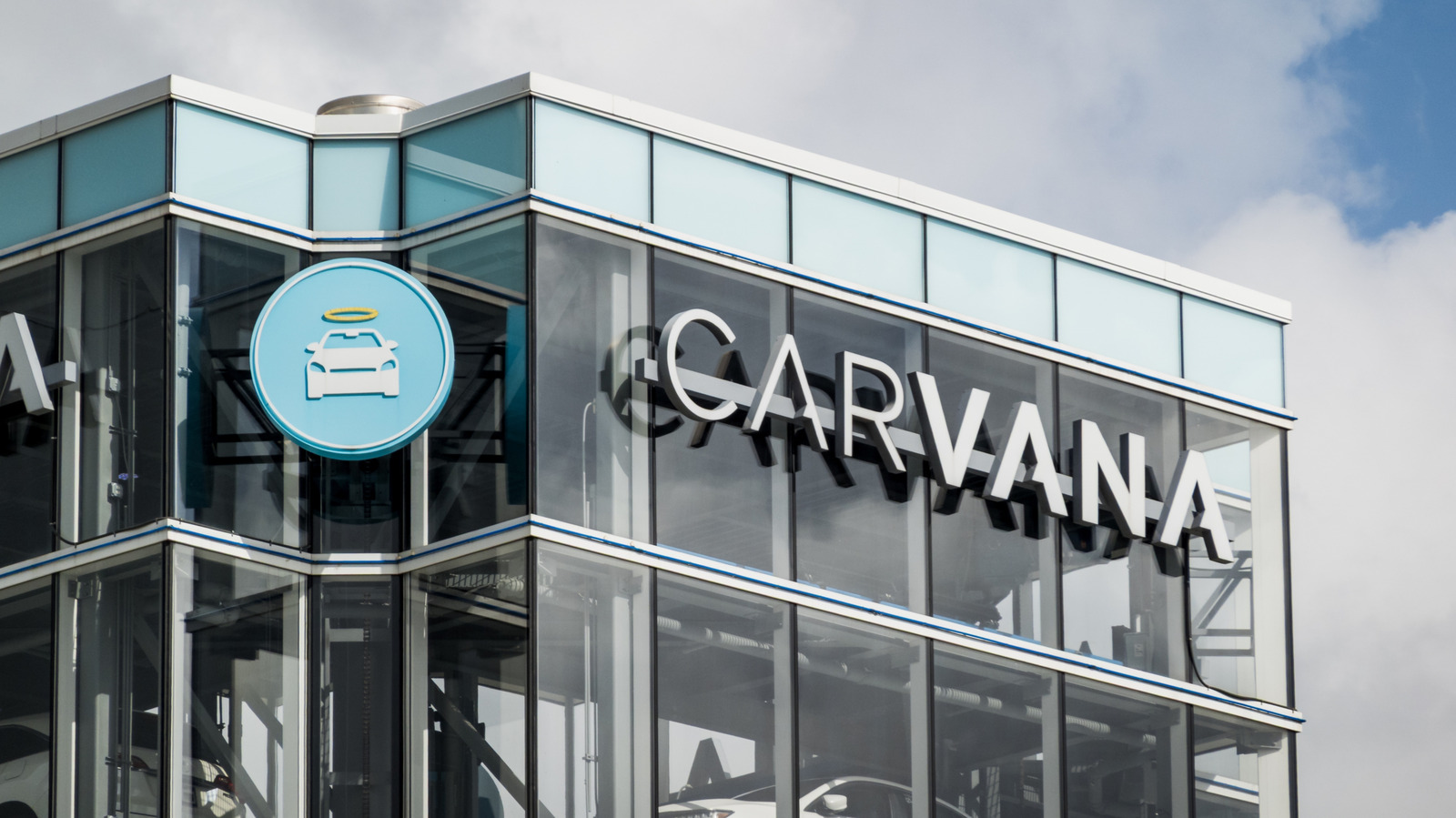
Carvana has shifted strategy by acquiring Stellantis dealerships and entering the new-car sales market, marking a significant pivot from its used-vehicle focus. The online retailer, famous for its automated car vending machines, now operates brick-and-mortar dealerships selling new vehicles alongside used inventory.
This move reflects changing market dynamics in automotive retail. Carvana built its reputation on disrupting used-car sales through digital platforms and physical vending machines that allowed customers to browse and retrieve vehicles without traditional dealership friction. The company faced financial pressures and inventory challenges during the pandemic, but this dealership acquisition suggests management sees opportunity in controlling the new-car sales channel.
By purchasing Stellantis dealerships, Carvana gains access to a major automaker's franchise agreements and new inventory pipeline. Stellantis, the world's fourth-largest automaker, operates brands including Jeep, Ram, Chrysler, Dodge, Peugeot, and Fiat. Controlling dealerships gives Carvana direct access to new-car allocation and eliminates middleman costs.
The strategy makes competitive sense. Traditional dealers have long dominated new-car sales through franchise agreements that protect territory and pricing. Carvana's entry challenges that model by combining new-car inventory with used stock and leveraging its digital sales infrastructure. Customers can now shop both new and used vehicles through Carvana's platform and dealership network.
This acquisition also hedges against used-car market volatility. New-car sales provide more predictable margins and manufacturer support, particularly as Carvana works to stabilize operations. The company has struggled with profitability, and adding new-car franchises diversifies revenue streams beyond used inventory.
The quiet nature of these acquisitions suggests Carvana prefers avoiding publicity while integrating operations. Stellantis deal