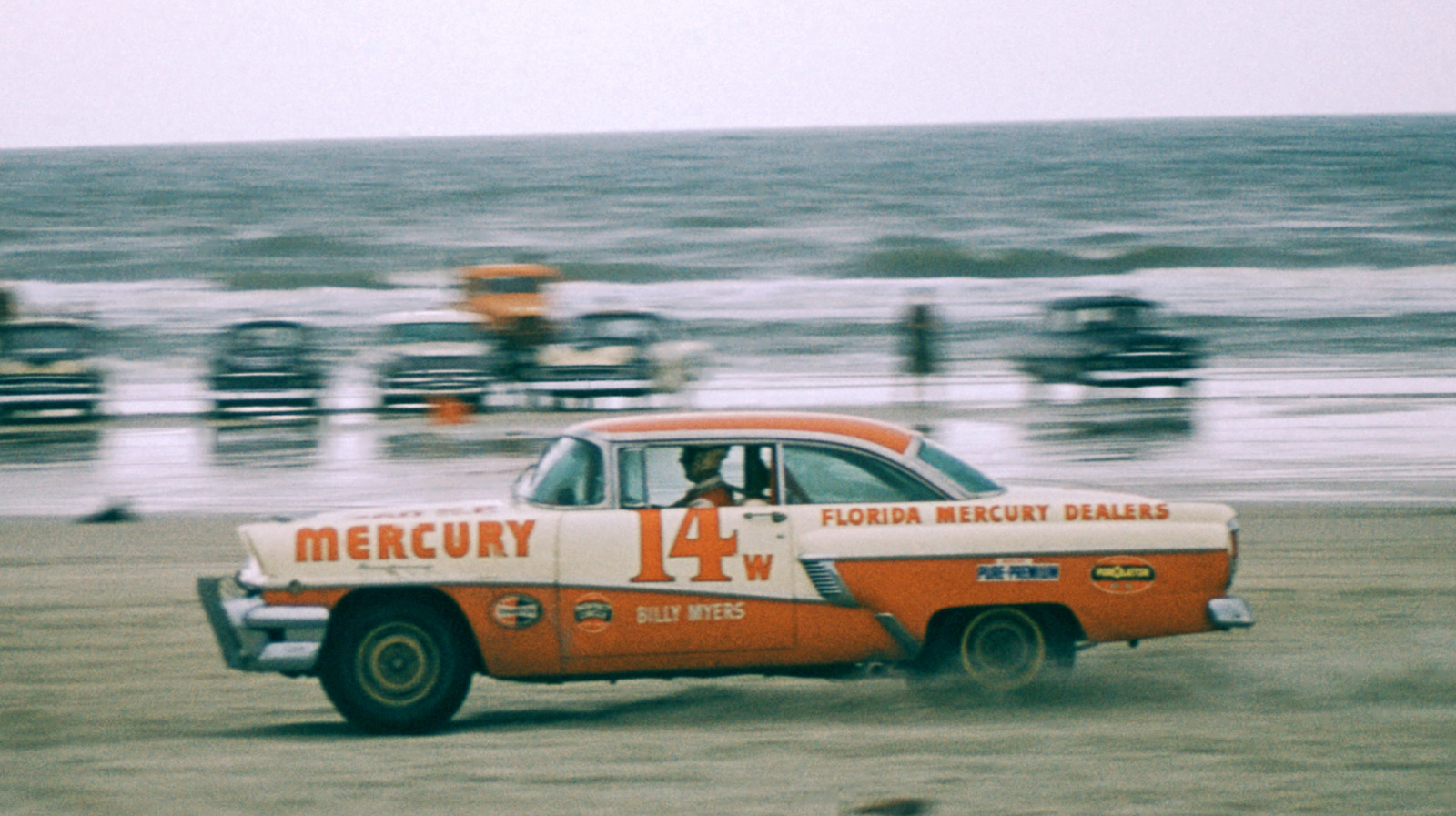
The Automobile Manufacturers Association issued a sweeping racing ban in 1957 that forced Detroit's Big Three to withdraw factory support from competition overnight. General Motors, Ford, and Chrysler had built their reputations on high-performance wins, using race victories as direct marketing tools to sell muscle cars and performance variants to American buyers.
The ban came in response to mounting public pressure and safety concerns. A catastrophic crash at Le Mans in 1955 killed 80 spectators, intensifying scrutiny of motorsports. Insurance companies raised premiums. Congress threatened regulation. Afraid of federal intervention and negative publicity, the AMA announced members would cease factory-backed racing programs immediately.
The impact was brutal and immediate. Manufacturers pulled engines, funding, and engineering talent from race teams within weeks. Independent racers lost crucial factory support and parts supply chains. The decision gutted American racing infrastructure just as competition had reached peak sophistication.
However, the ban created an unintended consequence. Smaller manufacturers and independent teams filled the void. Stock car racing, particularly NASCAR, exploded in popularity as fans sought factory-adjacent competition. Regional short-track racing grew. Foreign manufacturers like Ferrari and Porsche gained ground in international motorsports while American factories sat out.
The ban lasted only a few years in practice. By the early 1960s, manufacturers began circumventing the AMA agreement through thinly veiled "research programs" and sponsorship of quasi-independent teams. Ford's Total Performance initiative and Chrysler's involvement with drag racing represented the industry's return to factory competition, just under different names.
The 1957 ban proved that you cannot kill racing ambition through decree. Manufacturers simply found workarounds. Yet the initial withdrawal damaged American racing's technical leadership and allowed foreign competitors to establish dominance in endurance racing and international championships. Detroit spent decades catching up.