Jaguar Land Rover is doubling down on the US market as its primary growth engine, aiming to reach annual volumes in America that match its current global sales. The British luxury automaker faces a difficult reality in China, where sales have deteriorated to the point that executives consider the market largely unrecoverable in the near term.
This strategic pivot represents a dramatic shift for JLR. The company built its modern identity around Chinese demand, with the Chery joint venture and localized Range Rover models anchoring expansion through the 2010s and 2020s. That market has evaporated as Chinese competitors dominated and import tariffs tightened. Beijing's push toward indigenous EV brands eliminated the luxury import advantage JLR once held.
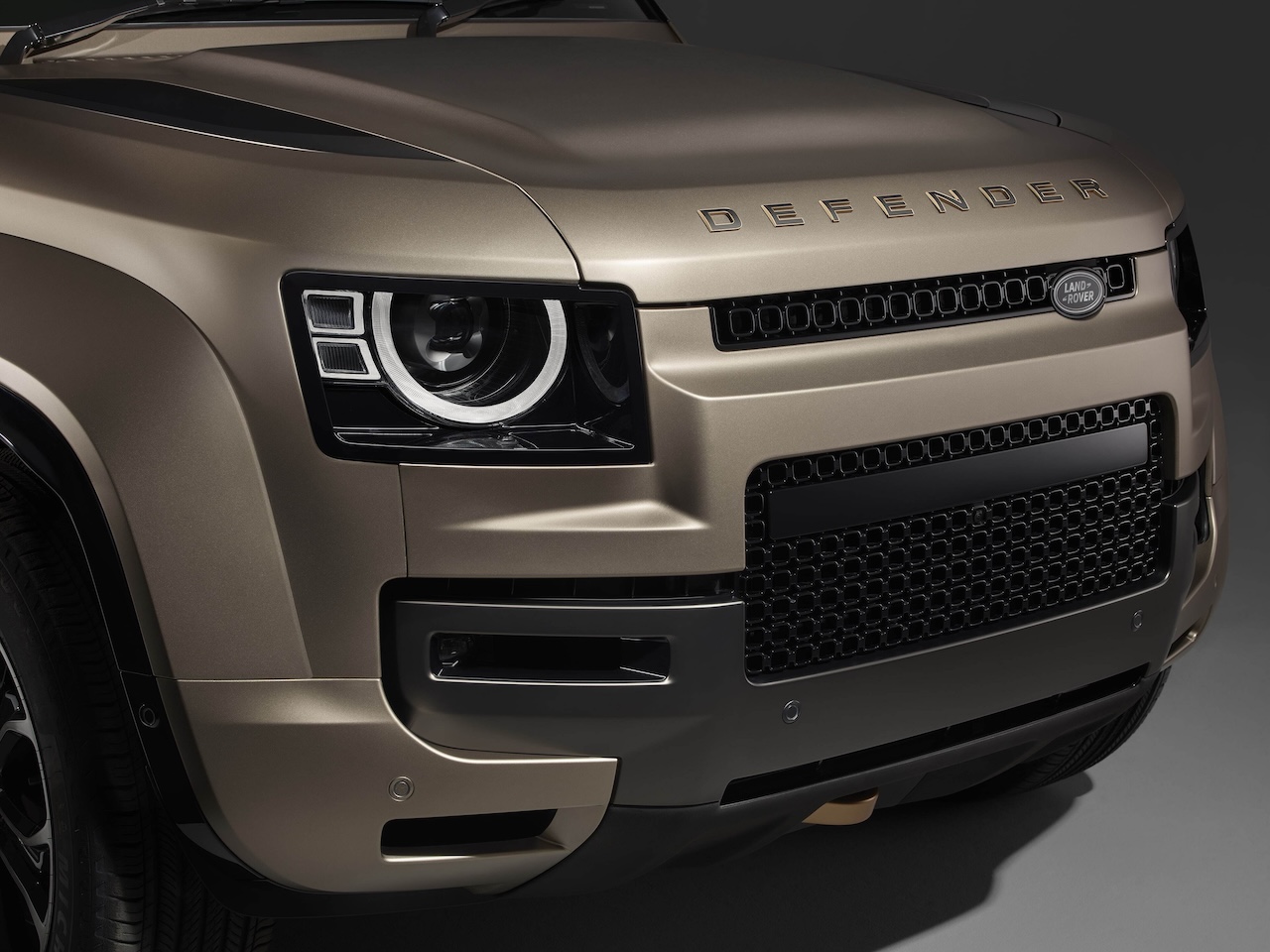
The US offers a different calculus. Range Rover remains a prestige name in American luxury SUV circles, and the Land Rover brand has passionate enthusiasts willing to pay premium prices for Defenders and Discovery models. Range Rover Evoque compact luxury crossovers appeal to younger buyers seeking status without full-size SUV commitments. JLR's electrification roadmap, including the upcoming all-electric Range Rover and updated Range Rover Sport, positions the brand for a US market increasingly skeptical of pure combustion engines.
Growing US volume to global sales levels means JLR needs to roughly double or triple current North American output, depending on its total revenue picture. That requires both increased dealer penetration in growth markets like Texas and California, plus fresh model lines that appeal beyond existing Range Rover clientele. The brand's luxury positioning shields it from mass-market competition but also limits addressable volume.
JLR must execute flawlessly. US luxury competition intensifies as established players like BMW, Mercedes, and Audi fight for share while Tesla and emerging Chinese EV makers target premium segments. JLR's Jaguar