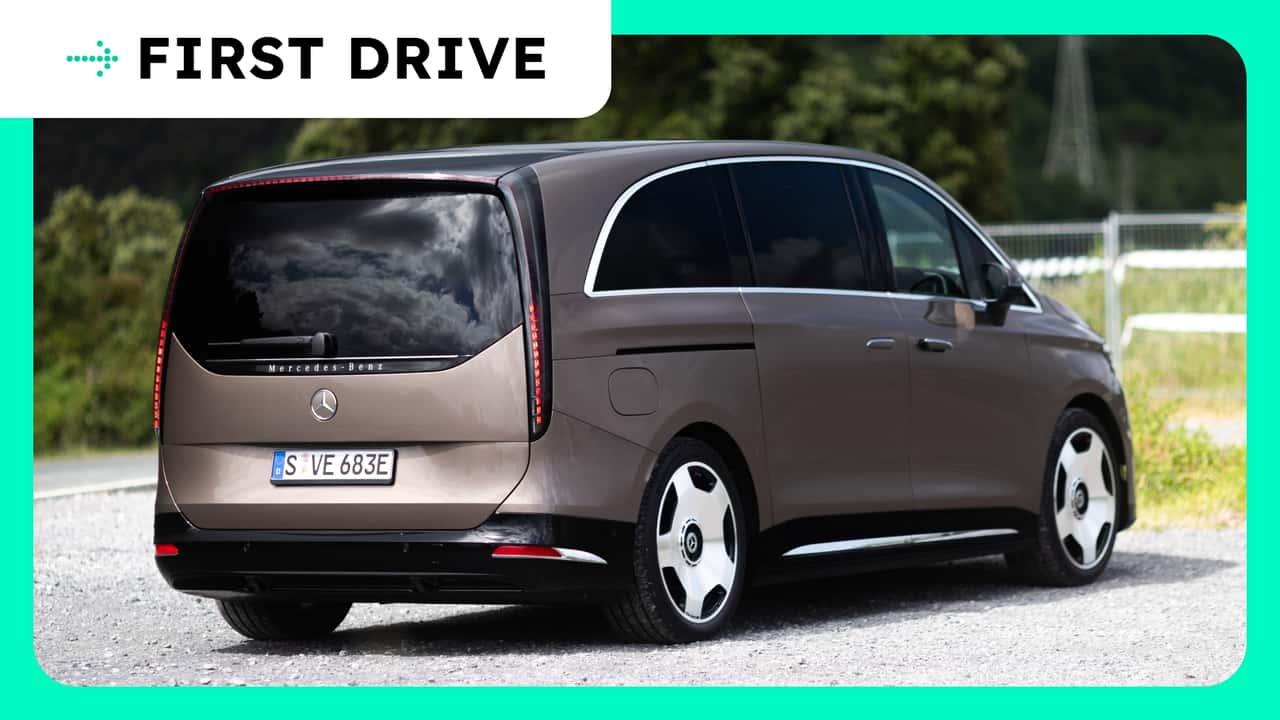
Mercedes-Benz enters uncharted territory with the VLE, an ultra-luxury electric van targeting affluent buyers who've historically avoided vans altogether. The German automaker bets that enough high-income Americans will pay premium prices for a vehicle that blends the practicality of a van with luxury appointments and zero-emission driving.
The VLE represents a deliberate strategy shift. Mercedes recognizes that vans carry social stigma in America, where they're associated with tradework, family hauling, and utilitarian function rather than aspiration. By positioning the VLE as a lifestyle vehicle with executive comfort, ambient lighting, premium leather, and cutting-edge infotainment, Mercedes aims to redefine what a van can be for wealthy consumers.
The pricing gamble cuts both ways. Mercedes will charge significantly more than conventional luxury SUVs or sedans for the VLE, betting that the combination of exclusivity, versatility, and electric credentials justifies the premium. That math works in niche markets like Europe, where vans already carry less stigma and EV adoption runs deeper. America presents a steeper challenge.
The real question isn't whether the VLE is well-executed. Mercedes' engineering always is. The question is whether American wealth will embrace van-ness at all, regardless of leather seats and ambient lighting. BMW and Audi haven't cracked this market with luxury vans because Americans fundamentally resist the form factor as a status symbol.
That said, market conditions favor the attempt. EV adoption accelerates. Wealthy buyers increasingly value flexibility and practicality alongside prestige. The rise of remote work reduces the need to project traditional corporate status symbols. Younger affluent consumers view vehicles differently than their predecessors.
Mercedes' VLE succeeds only if it attracts a customer who already wanted van practicality but felt trapped by brand perception. If those buyers exist