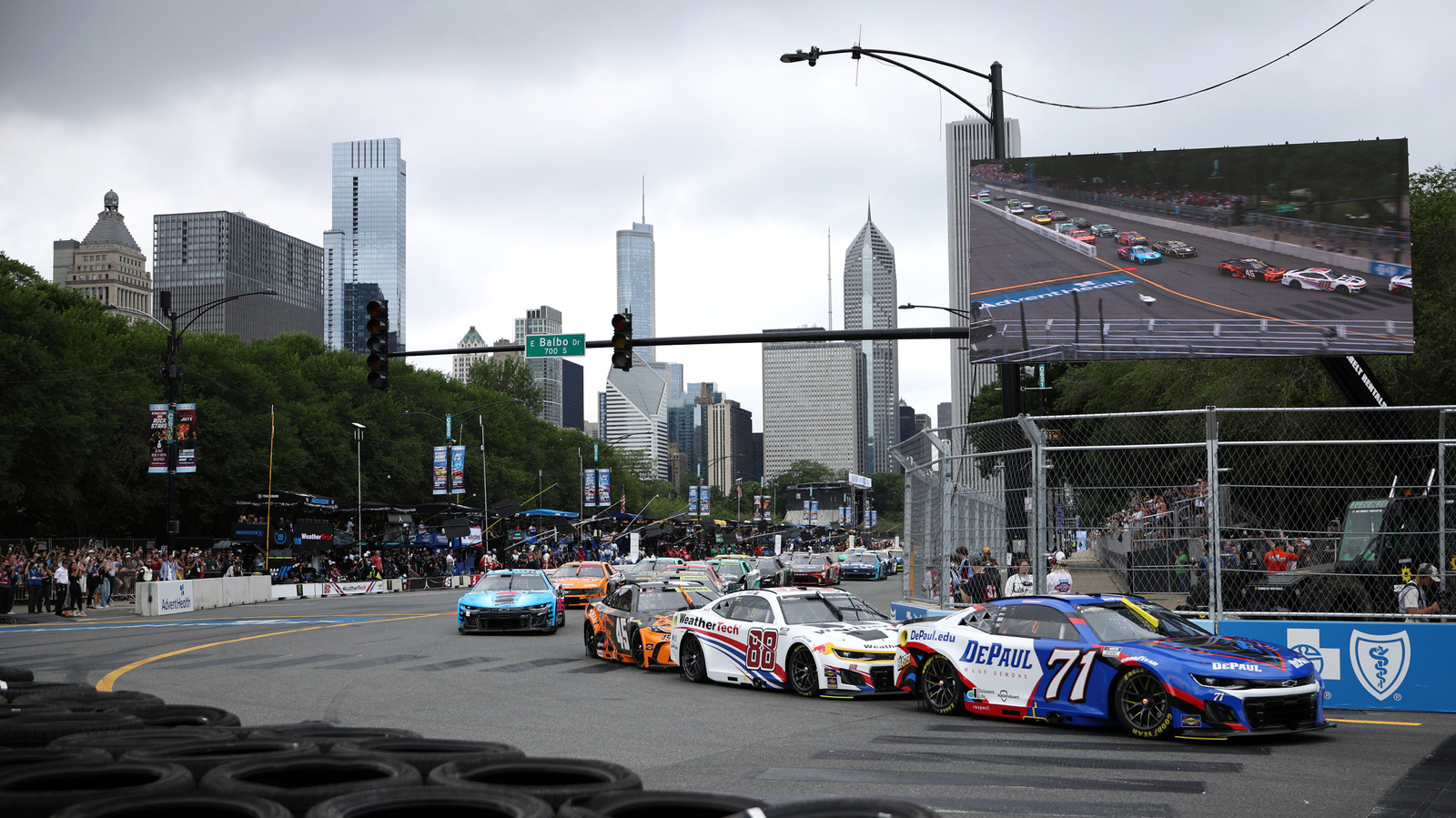
This piece captures a casual take on street racing fantasy locations, with the author nominating New York City as their ideal urban circuit. The comment reflects a broader automotive culture conversation about which real-world streets would make compelling racing venues if legal circuits didn't exist.
Street racing remains illegal across the United States, yet it generates persistent cultural appeal within the automotive enthusiast community. The fantasy element here taps into car culture's romantic notion of urban speed and skill, divorced from practical considerations like public safety, property damage, and legal consequences.
New York City presents an obvious choice for such daydreaming. The Manhattan street grid offers tight turns, varied elevation changes, and iconic geography that would challenge any driver. The density of buildings, pedestrians, and traffic infrastructure makes it simultaneously the worst actual location for any driving activity and the most cinematically compelling in the automotive imagination. Major films and video games have mined this exact appeal, from Grand Theft Auto's Liberty City to fast and Furious sequences shot on New York streets.
The Jalopnik readership represents the automotive enthusiast demographic most likely to engage with this kind of thought experiment. These drivers understand vehicle dynamics, street layout, and performance capabilities in ways casual motorists don't. The question invites them to apply that knowledge playfully.
Real street racing kills people. Fatal crashes involving illegal street racing doubled between 2020 and 2022 in several U.S. cities. Law enforcement and traffic safety organizations treat the activity as a serious public safety threat, not romantic fantasy material.
The gap between automotive passion and legal reality defines modern car culture. Enthusiasts channel racing impulses into track days, amateur motorsport events, and legal competition venues. These outlets exist precisely because street racing cannot coexist with public safety.