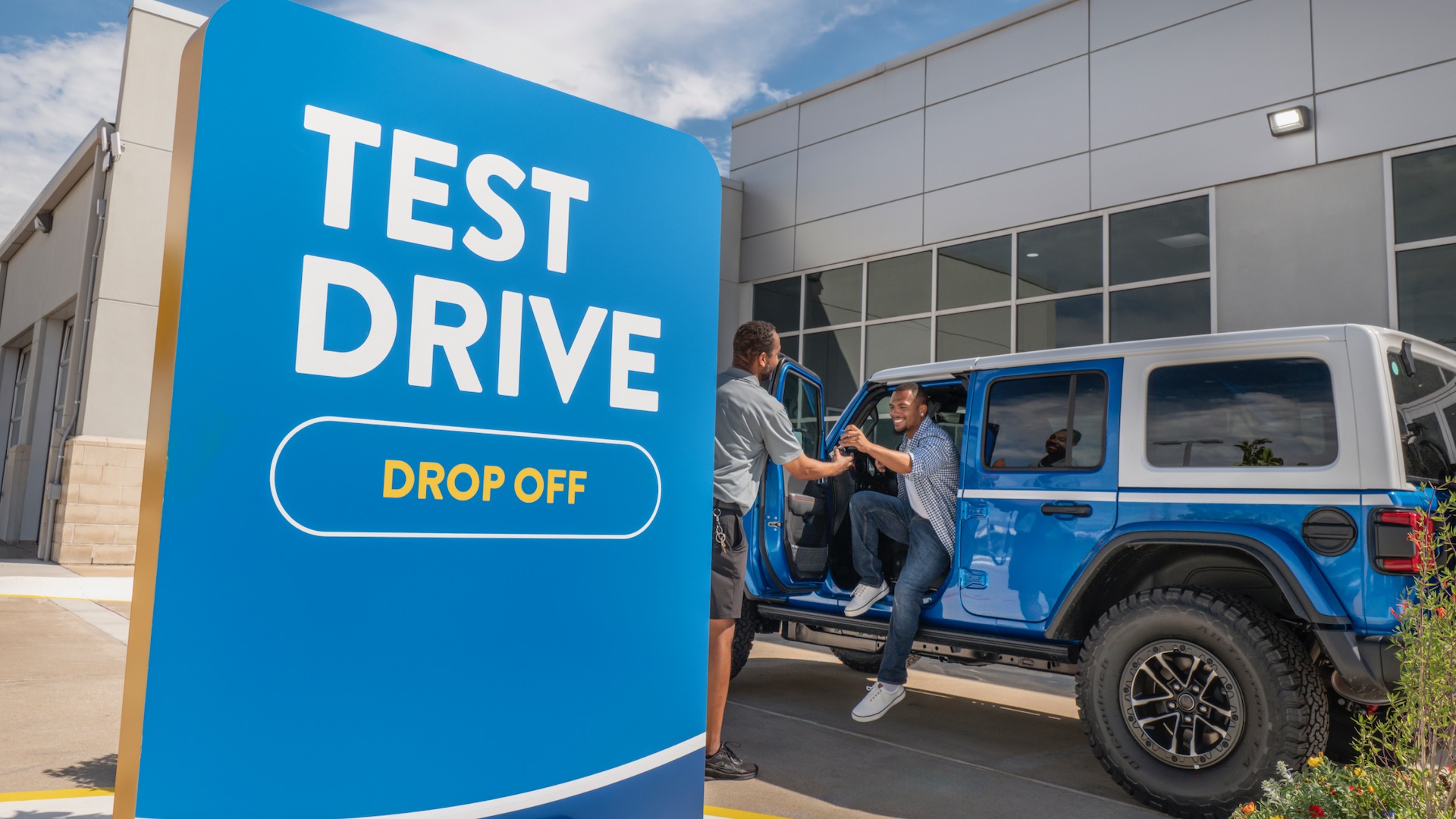
Carvana opened its first dedicated Test Drive Center at a Stellantis showroom, marking the online used-car retailer's push into hands-on vehicle evaluation. The center lets buyers test drive inventory before purchasing, addressing a key friction point that's historically plagued e-commerce automotive sales.
The move reflects how Carvana operates differently from traditional dealerships. There's no commissioned salesman working to upsell or pressure buyers through the experience. Instead, customers can take vehicles for a spin without the typical dealership sales tactics that often frustrate shoppers.
This hybrid approach sits between pure online sales and showroom retail. Carvana built its business on convenience, delivering cars to homes and handling paperwork digitally. Yet the company learned that many buyers still want to sit in the driver's seat before committing. Test drives matter especially for used vehicles, where condition and feel vary significantly by individual unit.
By partnering with Stellantis showrooms rather than building standalone locations, Carvana keeps costs manageable while accessing physical space. The arrangement taps Stellantis brands like Jeep, Ram, and Chrysler inventory alongside Carvana's own stock.
The test drive center concept directly addresses the industry's shift toward omnichannel retail. Competitors like Vroom and Shift already offer inspection and delivery services. Traditional dealers have long leveraged the test drive as a conversion tool, knowing that buyers who drive a car rarely walk away empty-handed.
Carvana's friction-free approach appeals to digitally native buyers who dislike dealership pressure. Removing the salesman variable reduces anxiety and lets customers focus purely on vehicle quality. This positioning matters as used-car prices remain elevated and buyers grow savvier about online purchasing.
The company's financial struggles make this move strategic. Expanding test drive availability without massive capital expenditure could boost conversion rates