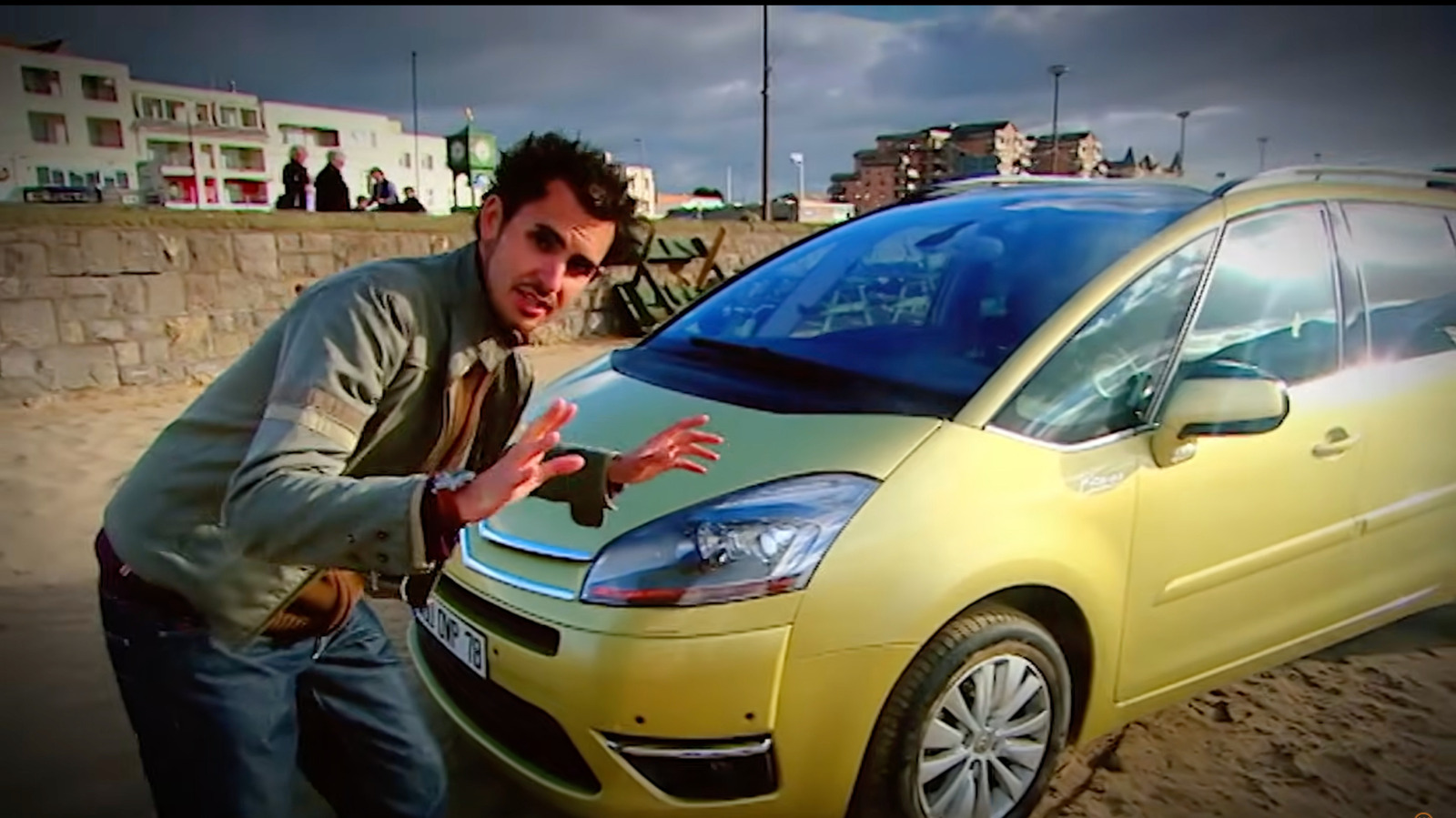
Fifth Gear, the legendary British motoring show, has released a full-length episode playlist on YouTube that mines the program's early 2000s archive. The collection resurrects the era when the series delivered unfiltered automotive journalism alongside period-appropriate fashion and cultural commentary.
The early Fifth Gear episodes capture a distinct moment in car culture. The 2000s represented a time before social media algorithms dictated content, before influencer culture reshaped automotive media, and before electric vehicles dominated industry conversation. Viewers encounter straightforward road tests, genuine presenter chemistry, and cars that reflect what enthusiasts actually drove during that decade. The show featured everything from hot hatchbacks and affordable sports cars to luxury sedans and quirky European oddities.
What makes this archival content compelling extends beyond just the cars. Fifth Gear's production style, editing pace, and presenter banter feel refreshingly direct compared to modern automotive content. The fashion, hairstyles, and graphics date the episodes immediately, but that nostalgia carries appeal for longtime viewers and younger audiences discovering the show for the first time.
The availability on YouTube matters. Fifth Gear episodes historically scattered across various streaming services and DVDs, making comprehensive viewing difficult. This centralized playlist removes friction for anyone wanting to binge the show's best work.
Fifth Gear aired from 2002 to 2016, running alongside BBC's Top Gear during peak automotive television. While Top Gear focused on entertainment spectacle, Fifth Gear positioned itself as the more technical, consumer-focused alternative. Presenters tested real-world vehicles, conducted genuine comparisons, and delivered practical advice for buyers.
For current car enthusiasts, the playlist offers perspective on how automotive journalism has evolved. The cars tested 20 years ago now occupy collector status or parts-bin obscurity. Engine sizes, fuel economy figures, and safety features reflect a pre-regulation era. Yet