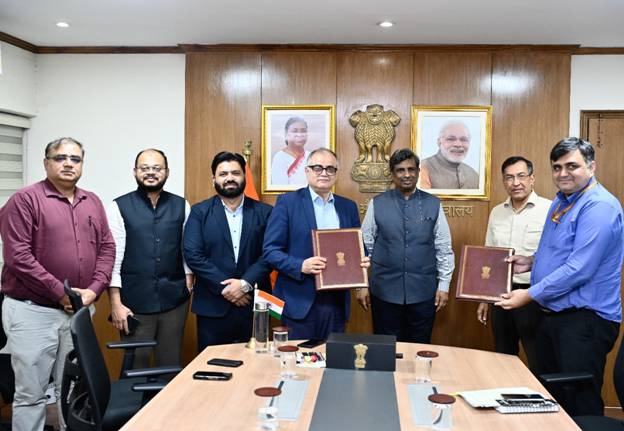
India's commercial vehicle sector moves toward fleet modernization with a new memorandum of understanding between Delhi authorities and Tata Motors. The agreement expands an existing truck replacement scheme designed to remove older, polluting vehicles from roads and accelerate adoption of cleaner commercial fleets.
Tata Motors commands roughly 50% of India's combined truck and bus market, making this partnership critical to the scheme's success. The company's participation signals manufacturer buy-in for what amounts to a massive fleet turnover initiative. With such dominant market concentration, Tata's cooperation essentially determines whether Delhi can achieve its environmental and urban air quality targets through vehicle replacement.
The scheme addresses India's heavy-duty vehicle pollution problem head-on. Older trucks and buses disproportionately contribute to Delhi's air quality crisis, particularly during winter months when smog regularly chokes the capital region. Rather than rely on regulation alone, India combines incentives with manufacturer partnerships to accelerate the business case for fleet operators to retire aging vehicles and purchase new models.
This approach mirrors successful scrapping programs in Europe, where manufacturer participation proved essential. Indian commercial vehicle operators face thin margins, making the financial incentive structure of replacement schemes vital. Tata's involvement brings real-world logistics expertise and ensures realistic timelines and delivery schedules.
The broader context matters too. India's commercial vehicle market is consolidating around a handful of players. Beyond Tata Motors, only a few other manufacturers hold significant market share in trucks and buses. These three companies collectively account for half the market, meaning coordinated action among them could transform the entire Indian commercial vehicle fleet within a decade. Without manufacturer cooperation, substituting old for new vehicles becomes logistically and financially impossible for individual operators.
Delhi's expansion of this scheme represents pragmatic environmental policy. Rather than antagonize the transportation industry through mandates alone, authorities are creating economic incentives for modernization. Tata Motors'