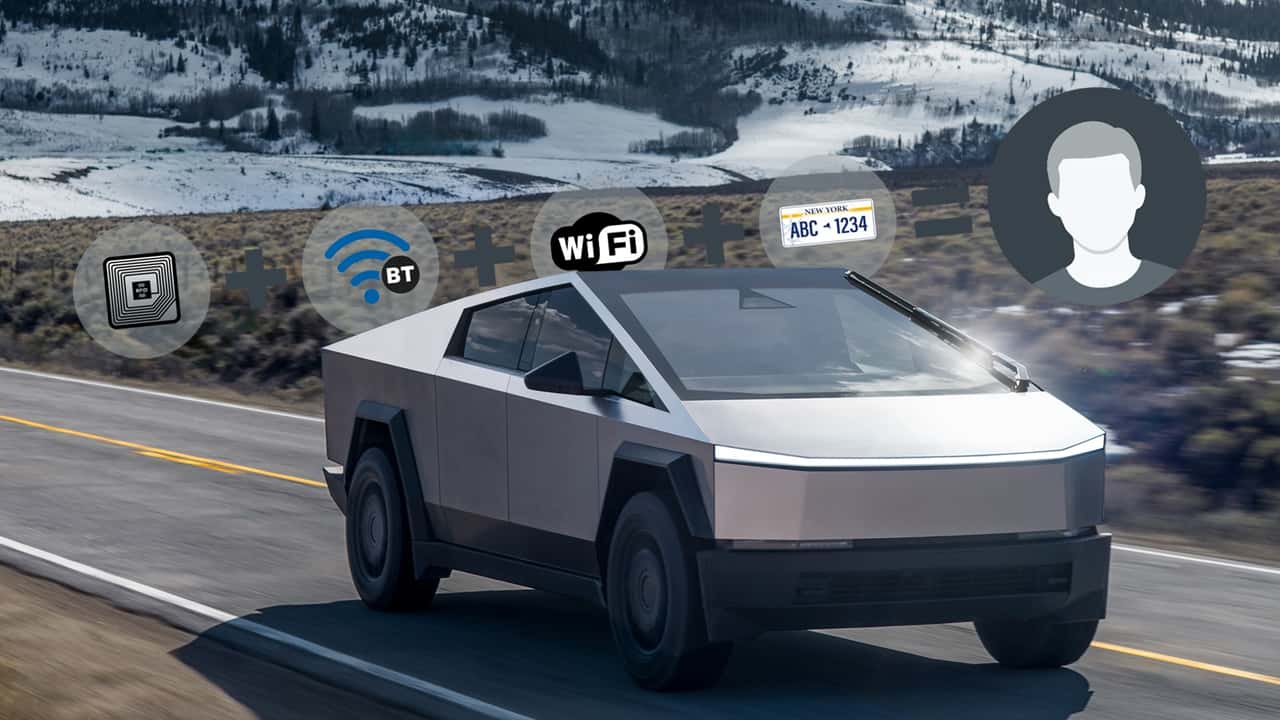
Automated license plate recognition (ALPR) technology is expanding far beyond vehicle identification. Next-generation systems now detect and track personal devices including AirPods, smartwatches, and other Bluetooth-enabled wearables linked to individual drivers.
This capability represents a significant shift in surveillance infrastructure. Traditional ALPR systems photographed license plates and cross-referenced them against databases for stolen vehicles, parking violations, and criminal investigations. The new systems create direct digital bridges between vehicles and their occupants by identifying personal electronics inside cars.
Law enforcement and traffic authorities argue the expanded tracking improves public safety and investigative capabilities. Matching a wearable device to a specific driver creates a more complete identity profile than a license plate alone. Investigators can now link multiple vehicles to the same person across different trips, even when plates change.
Privacy advocates warn the technology opens dangerous avenues for mass surveillance. Drivers have no notice when ALPR cameras scan their devices. The data collected extends beyond vehicle-related offenses to personal habits, relationships, and movements. Bluetooth signals broadcast from wearables contain unique identifiers that function as digital fingerprints.
Regulatory frameworks lag behind the technology's deployment. Most jurisdictions lack clear guidelines on data retention, access protocols, or citizen notification requirements. Police departments operate ALPR networks with minimal oversight. Fusion centers combine data from multiple agencies, creating massive databases searchable without warrants in many cases.
The technology appears in parking lots, traffic cameras, and mobile units. Approximately 70 percent of police departments in major U.S. cities now operate ALPR systems. Integration with next-gen wearable detection dramatically expands the surveillance net.
Manufacturers continue advancing sensor capabilities. Devices that detect AirPods, Fitbits, and smartwatches represent just the current generation. Future systems may identify specific phone models, tablet owners, and