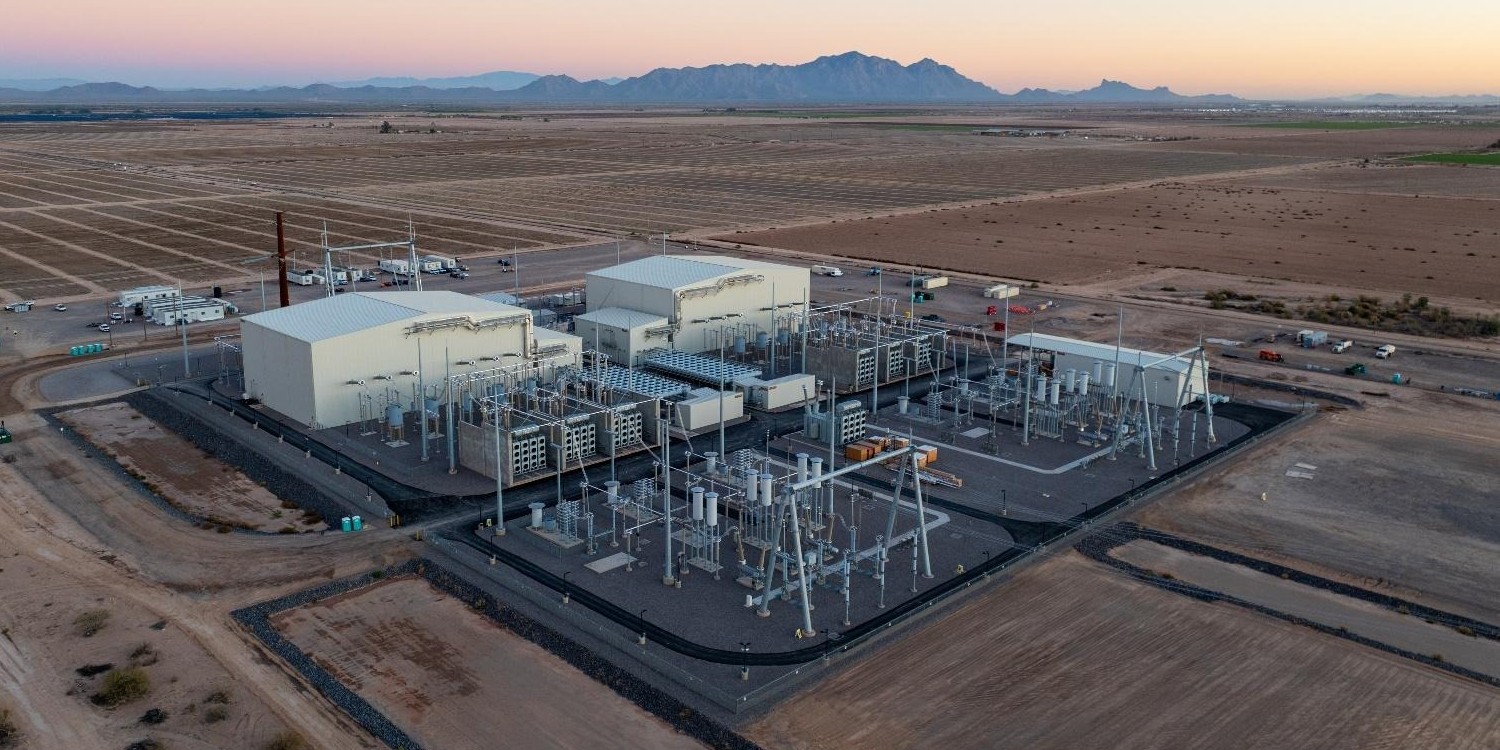
SunZia, an $11 billion transmission infrastructure project, has gone live as one of the largest clean energy ventures in US history. The project delivers enough wind power to supply approximately 1 million American homes with renewable electricity.
The undertaking represents a massive bet on grid modernization and renewable energy scaling. Developers built a single, giant power line to transport wind-generated electricity from generation sites to population centers where demand exists. This addresses a chronic constraint in the US energy system: renewable power often generates far from where people live, requiring robust transmission corridors to move that power efficiently across states.
The project's completion carries real significance for automotive electrification timelines. EV charging infrastructure depends on grid capacity and clean energy supply. As utilities struggle with transmission bottlenecks, widespread EV adoption stalls. SunZia removes one such bottleneck.
Automakers including Tesla, General Motors, Ford, and others have publicly committed to net-zero vehicle lineups by 2030 or 2035. Those timelines assume energy grids can source sufficient clean power to charge millions of additional vehicles. Projects like SunZia enable that math to work.
The $11 billion price tag reflects the scale and complexity of cross-state transmission infrastructure. Environmental reviews, land acquisition, regulatory approval, and construction across multiple jurisdictions consumed years. Yet SunZia delivers what market forces alone could not: a major transmission backbone for renewable energy.
Wind farms in windy regions like Texas and the Southwest generate vast power but face transmission constraints that cap deployment. SunZia unlocks that generation capacity by creating a dedicated, high-capacity pathway to demand centers. The line operates at higher voltages than traditional infrastructure, reducing transmission losses.
For the auto industry, grid projects like this remove a variable from EV scaling calculations. Automakers need confidence that charging networks can expand without hitting electrical capacity walls.