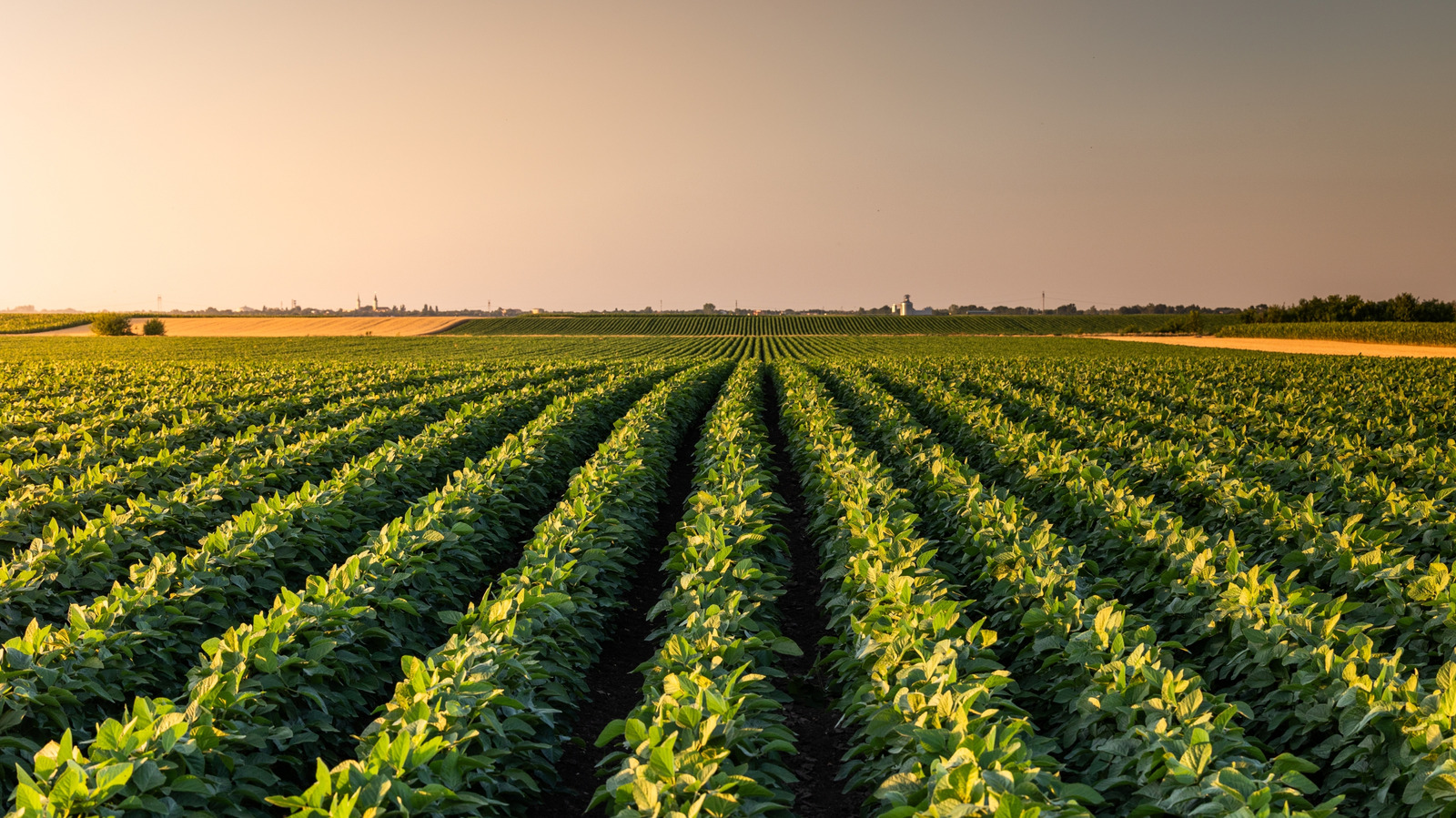
Marathon Petroleum, which operates one of the largest fuel retail networks in the US through its Marathon gas station brand, is investing heavily in soybean-based biodiesel production. The company sees clear financial logic in the shift toward renewable fuels.
Biodiesel made from soybean oil offers Marathon several advantages. The fuel burns cleaner than petroleum diesel, reducing emissions that regulators increasingly scrutinize. More importantly for the company's bottom line, biodiesel qualifies for federal tax credits and renewable fuel mandates that create consistent demand and pricing support. The Renewable Fuel Standard, which requires US refiners to blend increasing volumes of biofuels into their output, guarantees a market for biodiesel volumes.
For Marathon, controlling both production and retail distribution creates a vertical advantage. The company can manage margins at the pump while securing feedstock costs through soybean procurement. This positions Marathon to capture value across the supply chain rather than competing solely on wholesale biodiesel prices.
The move reflects broader industry repositioning. Refiners face pressure to reduce carbon intensity as states implement low-carbon fuel standards and fleet operators seek verifiable emission reductions. Biodiesel addresses this demand without requiring the massive infrastructure overhaul that battery-electric vehicles demand. Diesel vehicles still dominate heavy-duty trucking, commercial fleets, and agricultural equipment, ensuring sustained demand for cleaner diesel alternatives.
Competitors including Valero and Phillips 66 operate renewable fuel facilities, but Marathon's scale and retail footprint give it distribution muscle. The company can market soybean-based biodiesel directly to fleet customers and retail consumers, differentiating its brand while locking in government incentives.
Soybean biodiesel remains contentious. Environmental groups question whether crop-based biofuels truly reduce emissions when accounting for land use change and agricultural inputs. However, from Marathon's perspective,