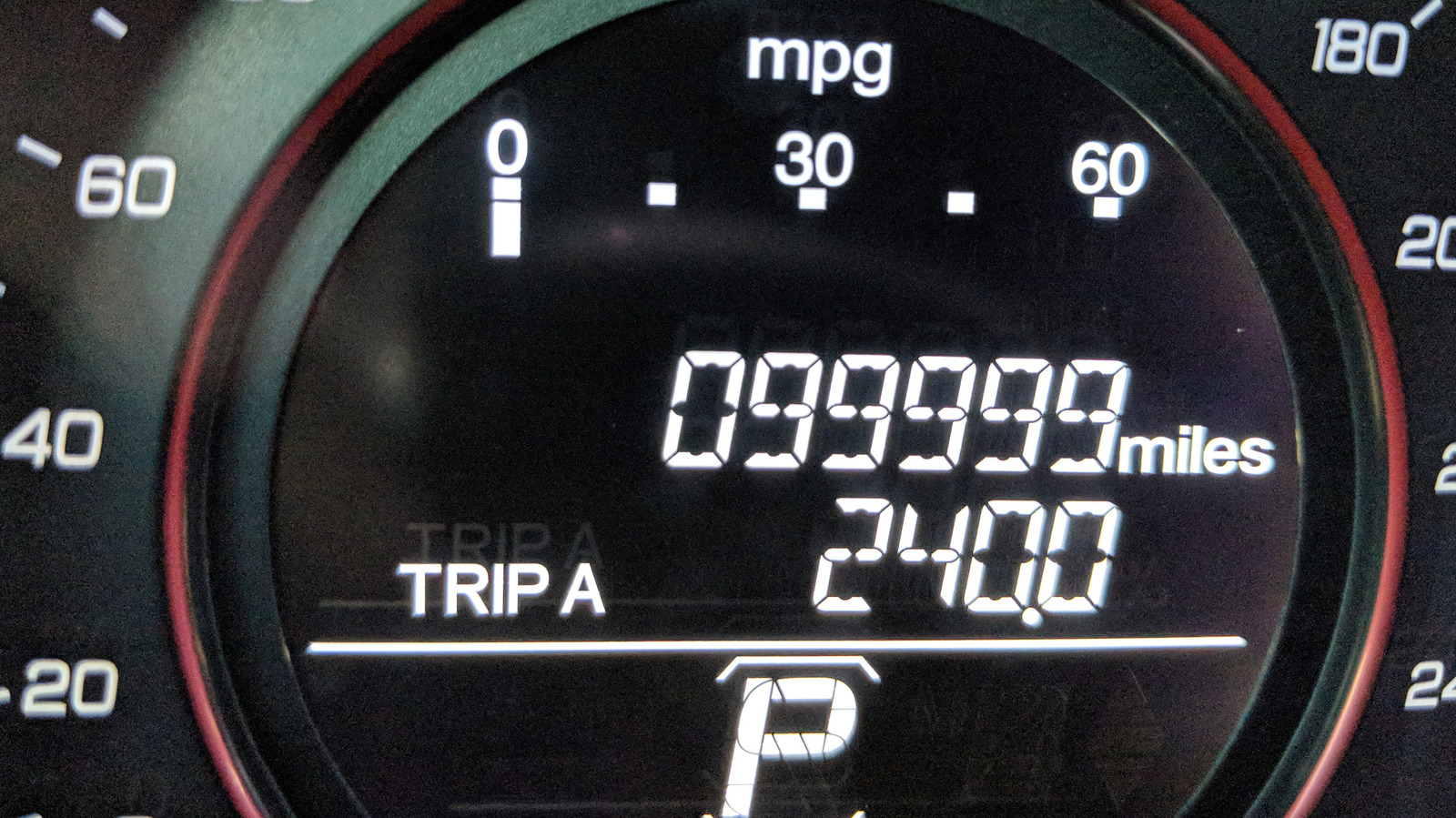
Seven critical components typically reach end-of-life around 100,000 miles, and neglecting them transforms cheap maintenance into expensive repairs. Most modern vehicles run reliably past this milestone, but several systems show cumulative wear that owners must address proactively.
Transmission fluid tops the list. Many manufacturers now claim "lifetime" fluid, but real-world testing reveals breakdown occurring between 80,000 and 120,000 miles. Delayed changes can cost $4,000 to $10,000 in transmission repairs. Coolant degrades over time and loses corrosion inhibitors, risking engine block damage. Brake fluid absorbs moisture from air, reducing boiling point and compromising stopping power in emergency situations. These three fluids represent the highest financial risk if ignored.
Engine air filters accumulate more than just dust. Clogged filters force engines to run rich, increasing fuel consumption and depositing carbon on valves. Cabin air filters trap allergens and reduce HVAC efficiency. Spark plugs on many modern engines last 100,000 miles. OEM plugs still function at this interval but show measurable erosion on electrode surfaces, reducing ignition performance. Suspension components including bushings, control arm joints, and tie rod ends wear from constant flexing and road salt exposure. Worn suspension doesn't fail catastrophically but creates loose steering and uneven tire wear, compounding into additional repairs.
Battery capacity degrades predictably. Most automotive batteries deliver 50 percent of original cranking amps by 100,000 miles in moderate climates. Cold-weather regions see faster decline. Catching a weak battery before complete failure prevents being stranded.
The common thread across these 100,000-mile service items involves invisible degradation. Owners can't see transmission fluid breaking down or battery plates corroding. Engine spark plugs remain buried inside