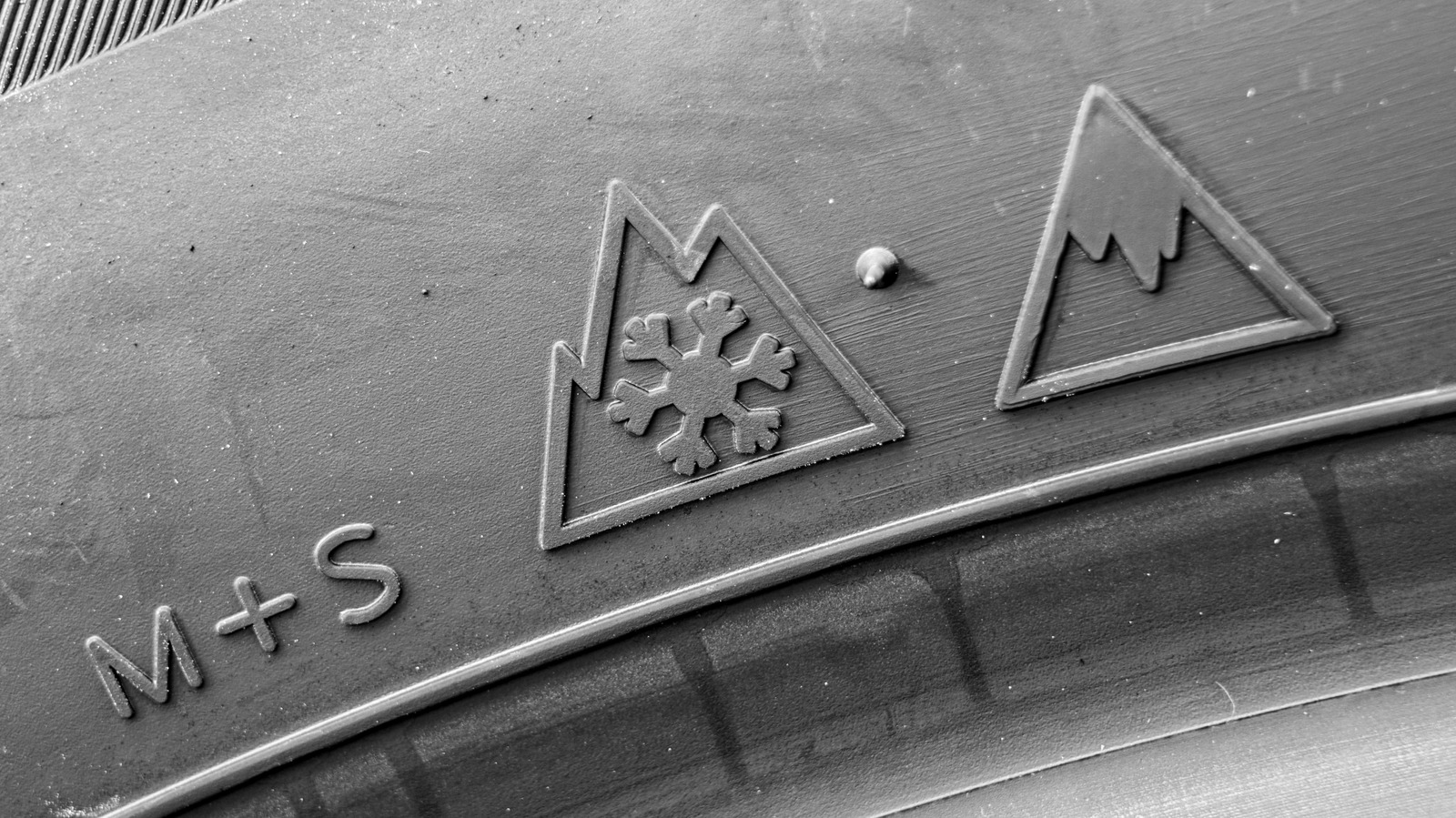
The three-peak mountain symbol on a tire's sidewall designates that tire as meeting severe winter performance standards. The emblem indicates the tire has passed rigorous testing protocols set by the Rubber Manufacturers Association to handle snow and ice conditions safely.
Tires earn this certification through demanding laboratory and real-world evaluations. Manufacturers test traction on ice, snow traction, and braking performance at controlled temperatures. A tire must outperform a baseline winter tire by at least 10 percent across these metrics to qualify. The testing reproduces conditions drivers actually encounter in mountain passes and northern climates during winter months.
The symbol matters because all-season tires don't cut it in heavy snow. All-season compounds harden in cold, reducing grip. Winter tires use rubber formulations that stay pliable below 45 degrees Fahrenheit, maintaining contact with ice and snow. The mountain symbol confirms a tire meets that threshold.
This isn't marketing fluff. The three-peak rating carries legal weight in some jurisdictions. Certain Canadian provinces and U.S. mountain pass roads require vehicles to carry winter tires or all-season tires with the mountain symbol during winter months. Some insurance policies offer discounts when drivers use certified winter tires, recognizing the safety benefit.
The symbol competes with the older M+S designation (mud and snow), which had looser standards and no mandatory performance thresholds. Many European countries now require the mountain symbol over M+S for winter conditions. Manufacturers responded by reformulating tires to meet the stricter mountain standard.
Winter driving accounts for a disproportionate share of accidents despite lower traffic volumes. Better winter traction directly reduces collision rates and saves lives. The mountain symbol gives consumers a straightforward way to identify tires proven to handle winter without guessing whether an all-season option cuts the mustard.
If you live in