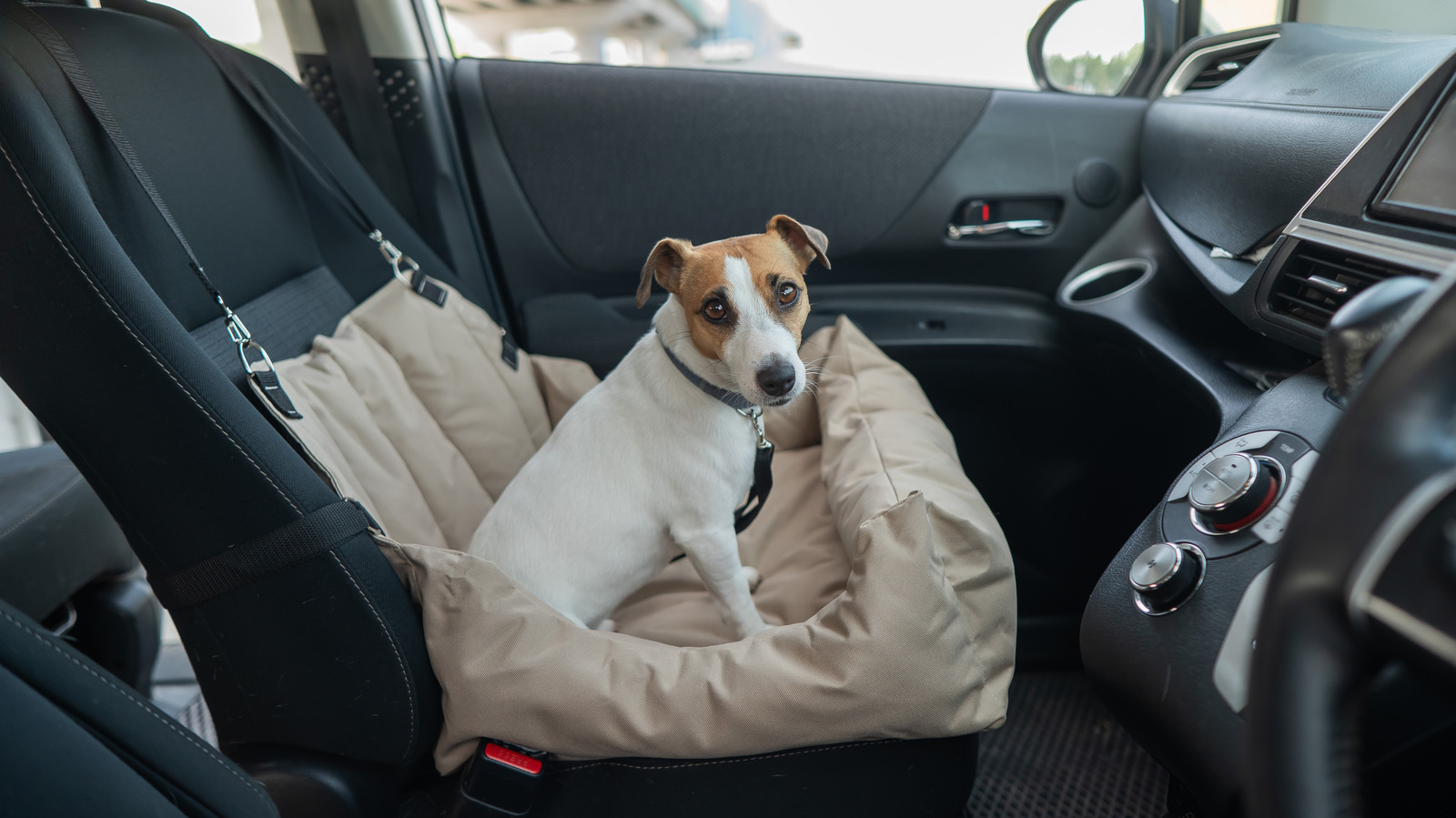
# What's The Best Car For Your Dog?
Pet owners face real constraints when choosing vehicles. Dogs need climate control, cargo space, and safety features that standard car reviews often ignore.
Climate control tops the list. Dogs cannot regulate body temperature like humans do. Vehicles with dual-zone or rear-seat climate control let owners keep passengers cool or warm independently. Newer systems with pet modes, found on some luxury brands, maintain cabin temperature even when the engine is off. This prevents dangerous heat buildup during shopping trips.
Cargo space matters enormously. Dogs require room for crates, beds, toys, and food supplies. SUVs and crossovers dominate here. The Ford Escape offers 37.5 cubic feet behind the rear seats. The Subaru Outback provides 76.5 cubic feet with seats folded. Wagon-style vehicles like the Volkswagen Jetta GLI actually match crossovers on usable space while delivering better fuel economy.
Flooring deserves attention. Rubber or plastic cargo liners beat cloth upholstery. Dogs shed, track mud, and occasionally have accidents. Vehicles with protective trim and stain-resistant surfaces cost less to maintain. Many manufacturers now offer waterproof cargo covers as options.
Ventilation and air filtration prevent odor accumulation. HEPA filters capture pet dander and allergens. Rear window vents improve airflow during mild weather without leaving dogs unattended with open windows.
Safety features protect pets during collisions. Rear-seat airbags and crash detection systems give owners peace of mind. Some vehicles offer tether points specifically designed for pet carriers.
The best dog car balances these needs with your actual driving requirements. A single person taking a small dog on daily commutes needs different features than a family with two large dogs planning weekend trips. Honda CR-V owners