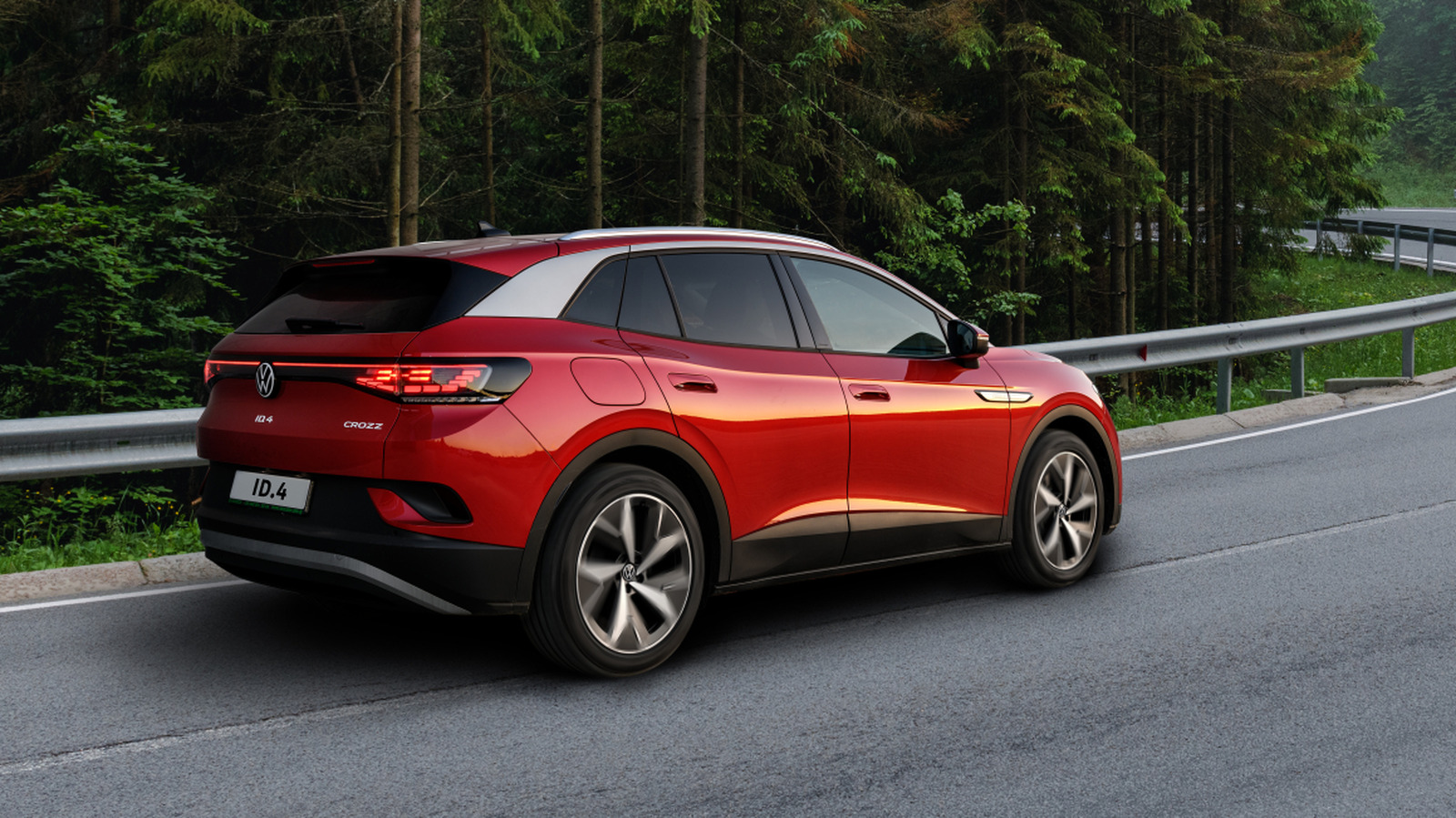
Electric vehicles bought in 2021 have experienced wildly different depreciation trajectories, with some models shedding value far faster than others as the EV market matured rapidly over five years.
The 2021 model year represents a critical snapshot in EV history. It arrived before the 2022 federal tax credit expansion and before battery prices stabilized somewhat. Buyers who purchased 2021 EVs at peak prices now face steep losses compared to newer, more capable competitors.
Certain models have depreciated more severely than others. Entry-level EVs with smaller battery packs, limited range, and older infotainment systems have taken the hardest hits. The Nissan Leaf, once America's bestselling EV, commands significantly lower used prices today despite its reliability reputation. Models with proprietary charging standards or outdated software platforms face additional headwinds.
Meanwhile, Tesla vehicles from the same year have held value better, partly due to stronger brand loyalty and the company's dominance in the used EV market. The Model 3 and Model Y remain in high demand secondhand, supporting residual values.
Several factors explain the divergence. Battery technology improved dramatically between 2021 and 2026. Range improvements, faster charging speeds, and better thermal management in newer EVs made 2021 models feel dated quickly. Rising EV inventory also increased competition in the used market, pressuring older inventory.
Luxury EVs like early Audi e-traks and BMW i4s also depreciated heavily, losing prestige as competition intensified from established luxury manufacturers entering the space with more refined offerings.
For buyers, 2021 EVs now represent genuine bargains if you're willing to accept older technology and potential battery degradation. Used 2021 EV prices have reached levels where the total cost of ownership often beats comparable gas cars when electricity costs