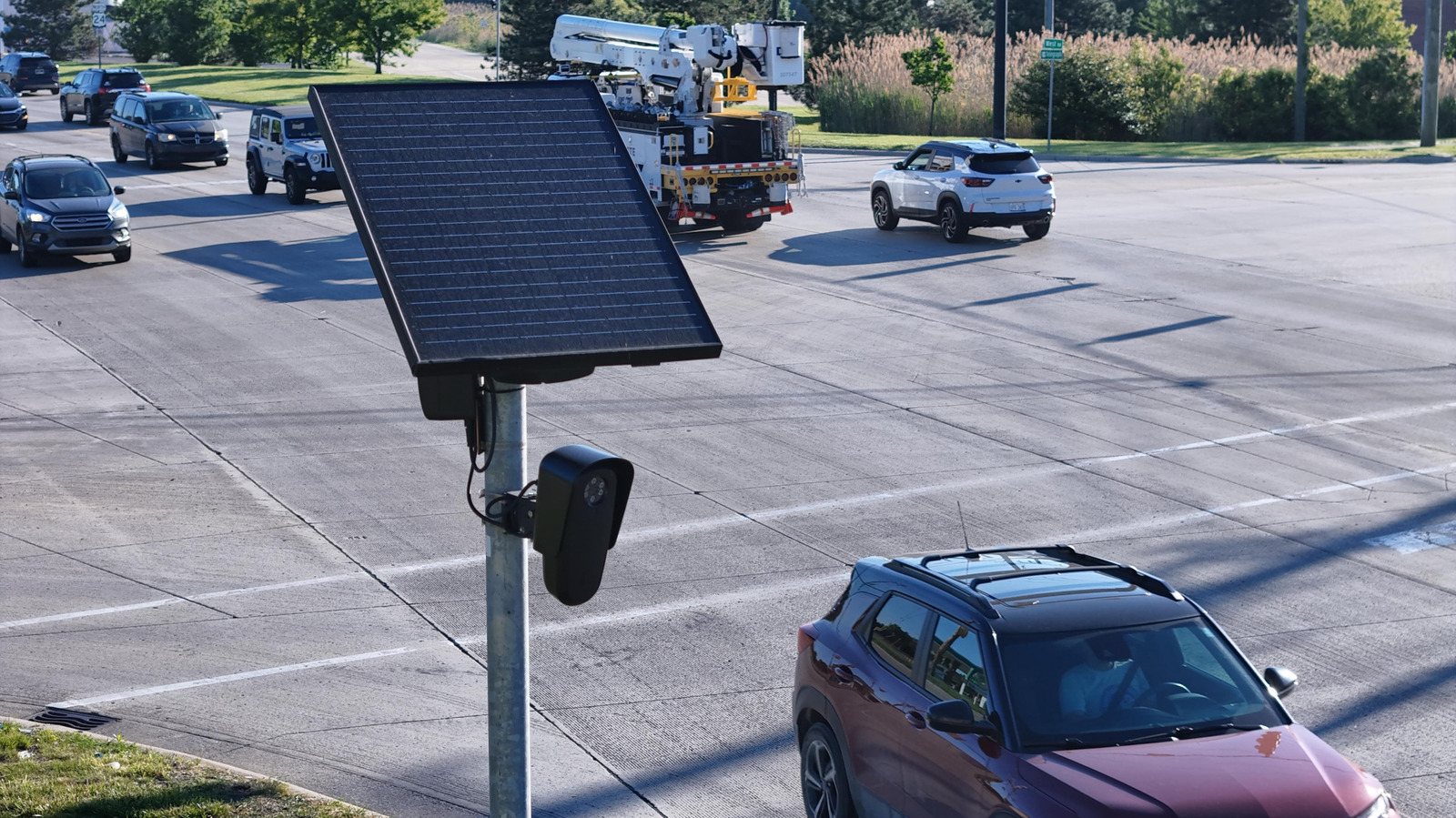
DeFlock, an open-source project, is building a searchable database of Flock Safety camera locations across the United States. The effort responds to growing concerns about mass surveillance infrastructure deployed without consistent public oversight.
Flock Safety operates over 700,000 cameras nationwide, primarily in parking lots, neighborhoods, and commercial areas. These devices capture license plate data and vehicle details. Police departments access this information through partnerships with Flock, which has become one of the largest private surveillance networks in America.
DeFlock's crowdsourced mapping allows citizens to identify camera locations in their communities. The project tracks where these cameras operate, creating transparency around surveillance infrastructure that many residents never knew existed. Contributors submit camera sightings, building a public record of this expanding network.
Privacy advocates argue the scale of plate-reading surveillance outpaces legal frameworks governing its use. Flock cameras feed into a system where law enforcement can search historical vehicle movements across entire regions, raising questions about warrantless tracking and data retention. DeFlock supporters contend citizens deserve to know where they're being monitored.
Flock defends its technology as a crime-fighting tool. The company claims its cameras help solve car thefts, identify suspects, and locate missing persons. Police partnerships generate substantial revenue for Flock while providing departments affordable surveillance compared to municipal camera networks.
The tension reflects broader U.S. debates over public safety versus privacy rights. Cities like San Francisco and Oakland have restricted police use of surveillance technology, but adoption accelerates elsewhere. DeFlock emerges as a counter-surveillance strategy, using transparency as a check on expanding monitoring capabilities.
The open-source approach differs from corporate or government-controlled solutions. By publicly documenting camera networks, DeFlock creates accountability pressure on both Flock and law enforcement agencies. Whether such crowdsourced efforts effectively constrain surveillance expansion remains uncertain, but they represent organized