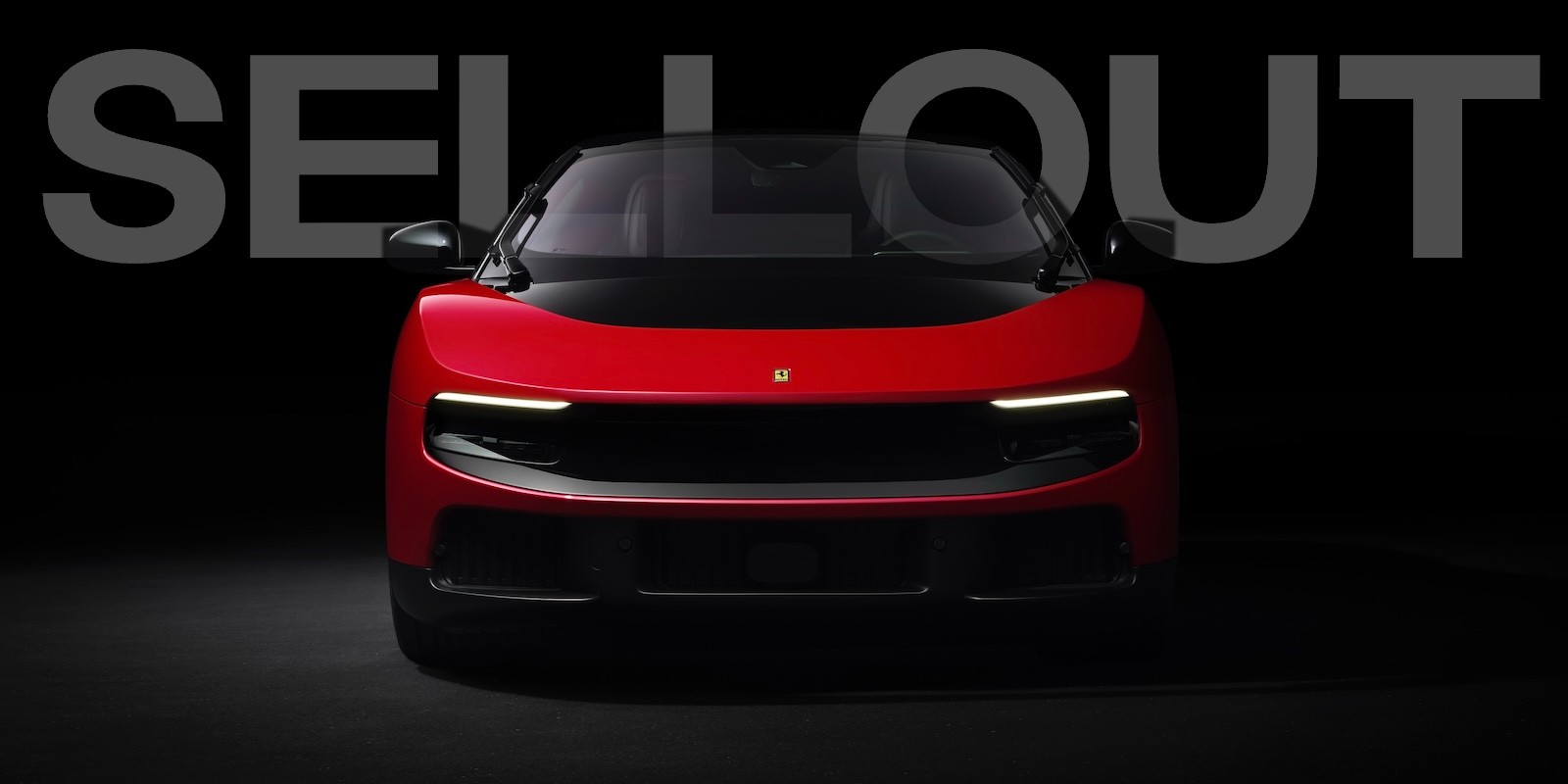
Ferrari's first all-electric sedan, the Luce, has sold out its entire Chinese allocation in record time despite significant backlash from purists who view an EV sedan as fundamentally at odds with the brand's identity.
The Luce represents a watershed moment for the storied Italian marque. Ferrari built its reputation on gasoline-powered sports cars and exclusivity. An electric four-door sedan challenges both foundations. Traditionalists argue the move dilutes Ferrari's brand essence, questions the company's commitment to the combustion engine, and targets mass-market consumers rather than collector enthusiasts.
None of that mattered to Chinese buyers. Every vehicle allocated to China sold before the model became widely available. This instant sell-through underscores a brutal reality reshaping the luxury automotive landscape. Chinese consumers don't care about Ferrari's historical baggage. They want electric vehicles. They want sedans. They want the prestige of owning a Ferrari without compromise.
The Luce's success in China reflects broader market dynamics. China dominates global EV adoption and leads luxury EV sales. Wealthy Chinese buyers embrace electrification without the emotional attachment Western markets carry toward internal combustion. For Ferrari, China represents growth opportunity that overshadows heritage concerns.
The controversy proves immaterial to sales velocity. Traditional Ferrari customers may resist electrification, but that population is finite and aging. The Luce chases a vastly larger demographic. An electric Ferrari sedan appealing to China's burgeoning EV-first luxury market makes business sense, regardless of what collectors grumble.
This calculus reflects Ferrari's existential choice. Defend heritage and shrink, or embrace electrification and grow. The Luce's Chinese sellout suggests Ferrari chose growth. Whether the brand can reconcile high-performance EV engineering with Ferrari's DNA remains unsettled. But the Chinese market already rendered its