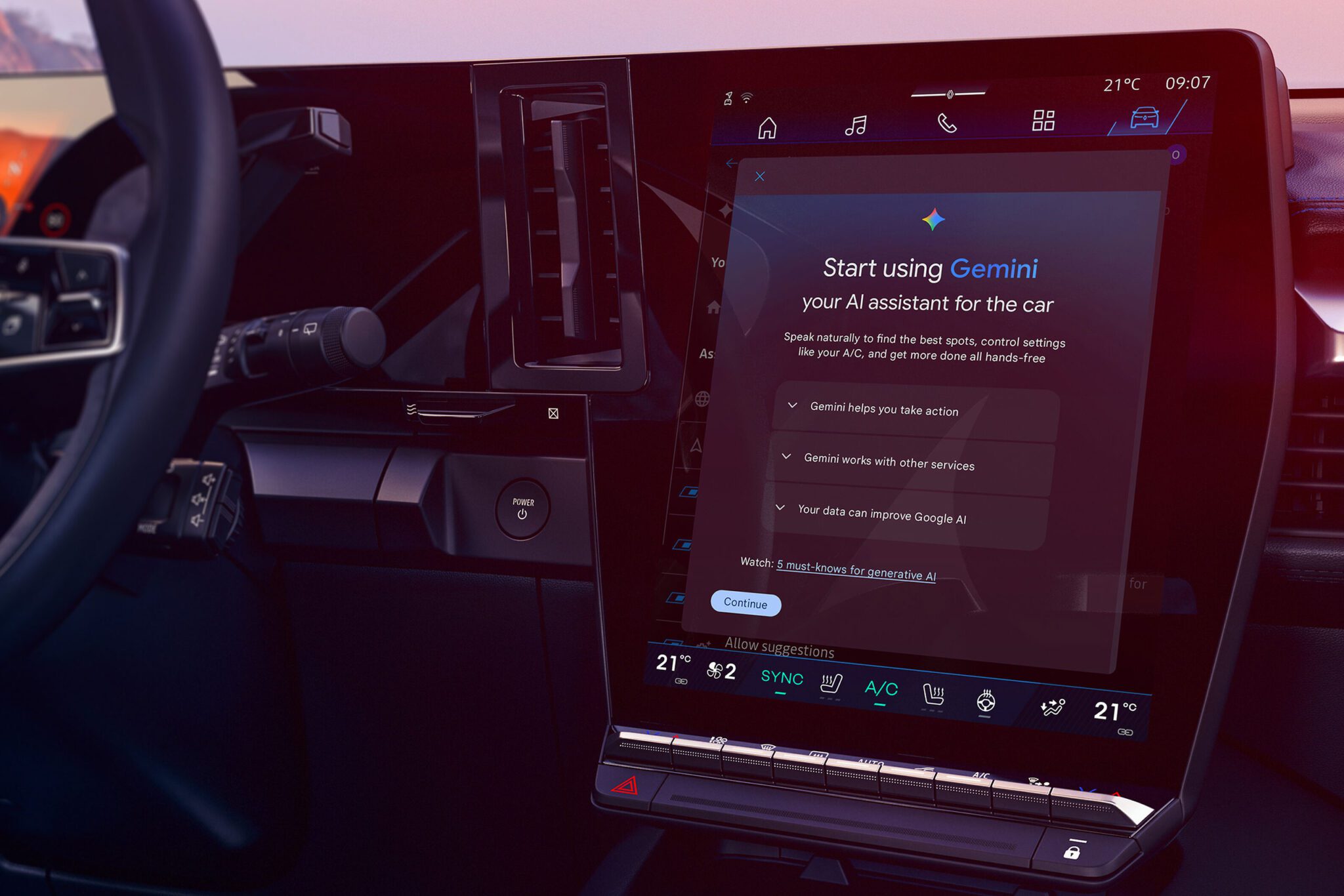
Renault has begun deploying Google's Gemini AI assistant across its existing vehicle fleet via over-the-air updates, transforming its infotainment systems into a differentiated competitive asset. The rollout marks a significant shift in how automakers leverage AI to enhance customer experience without requiring hardware changes or new vehicle purchases.
Gemini integration gives Renault owners access to advanced conversational AI capabilities directly in their vehicles. This includes natural language voice commands, intelligent assistance, and contextual responses that go beyond traditional voice recognition systems. By pushing the technology to existing cars, Renault avoids the typical constraint that forces OEMs to wait for new model cycles to introduce major software features.
The strategic move addresses a critical automotive trend. Tesla has long dominated the perception battle by delivering over-the-air capabilities that improve cars after purchase. Traditional automakers lag in this space, creating a perception of stagnation. Renault's Gemini deployment closes that gap, allowing the brand to continuously evolve customer touchpoints without dealer involvement.
For Google, the partnership expands Gemini's real-world presence beyond phones and Chromebooks into a new category of connected devices. Automotive represents massive scale. Renault's global fleet contains millions of vehicles, creating enormous distribution for Google's AI technology.
The broader competitive context matters here. Automakers increasingly partner with big tech companies rather than building proprietary AI platforms. BMW uses Microsoft's technology. Mercedes integrates ChatGPT. Renault's choice of Google reflects the reality that developing enterprise-grade AI infrastructure internally drains resources and rarely matches the capability of established players.
For drivers, the practical benefits range from voice-controlled navigation and climate adjustments to contextual information retrieval and in-car entertainment control. Gemini understands nuanced requests better than traditional voice systems, reducing frustration when commands lack perfect phrasing.