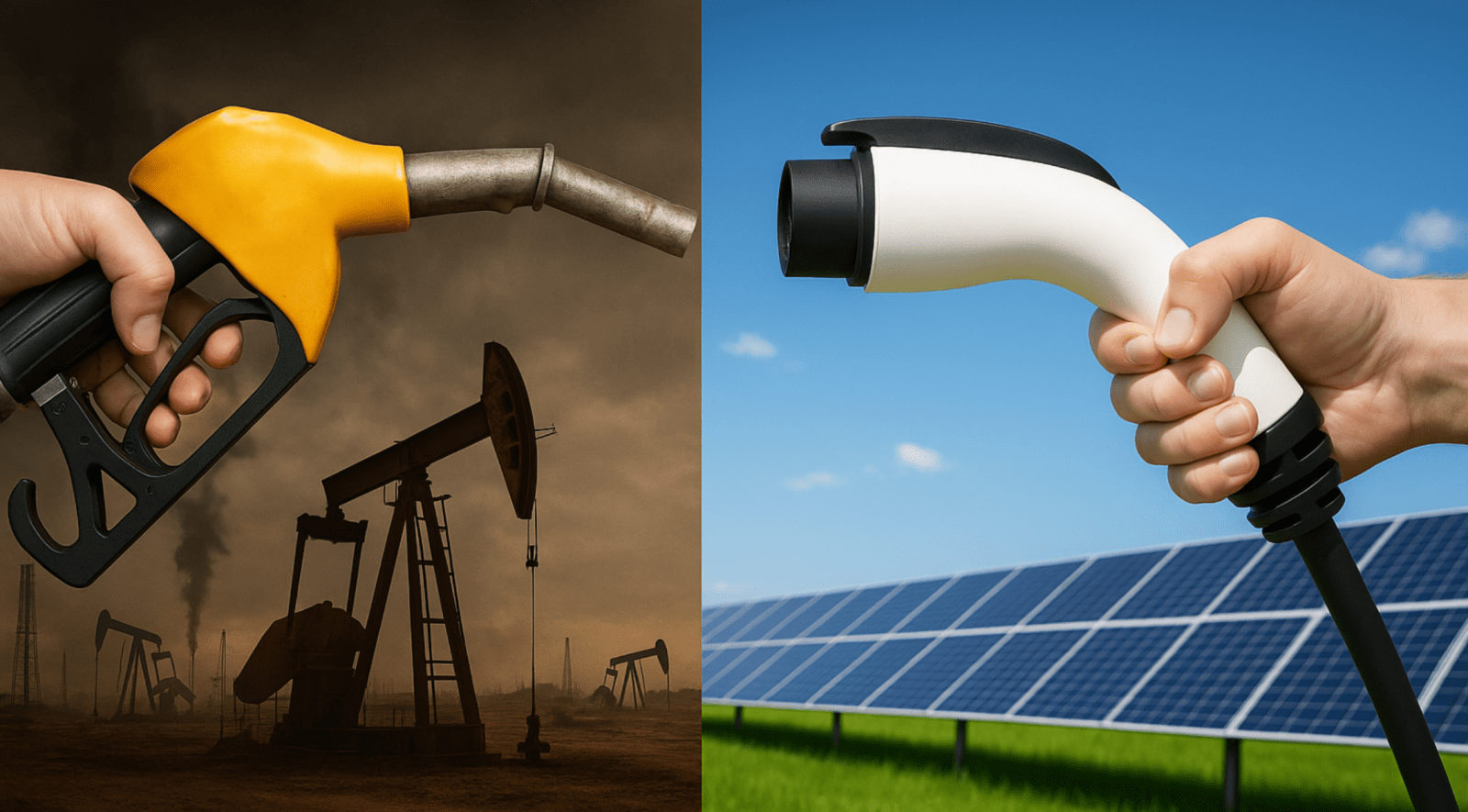
A new study from the International Council on Clean Transportation projects that accelerated electric vehicle adoption could prevent 8.8 million premature deaths globally by 2050. The research ties those lives directly to air pollution reduction from replacing combustion engines with battery-electric powertrains.
The ICCT, the organization that exposed Volkswagen's Dieselgate emissions cheating, examined health outcomes across multiple scenarios. Faster EV transition paths dramatically cut particulate matter and nitrogen oxides that cause respiratory and cardiovascular disease. The poorest regions and densest urban centers face the worst pollution burdens today, meaning electrification delivers outsized health gains where populations are most vulnerable.
The study carries clear implications for policymakers and automakers. Every year of delay in EV infrastructure rollout, battery cost reduction, and combustion engine phase-outs translates to hundreds of thousands of preventable deaths. The math is brutal. Diesel and gasoline engines kill through emissions nobody chooses to inhale but has no choice but to breathe.
Current EV adoption trajectories remain too slow. Battery costs have fallen sharply since 2015, but global light-duty vehicle sales still run 90 percent gasoline and diesel. China leads EV penetration at roughly 40 percent of new vehicle sales, while Europe sits around 25 percent and North America trails closer to 15 percent. Those numbers demand acceleration.
The ICCT findings challenge any entity that lobbies against emission standards, fuel economy rules, or EV purchase incentives. Oil refineries, fuel retailers, and legacy automakers dragging feet on electrification directly influence health policy outcomes. The study quantifies what environmental justice advocates have long argued: pollution is a choice imposed on the poor by economic systems optimized for fossil fuel convenience.
Automakers like Volkswagen, Ford, and General Motors have committed to EV transitions