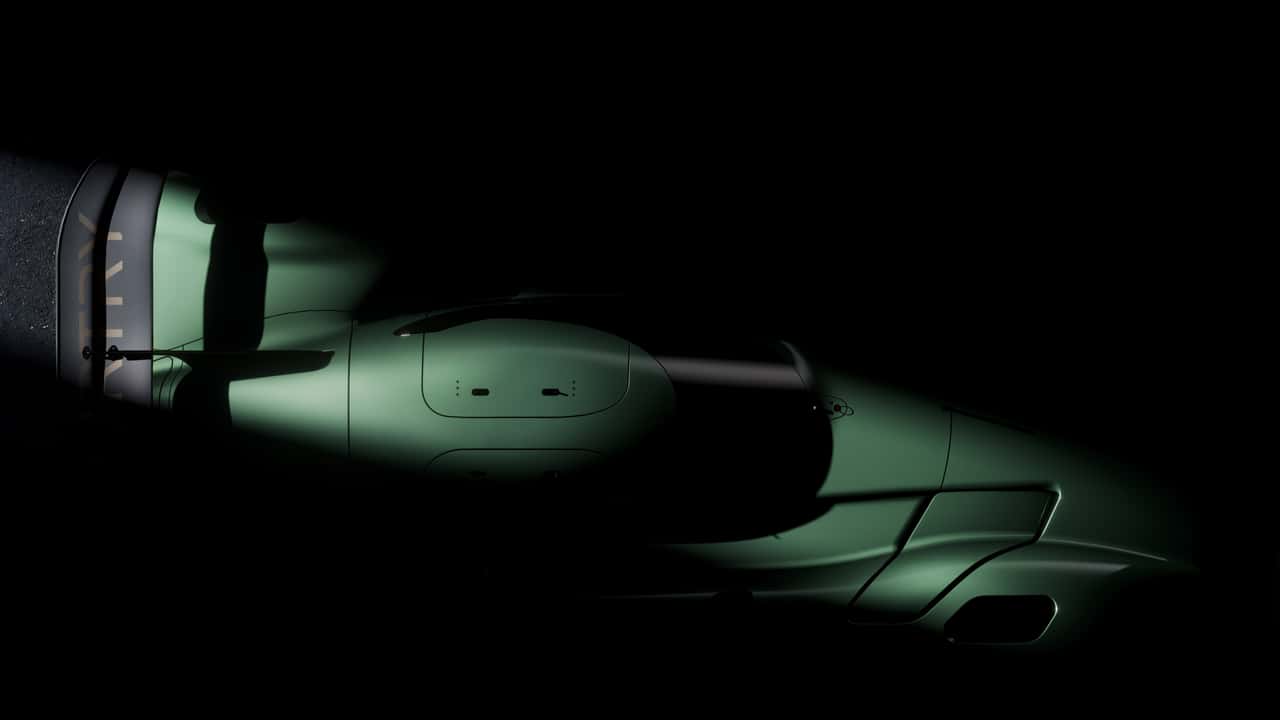
McMurtry Automotive's production Speirling will bear little resemblance to the prototypes the British EV startup has displayed publicly. The company confirmed that the final series model incorporates 95% new components compared to its concept and prototype iterations.
This represents a fundamental redesign rather than minor refinement. McMurtry showed incremental updates across multiple prototype generations, but the production vehicle represents a complete engineering overhaul. The company kept details sparse about which systems received the most extensive rework, though this level of component replacement typically affects the powertrain, chassis, aerodynamics, and interior architecture.
The Speirling targets the high-performance EV segment, competing with vehicles like the Lotus Eletre and upcoming electrified sports models. McMurtry's approach of dramatically revising the design from prototype to production suggests the company identified significant efficiency gains, cost reduction opportunities, or performance improvements during development that justified a ground-up rebuild.
This strategy carries both risk and benefit. Extensive redesigns can delay timelines and inflate development costs, but they also allow manufacturers to optimize manufacturing processes, improve reliability, and meet regulatory requirements that prototypes don't always satisfy. The move indicates McMurtry took feedback seriously, whether from engineering validation, crash testing, or real-world prototype testing.
For buyers, the 95% new components claim raises questions about actual mechanical differences versus marketing language. Real-world changes might center on battery architecture, motor efficiency, chassis stiffness, or thermal management rather than wholesale replacement of every bolt. Production cars universally differ from prototypes, but McMurtry's statement suggests more substantial changes than typical evolution.
The company hasn't announced when the production Speirling will reach customers or how pricing will compare to prototype estimates. This redesign likely pushed back the delivery timeline, a common pattern for EV startups entering mass production. Whether the new design justifies the