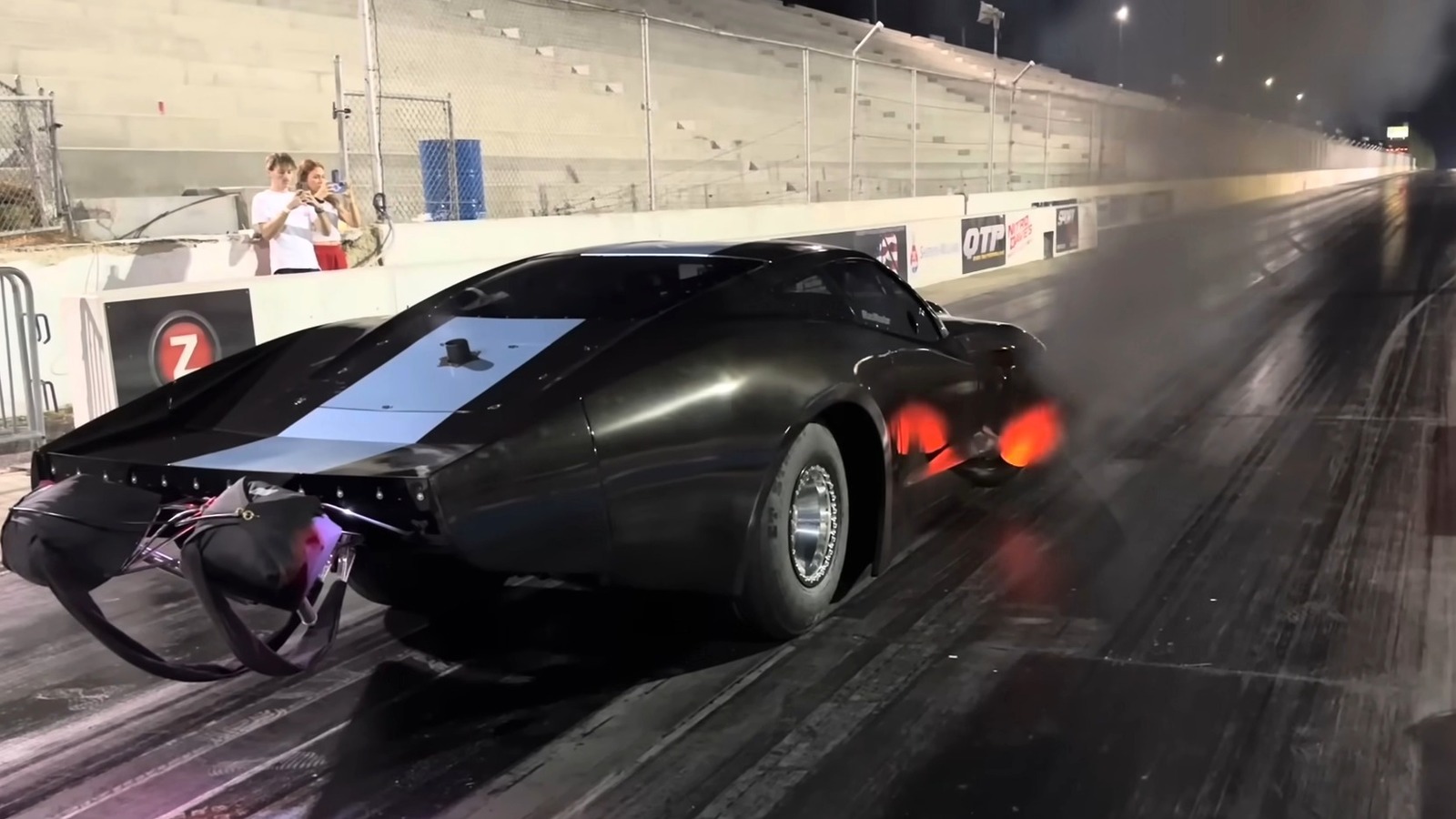
Custom builders are transplanting diesel engines into Chevrolet Corvettes, proving that fuel type doesn't dictate driving excitement. These builds subvert Chevy's decision to never offer a factory diesel Corvette, despite the marque's truck lineup featuring diesel options for years.
Diesel swaps into sports cars remain rare. The Corvette's lightweight chassis, aerodynamics, and mid-engine design in newer generations make it fundamentally engineered for gasoline power. Yet builders pursue diesel conversions anyway, drawn to the torque characteristics and unconventional engineering challenge.
The appeal centers on diesel torque delivery. A modern diesel produces peak torque across a broader RPM band than comparable gasoline engines. In a car as responsive as a Corvette, that low-end punch creates a different sensation. Builders gain access to diesel reliability and fuel economy figures that gasoline engines cannot match. A C5 or C6 Corvette fitted with a modern diesel could theoretically return 30-plus mpg on the highway while maintaining performance credentials.
Practical obstacles abound. Corvette chassis dynamics assume gasoline engine weight distribution. Diesel engines typically weigh more, altering balance. Cooling systems, electrical architectures, and transmission compatibility require extensive engineering. Exhaust emissions compliance becomes complex. Insurance companies struggle to classify these vehicles.
The builds highlight an industry trend. As manufacturers electrify and turbocharged small-displacement gasoline engines dominate, diesel options shrink in North America. Yet diesel technology continues advancing globally. Builders experimenting with diesel Corvettes occupy an intersection of nostalgia, engineering curiosity, and rebellion against factory conventions.
These cars will never appeal to mainstream buyers. They represent one-off passion projects, not market opportunities. Yet they demonstrate that sports car enjoyment remains independent of powertrain choice. A Corvette with a diesel engine