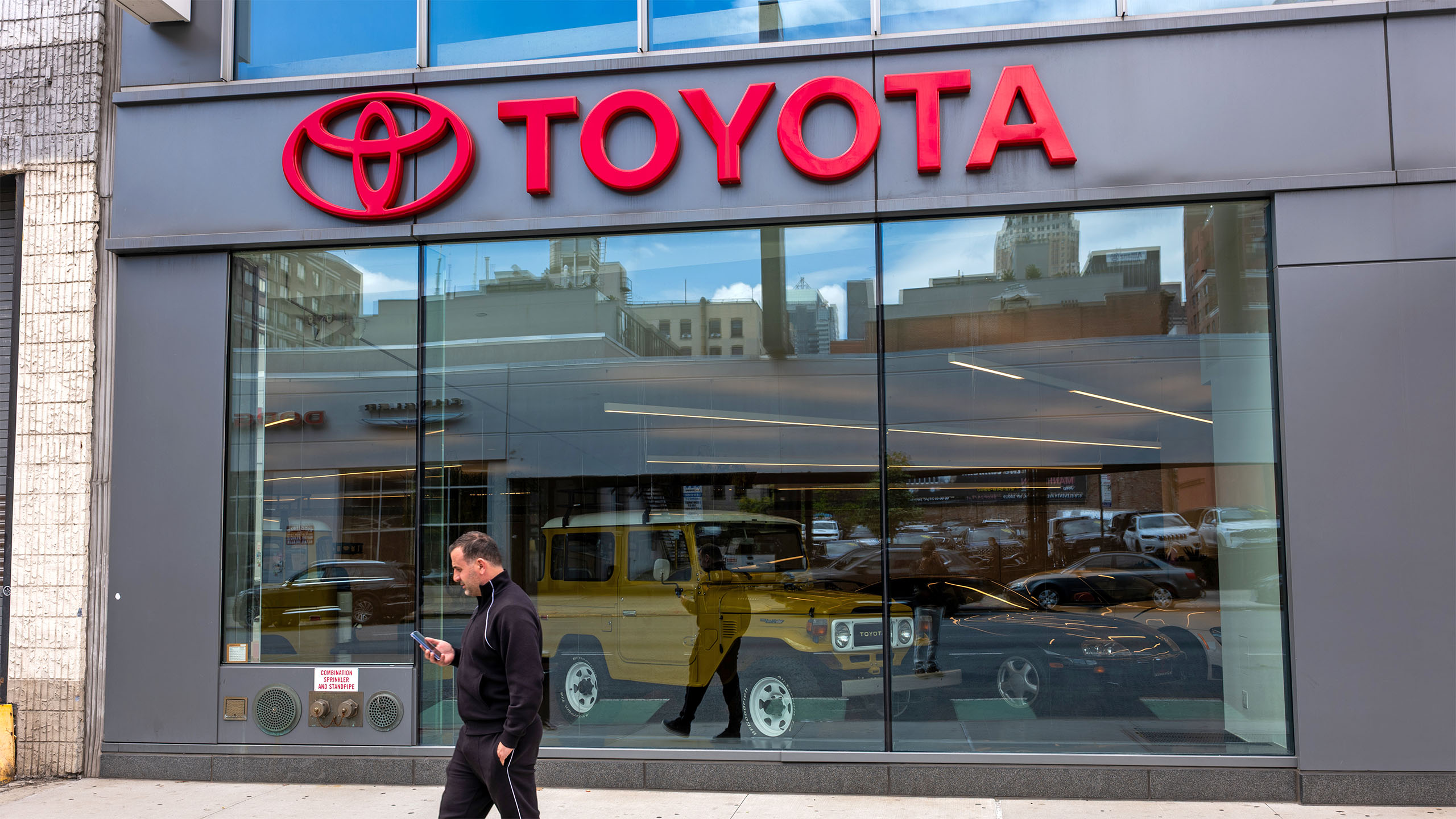
Toyota faces mounting pressure as its global sales decline for the fourth consecutive month in 2026. Supply chain disruptions in the Middle East and intensifying competition in China have combined to erode the Japanese automaker's market position.
Supply constraints in the Middle East represent a critical headwind. Toyota typically relies on steady demand from Gulf states and surrounding markets, but logistics bottlenecks have prevented the company from fulfilling orders at normal volumes. The company has not detailed specific recovery timelines for these regional operations.
China's competitive landscape presents a deeper structural challenge. Domestic manufacturers including BYD, Li Auto, and XPeng have captured increasing market share with affordable EVs and hybrid vehicles that appeal directly to price-conscious Chinese buyers. Tesla continues to dominate the premium EV segment there. Toyota's hybrid advantage, once a differentiator in China, faces erosion as local competitors develop comparable electrified powertrains at lower price points.
The four-month sales slide marks an unusual downturn for Toyota, which maintained relative stability through the 2021-2023 chip shortage that crippled competitors. The automaker's legendary supply chain management has proven vulnerable to compounding regional disruptions and market saturation in its second-largest profit region.
Toyota must address both immediate supply recovery and long-term competitive positioning. The company has invested heavily in EV development and battery production, but those initiatives require years to generate meaningful sales volume. Hybrid vehicles still anchor Toyota's portfolio, yet they face margin pressure as the market shifts toward battery-electric platforms.
The sales decline signals that even Toyota's operational excellence cannot overcome simultaneous supply constraints and shifting consumer preferences. Without swift action to stabilize Middle East shipments and accelerate China-specific EV offerings, this downward trend could persist through 2026.