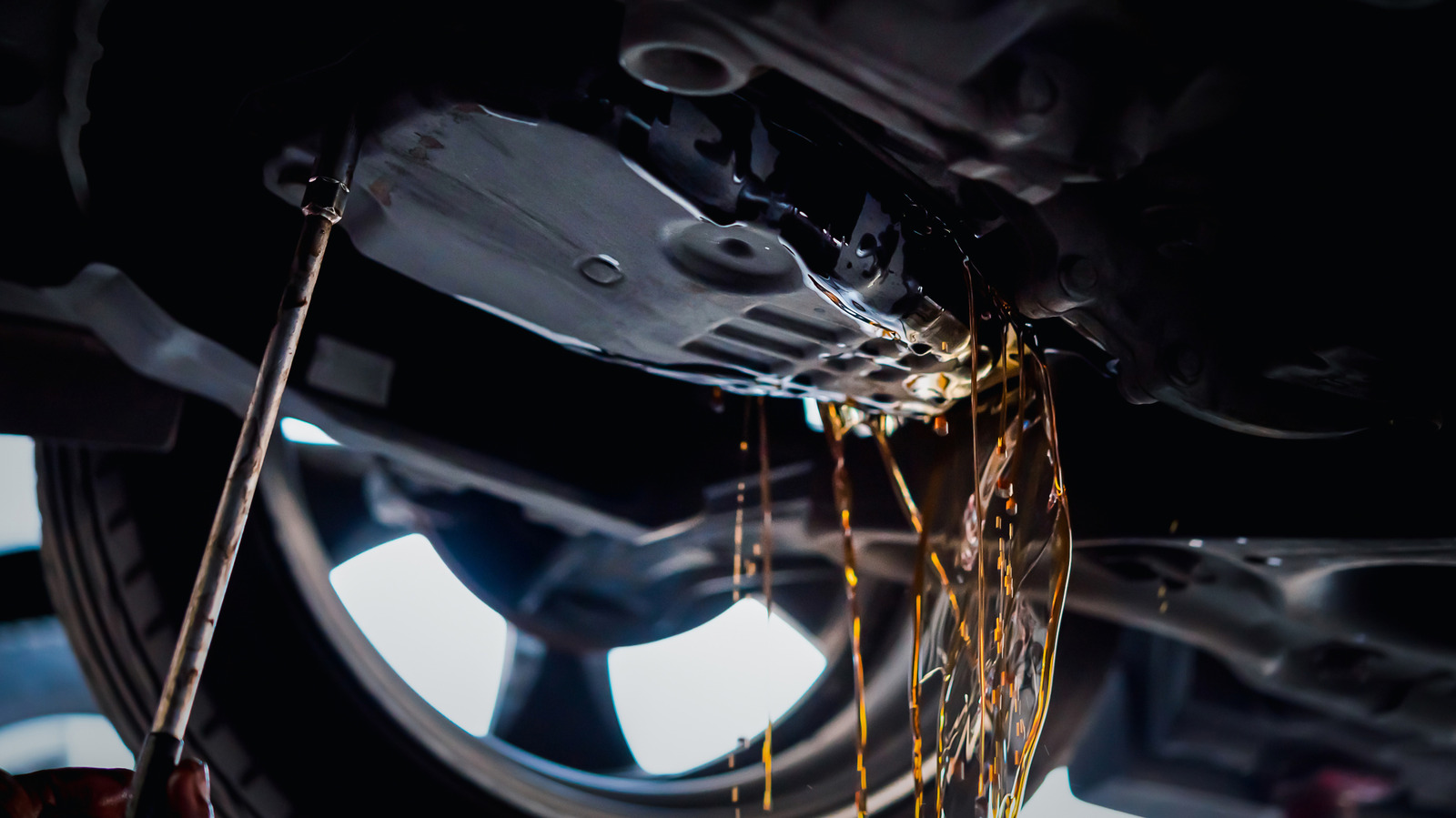
Transmission fluid color serves as a direct window into your transmission's health. Fresh fluid appears bright red or pink, but darkness signals trouble that demands immediate attention.
Clear or slightly amber fluid indicates normal operation in many modern transmissions. As fluid circulates through the gearbox, it gradually darkens from red to brown, a natural process that occurs over thousands of miles. This progression doesn't necessarily mean replacement is imminent. However, black or very dark brown fluid suggests the fluid has oxidized excessively and accumulated debris. This happens when fluid breaks down from heat exposure, friction, and contamination.
Burnt-smelling dark fluid points to overheating. Transmissions operate best between 175 and 220 degrees Fahrenheit. Sustained temperatures above 250 degrees accelerate fluid degradation and damage internal components. Towing, heavy traffic, or a failing cooling system can push temperatures dangerously high.
Milky or cloudy fluid indicates water contamination. This typically stems from a failed seal, cracked transmission pan, or head gasket leak. Water destroys the lubricating properties of transmission fluid and corrodes metal components. Cloudy fluid demands immediate diagnosis and repair.
Reddish fluid with a burnt smell suggests metal particles circulating through the system. This signals internal wear like failing clutches, bands, or gear teeth. Continuing to drive risks catastrophic transmission failure.
Check your transmission fluid every 30,000 to 60,000 miles depending on your vehicle's recommended service interval. Most manufacturers now specify fluid for the entire vehicle lifespan, but heavy-duty use and older transmissions benefit from regular inspection and replacement every 60,000 to 100,000 miles.
Don't ignore color changes. Fresh, properly colored fluid costs $150 to $300 for most vehicles. Ignoring warning signs can result in a $