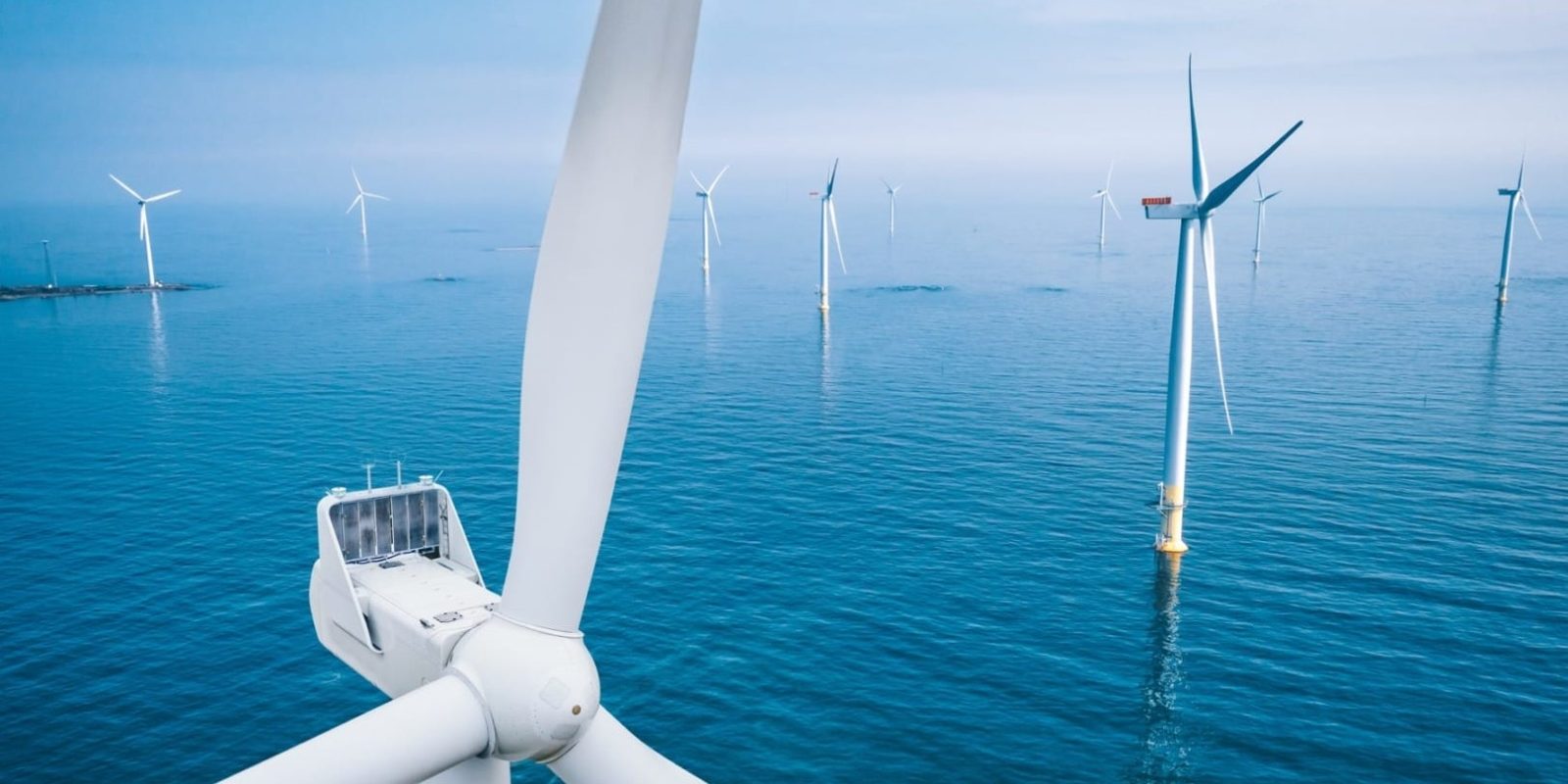
The Interior Department has struck another controversial deal with Duke Energy to abandon offshore wind development in Carolina Long Bay, according to reporting from Electrek. The agreement effectively cancels a renewable energy project while redirecting focus toward gas infrastructure, a pattern the outlet characterizes as unlawful favoritism toward fossil fuel interests.
Duke Energy receives substantial financial benefits through the arrangement, valued at roughly a billion dollars in taxpayer resources. The deal represents the latest in a series of similar agreements between federal officials and major energy companies that prioritize natural gas over offshore wind expansion.
Offshore wind development has emerged as critical infrastructure for U.S. electricity generation. Projects like Vineyard Wind demonstrate the technology's viability, yet political and regulatory obstacles continue to slow deployment. Canceling Carolina Long Bay removes another megawatt source from the grid precisely when demand for renewable capacity is climbing.
The Duke Energy arrangement raises questions about Interior Department authority and legal constraints on such agreements. Energy advocates argue these deals contravene statutory obligations to develop federal waters for clean energy production. The financial transfers involved represent public money flowing to private utilities rather than supporting infrastructure that would lower electricity costs through renewable generation.
Electricity pricing directly hinges on generation sources. Renewable projects typically offer lower long-term operating costs compared to gas plants requiring continuous fuel purchases. By steering development away from wind and toward gas infrastructure, these deals preserve expensive energy generation models while blocking cheaper alternatives from reaching consumers.
The pattern affects competitive dynamics in the power sector. Traditional utilities benefit from continued reliance on fossil fuels, while renewable developers lose access to high-potential offshore sites. This imbalance shapes which technologies grow and which stagnate, ultimately determining what electricity costs American households and businesses pay for decades.