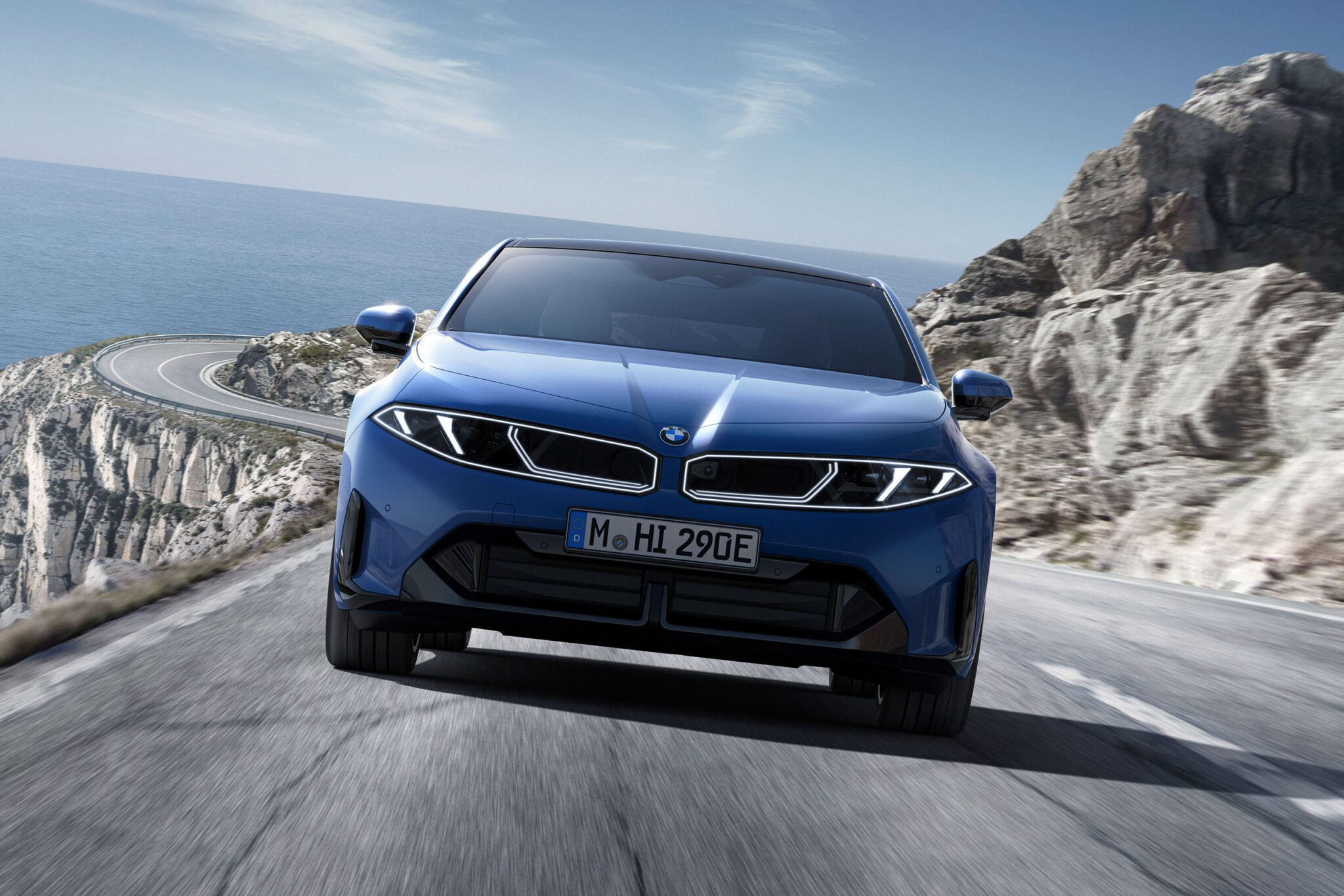
BMW Group faces a critical decade ahead as it navigates electrification, market competition, and profitability targets through 2030. Production forecasts reveal the company's manufacturing footprint and model mix will shift substantially to accommodate electric vehicle demand while maintaining its premium positioning across multiple segments.
The automaker operates plants across Europe, China, and North America that currently produce the 3 Series, 5 Series, X3, X5, and M-badged performance variants. By 2030, EV production will dominate new capacity allocations, with the i4 and iX models leading BMW's battery-electric portfolio. The company's sub-brand structure—including Mini, Rolls-Royce, and BMW Motorcycles—will also contribute to overall output targets.
Production volumes will likely remain flat or decline modestly compared to pre-pandemic levels as BMW prioritizes margin over market share. The luxury segment itself faces structural headwinds from slowing Chinese demand and intensifying EV competition from Tesla, BYD, and emerging Chinese brands. BMW's strategy focuses on higher-priced models with stronger profitability, particularly the X-series SUVs that now represent over 50 percent of total output.
The forecast reflects BMW's €15 billion commitment to electrification through decade's end. Battery supply agreements with Northvolt, CATL, and Samsung SDI will underpin production scaling. However, semiconductor shortages and supply chain fragmentation remain constraints on growth acceleration.
In Europe, shifting production to accommodate EV batteries and electric drivetrains will require significant capital investment at existing facilities in Munich, Dingolfing, and Spartanburg, South Carolina. The company must balance new EV platform development with maintaining profitability on internal combustion engines that will still generate substantial revenue through 2030.
BMW's forecast ultimately reflects realistic expectations for