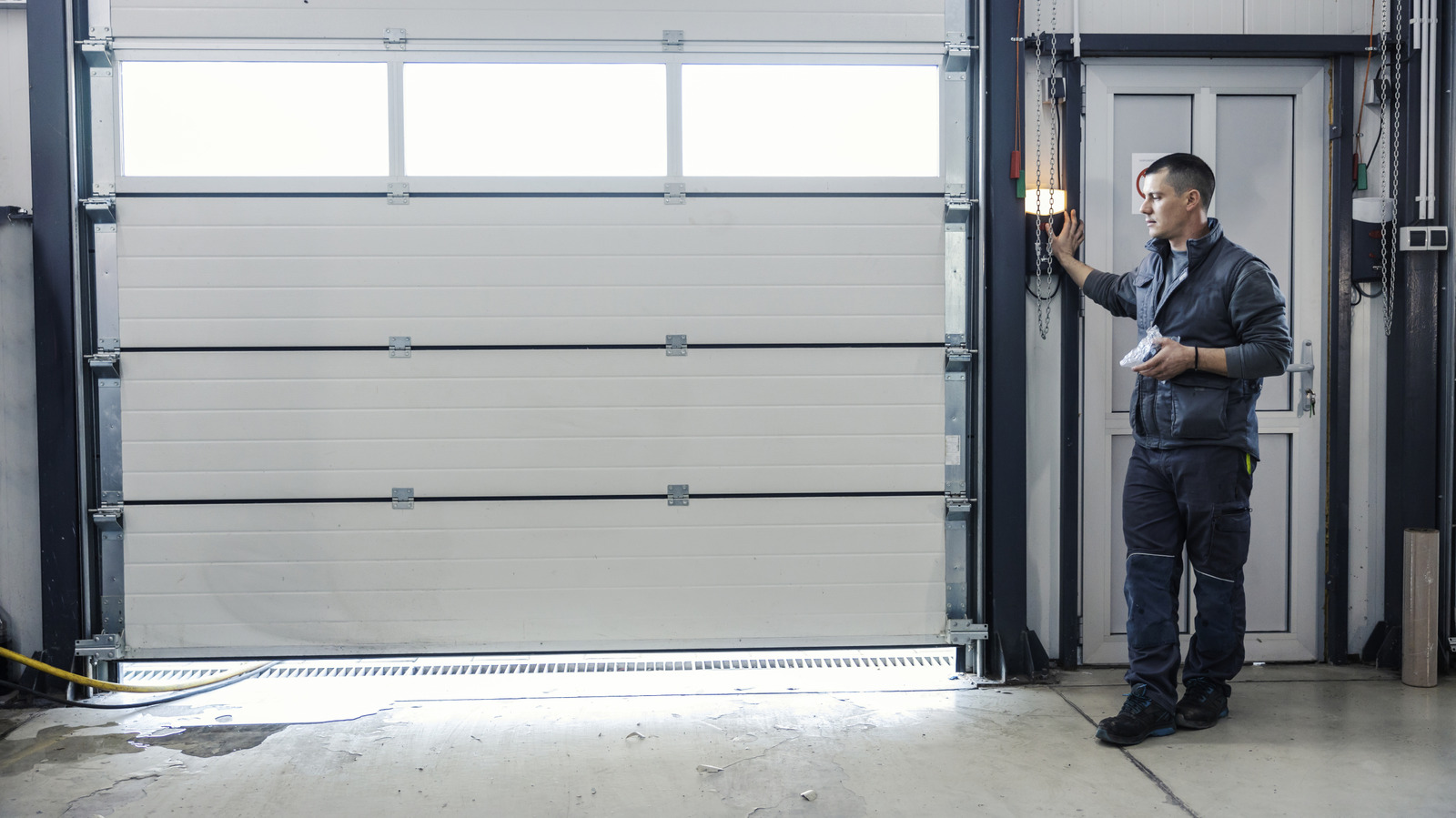
Leaving your garage door cracked open during hot months might cool things down, but it introduces real security and safety problems that outweigh the benefit.
An open garage door, even partially, broadcasts an invitation to thieves. Your garage typically stores tools, equipment, bikes, and sometimes vehicles. A cracked door gives opportunistic intruders easy access without triggering motion sensors or security systems that activate when doors open fully. Homeowners often underestimate how quickly someone can slip inside and grab valuables.
Pest infiltration ranks as another serious downside. Insects, rodents, and other animals exploit small openings to enter your garage and potentially your home. Mosquitoes thrive in summer heat anyway, but a cracked door accelerates their invasion. Rodents seeking shelter or food sources won't hesitate to enter through a gap.
The cooling benefit itself proves limited and temporary. A partially open garage door doesn't create meaningful cross-ventilation unless you also open windows or doors elsewhere in your home. The air circulation remains minimal, and any cooler air escapes quickly as warm exterior air enters. Most garages lack insulation, so heat builds regardless.
Better alternatives exist. Garage door insulation kits reduce heat buildup substantially without sacrificing security. Attic fans and proper ventilation systems remove hot air efficiently. Window shades or reflective films block solar heat gain. Installing a wall-mounted fan or portable unit costs less than replacing a garage door and delivers actual cooling where you need it.
If your garage serves as a workshop or storage space during summer, proper ventilation solutions deserve the investment. Energy-efficient garage door openers with better seals prevent excessive heat transfer. Some homeowners install separate side doors with locks for controlled access, maintaining security while allowing targeted airflow.
The garage door crack strategy trades away security and pest control for minimal thermal benefit. Home cooling requires a comprehensive