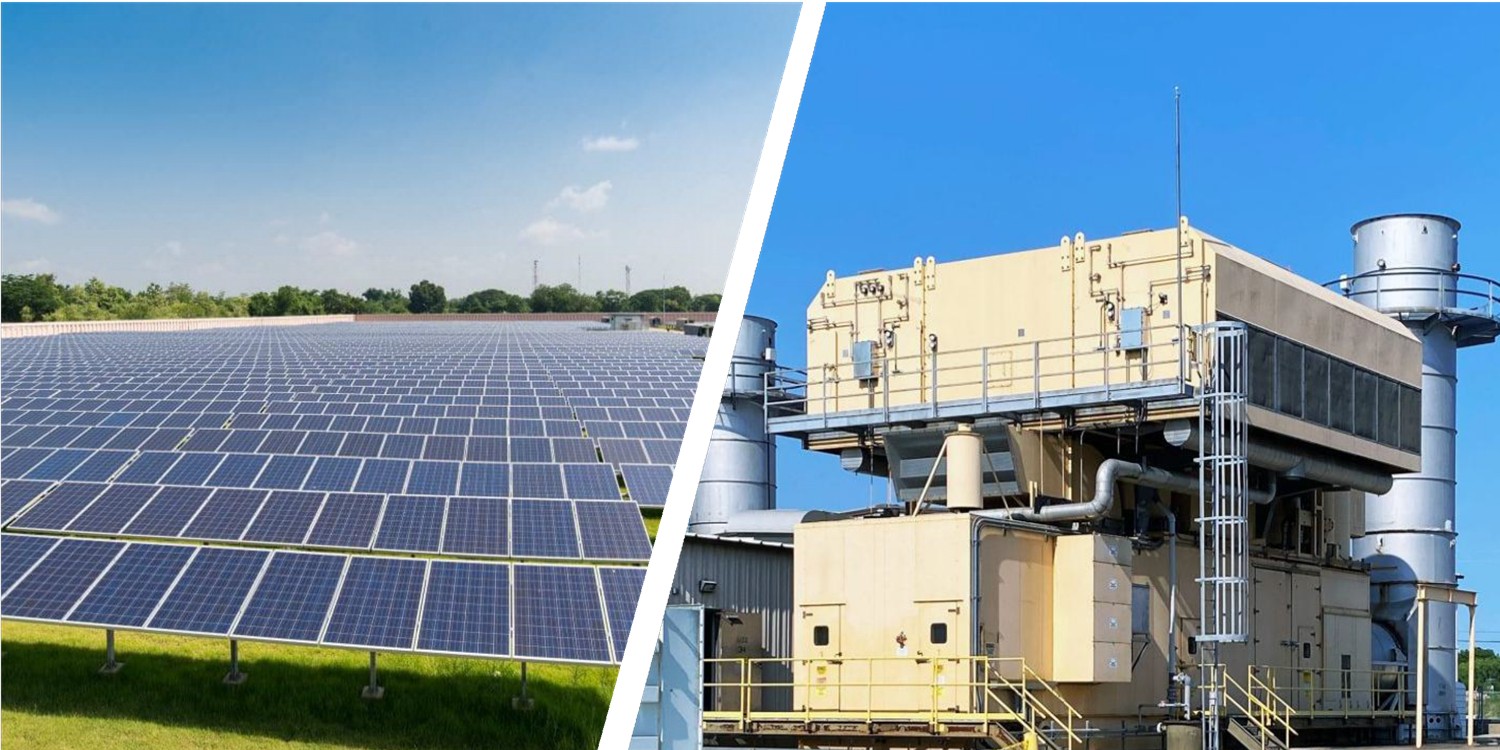
Earthrise Energy has accelerated grid interconnection for 270 megawatts of new solar capacity by leveraging an existing natural gas plant's connection infrastructure. The company identified that repurposing grid access points originally built for fossil fuel generation allows solar projects to bypass lengthy permitting and interconnection queues that typically delay renewable deployments by years.
Traditional solar projects face significant delays at the interconnection stage. Utilities must evaluate system impacts, conduct studies, and manage requests competing for limited grid access. These processes routinely stretch timelines to five years or longer, creating a bottleneck for renewable energy deployment despite policy targets calling for rapid solar growth.
Earthrise's approach replaces retiring or underutilized gas plant capacity with solar generation using the same physical grid connection points. This strategy eliminates much of the infrastructure evaluation work utilities must perform for new interconnection requests. The gas facility's existing equipment and safety systems already underwent full grid compliance review, so switching the generation source from natural gas to solar requires substantially less study.
The 270 MW solar deployment represents a meaningful acceleration in renewable capacity addition. Projects utilizing this method can proceed to construction within months rather than years, directly addressing one of the renewable energy industry's most persistent headwinds.
This model works particularly well in regions with aging coal and natural gas plants facing retirement. As utilities decommission fossil fuel facilities, their grid connections become available for renewable replacement. Several regions across the United States have substantial pipeline of retiring power plants, offering Earthrise and similar developers multiple opportunities to replicate this fast-track approach.
The strategy doesn't eliminate grid modernization needs entirely, but it removes redundant studies for interconnection points already proven suitable for large-scale power generation. Utilities benefit from simplified permitting processes while maintaining grid stability standards. Developers gain faster project timelines and reduced development costs.
This model signals a practical interim solution to grid interconnection delays plag