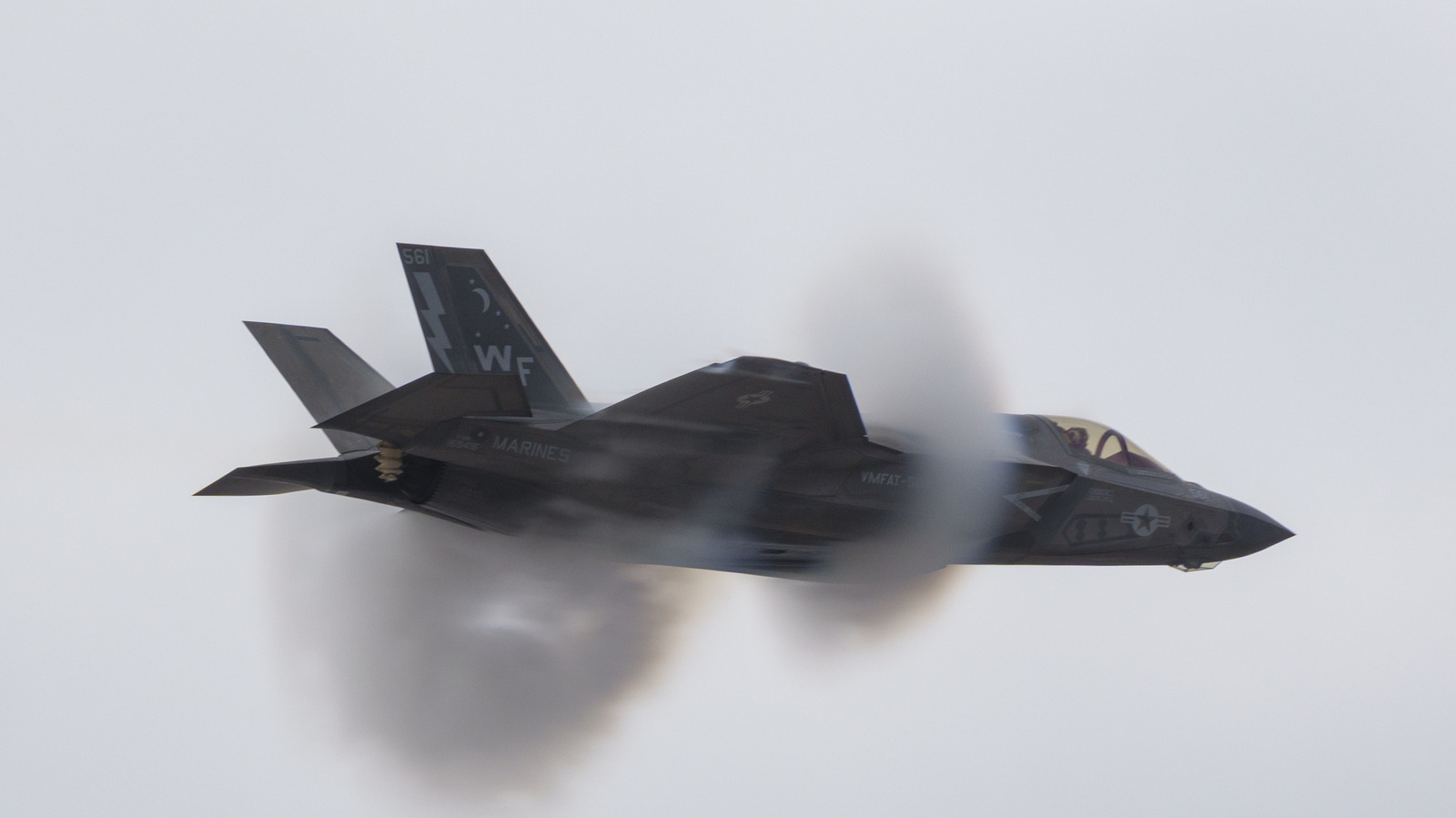
The U.S. Air Force is delivering F-35 fighter jets with ballast weights substituting for radar systems in the aircraft's nose section. The radar equipment, which serves as essential avionics for target detection and engagement, remains unavailable due to delays in development and production.
Without the actual radar unit, the F-35s cannot perform their intended combat missions. The ballast compensates solely for weight distribution to maintain proper aerodynamic balance during flight. Pilots can fly the aircraft in this condition, but the jets lack the sensor suite required for air-to-air combat, ground target identification, and threat detection.
This situation underscores persistent problems with the F-35 program, which has already consumed over $1.7 trillion in lifetime costs across all variants. The radar delays represent another setback for an aircraft that has faced repeated technical issues, software glitches, and supply chain disruptions since development began in the 1990s.
The decision to deliver incomplete jets reflects the Pentagon's commitment to meeting production schedules rather than operational capability requirements. Aircraft manufacturers and defense contractors involved in the program have prioritized delivery timelines to justify continued funding and maintain production momentum.
The F-35 remains the most expensive military aircraft program in history. Each unit costs roughly $130 million, and recurring delays have become routine. Earlier setbacks included engine problems, helmet display malfunctions, and software integration issues that took years to resolve.
This ballast situation reveals a fundamental tension in military procurement. The Air Force needs the aircraft for fleet modernization, yet accepting incomplete platforms delays genuine combat readiness. Pilots will eventually receive radar-equipped versions, but that timeline remains uncertain.
The radar itself, developed by Northrop Grumman, continues facing technical and manufacturing challenges. Until those resolve, F-35 squadrons will operate with severely limited capability. The aircraft represents cutting-edge technology