The 2026 Toyota RAV4 dominates the compact SUV market with its hybrid efficiency and available all-wheel drive, but sticker shock stops many buyers cold. The RAV4 commands premium pricing that pushes into the mid-$30,000s for base models, with hybrid variants climbing higher.
Budget-conscious shoppers have solid alternatives. The Honda CR-V delivers similar practicality and reliability for less money, particularly in non-hybrid form. The Mazda CX-5 offers sharper handling dynamics and better interior design, undercutting RAV4 pricing significantly. The Hyundai Santa Fe brings warranty coverage that outlasts Toyota's standard protection, a real value proposition for cost-conscious buyers.
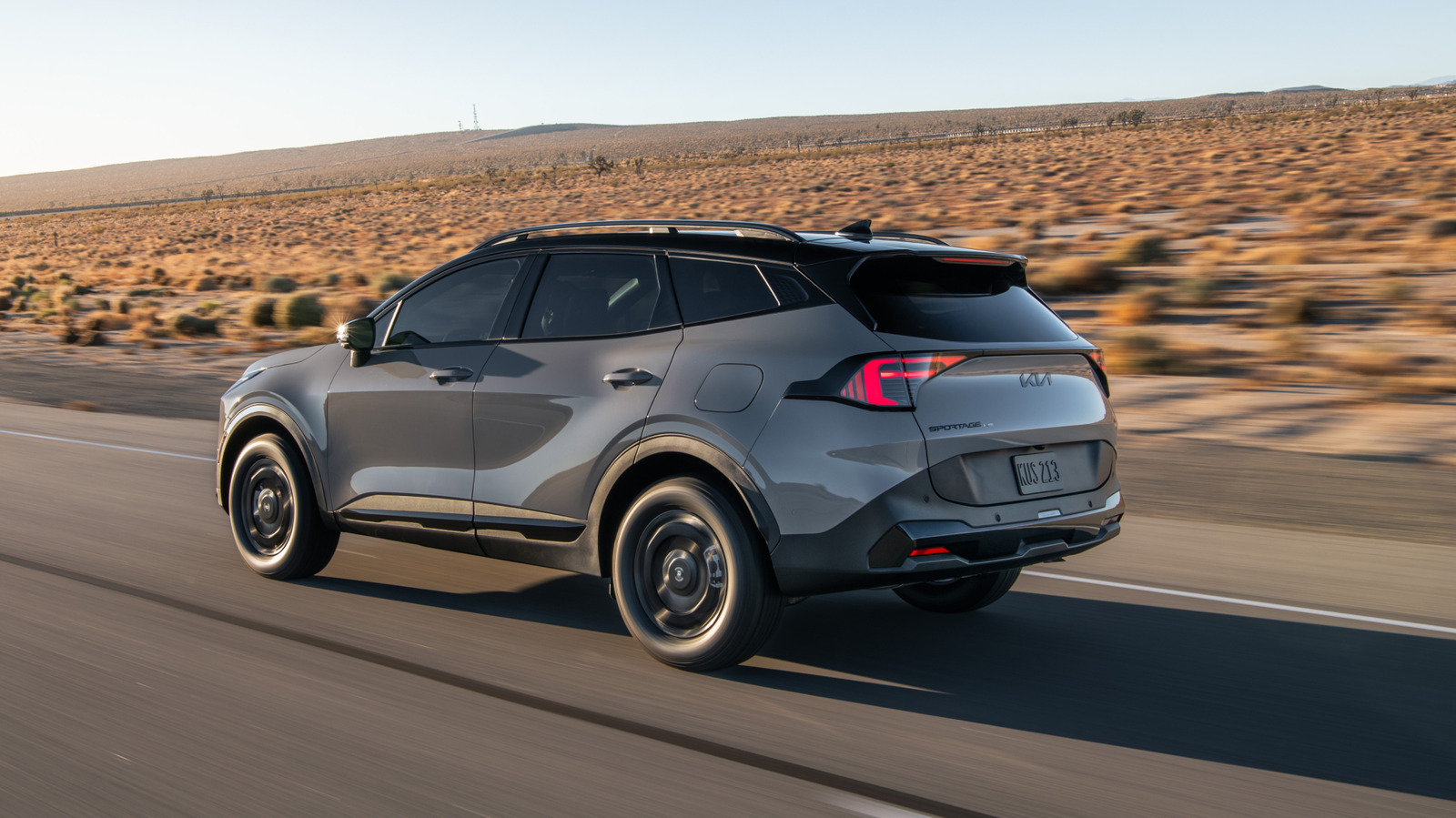
For those willing to go smaller, the Subaru Crosstrek serves outdoorsy drivers with standard AWD at a lower entry price than RAV4 pricing. The Volkswagen Tiguan provides European engineering and a more refined driving experience for comparable money. The Kia Sportage matches Santa Fe value with a sportier character.
Used RAV4 models from recent years represent another path. A 2023 or 2024 RAV4 with moderate miles often costs significantly less than a new 2026 model, preserving Toyota's legendary reliability without the new-car premium.
The RAV4's hybrid advantage matters less when alternatives offer solid EPA ratings of their own. Honda's standard continuously variable transmission rivals Toyota's hybrid efficiency in real-world driving. Mazda's turbo engine delivers surprising fuel economy while adding performance that RAV4 buyers don't get.
Toyota's market dominance rests on brand perception rather than objective superiority. The RAV4 sells because buyers trust the badge, not because competitors fail to deliver. For drivers prioritizing value over nameplate, these alternatives deliver comparable space