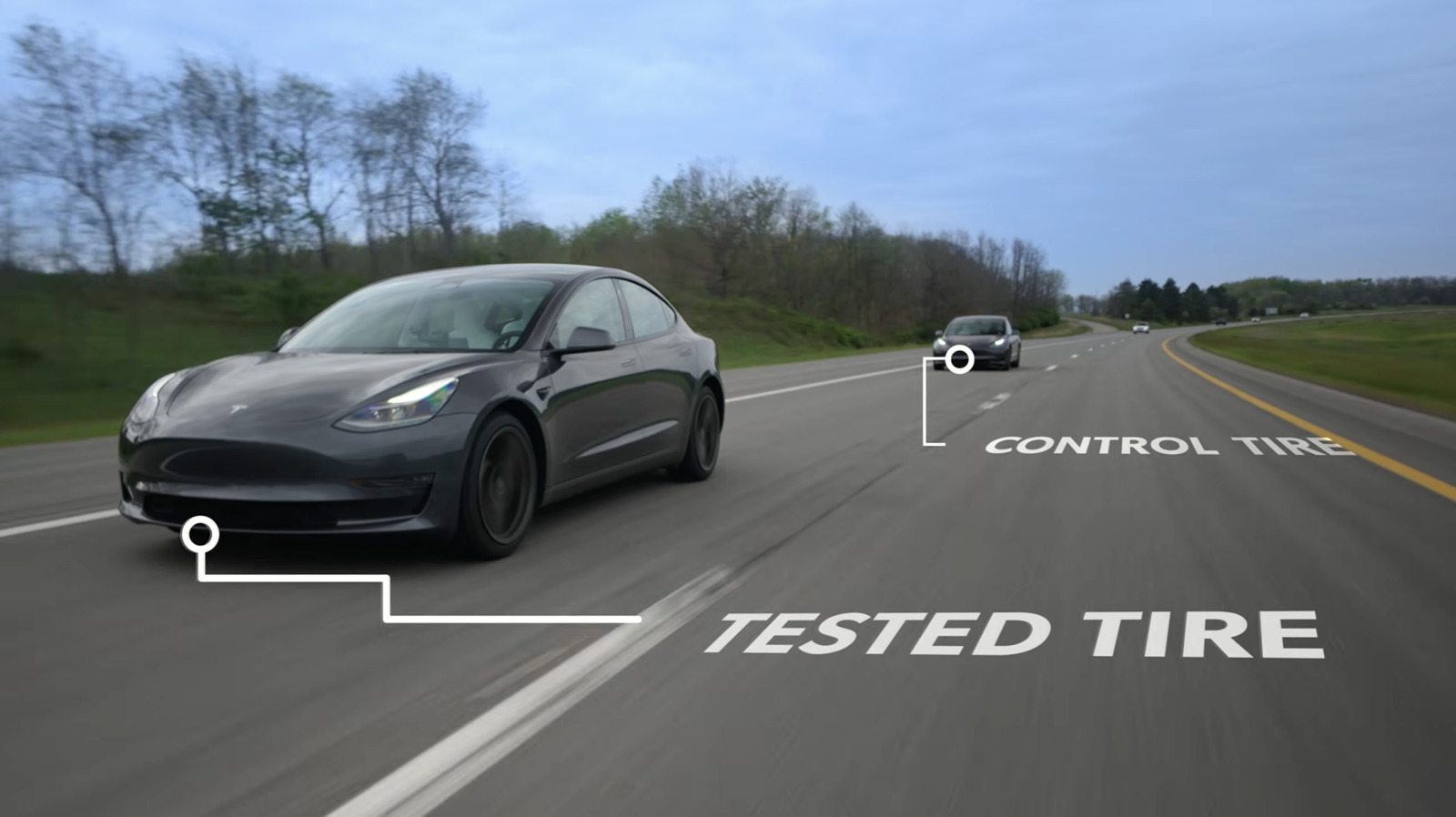
Tire Rack's latest testing data challenges Michelin's grip on the ultra high performance all-season tire category. The testing outfit evaluated several competitors using a Tesla Model 3, finding that alternatives outperform Michelin's offerings in this segment.
The test methodology matters here. Tire Rack deliberately avoided EV-specific tire designs to ensure results applicable across the broader market. A Tesla Model 3's weight distribution and instant torque delivery create demanding conditions that expose tire performance gaps quickly. The results prove relevant whether you drive electric or gas-powered vehicles.
Ultra high performance all-season tires occupy a specific market niche. They balance summer-like grip with all-weather capability, targeting drivers who refuse seasonal tire swaps but demand track-ready performance. Michelin has long commanded premium pricing in this space, leveraging its reputation for durability and safety. That dominance now faces real competition.
The implications extend beyond tire shops. OEM tire selection influences buyer perception and loyalty. If independent testing consistently shows competitors outperforming Michelin's ultra high performance all-season lineup, manufacturers may reconsider their tire spec choices for new vehicles. This shifts dealer and consumer purchasing decisions.
Tire technology continues fragmenting into subcategories. Brands now offer EV-tuned rubber, all-terrain hybrids, and performance variants optimized for specific driving patterns. Tire Rack's commitment to testing across vehicle types reflects the industry reality that no single tire serves all needs equally. The standardization era has ended.
Michelin's response will define the next phase. The company can either match competitor performance, emphasize alternative strengths like tread life, or retreat upmarket to luxury segments where brand equity carries more weight. The test results suggest the first option matters most.