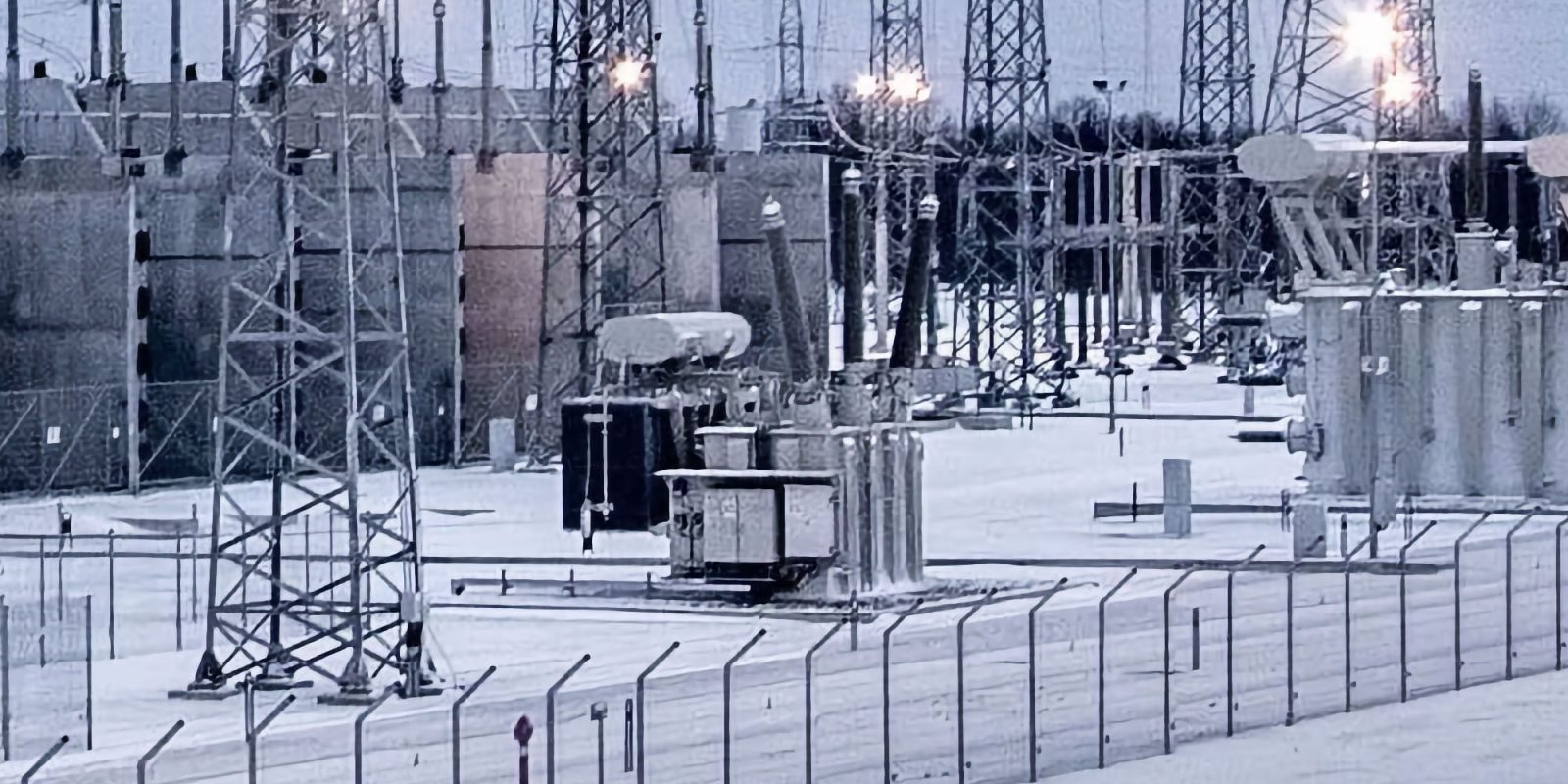
Hitachi Energy has launched construction on a massive expansion at its South Boston, Virginia facility that will establish the largest power transformer factory in the United States. The project targets a critical bottleneck in American infrastructure as data centers and AI computing operations demand unprecedented amounts of electricity.
Power transformers step voltage up and down across the grid. They're foundational equipment, yet the US has struggled with transformer shortages for years. Data center expansion, driven by artificial intelligence workloads, has intensified demand beyond what existing manufacturing can handle. The grid itself is aging and congested, particularly in regions where cloud computing clusters are concentrated.
Hitachi Energy's expansion addresses a genuine supply crunch. The company operates one of the few large-scale transformer factories in North America, and adding capacity here matters because transformers are expensive and difficult to ship internationally. Lead times on new units stretch months. Without domestic production increases, grid upgrades slow down, and major tech companies face delays deploying new data centers.
The timing reflects industry reality. Tech giants including Microsoft, Google, and Amazon are racing to build out AI infrastructure. These facilities consume electricity at staggering rates. A single large data center can draw 50 to 100 megawatts or more, equivalent to a small city. Utilities struggle to route that power through aging equipment designed for lower loads.
Transformer manufacturing requires skilled labor, specialized materials, and precision engineering. It's capital intensive and not particularly profitable, which explains why the US lost manufacturing capacity over decades. Hitachi Energy's South Boston operation now becomes the dominant domestic player for large power transformers. The expansion signals confidence that demand will remain elevated through the 2030s.
Grid infrastructure upgrades happen slowly. Permitting takes years. Transformer factories take time to ramp production. The timing of this announcement suggests Hitachi Energy sees sustained AI-driven electricity demand as a structural shift, not a