Toyota's global sales declined for the fourth consecutive month in May, a downturn the automaker attributes directly to elevated fuel prices. The slump underscores how quickly gas price volatility reshapes buyer behavior, even for the world's largest automaker by volume.
The silver lining for Toyota comes from its electric vehicle segment, which saw sales surge 170 percent during the same period. This explosive growth in EVs reveals a bifurcated market. Consumers facing higher gas prices are accelerating their shift toward battery-powered vehicles, while traditional internal combustion engine sales stagnate.
Toyota's predicament mirrors broader industry dynamics. High fuel costs erode the perceived value proposition of gas-powered vehicles, particularly in markets like Europe where petrol prices remain structurally elevated. Buyers delay purchases of conventional models or trade down to smaller, more efficient combustion engines. EVs, by contrast, offer lower per-mile operating costs that become increasingly attractive when gasoline prices spike.
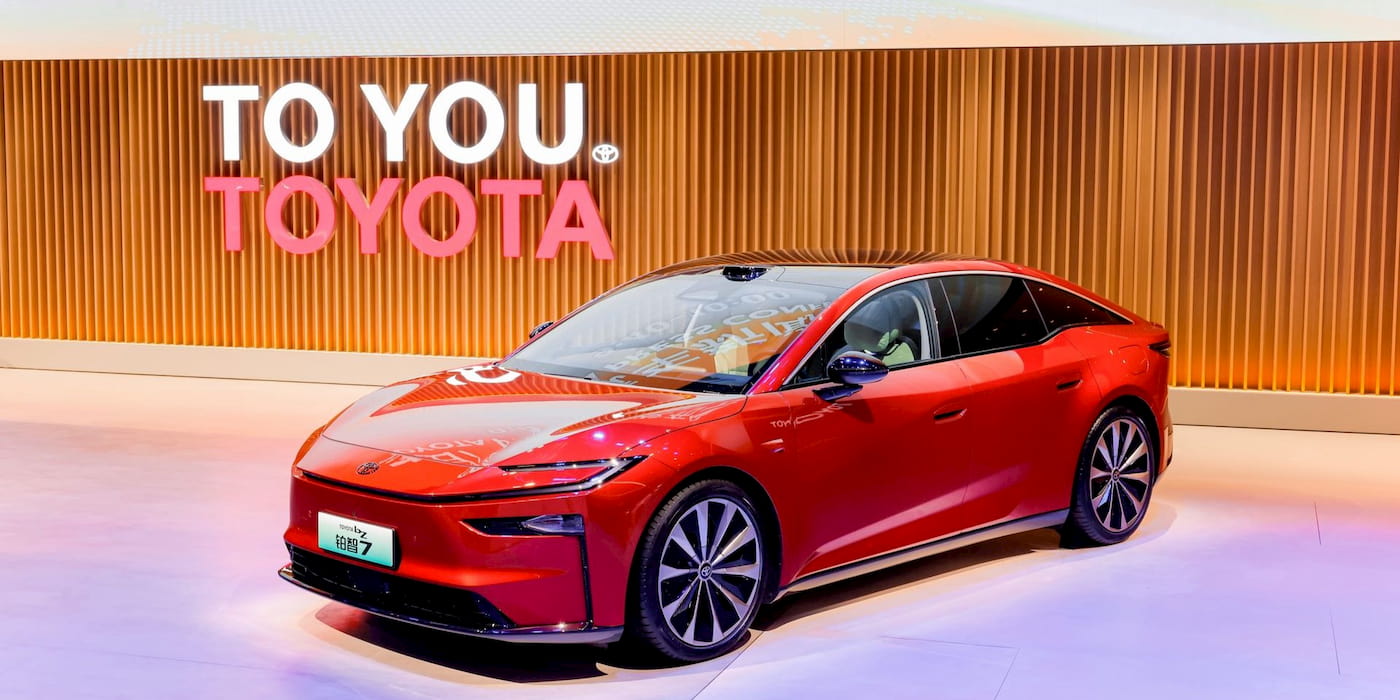
Toyota's EV momentum reflects its expanding lineup. The bZ4X crossover, bZ Compact SUV concept, and upcoming bZ Sport Crossover signal the manufacturer's commitment to electrification. Yet the company remains heavily dependent on hybrid technology, which traditionally buffers sales during fuel price shocks. That hybrid advantage appears insufficient this cycle.
The four-month sales slide represents a strategic vulnerability for Toyota. The company has long resisted pure EV adoption compared to competitors like Volkswagen and BYD, instead championing hydrogen and plug-in hybrids. Rising gas prices now expose this hedging strategy. While EV sales jump 170 percent, the base is smaller. Toyota needs these dual-drive gains to offset a contracting core business.
Going forward, Toyota faces pressure to accelerate EV deployment across all segments. Buyers no longer view EVs as niche luxury products. They see