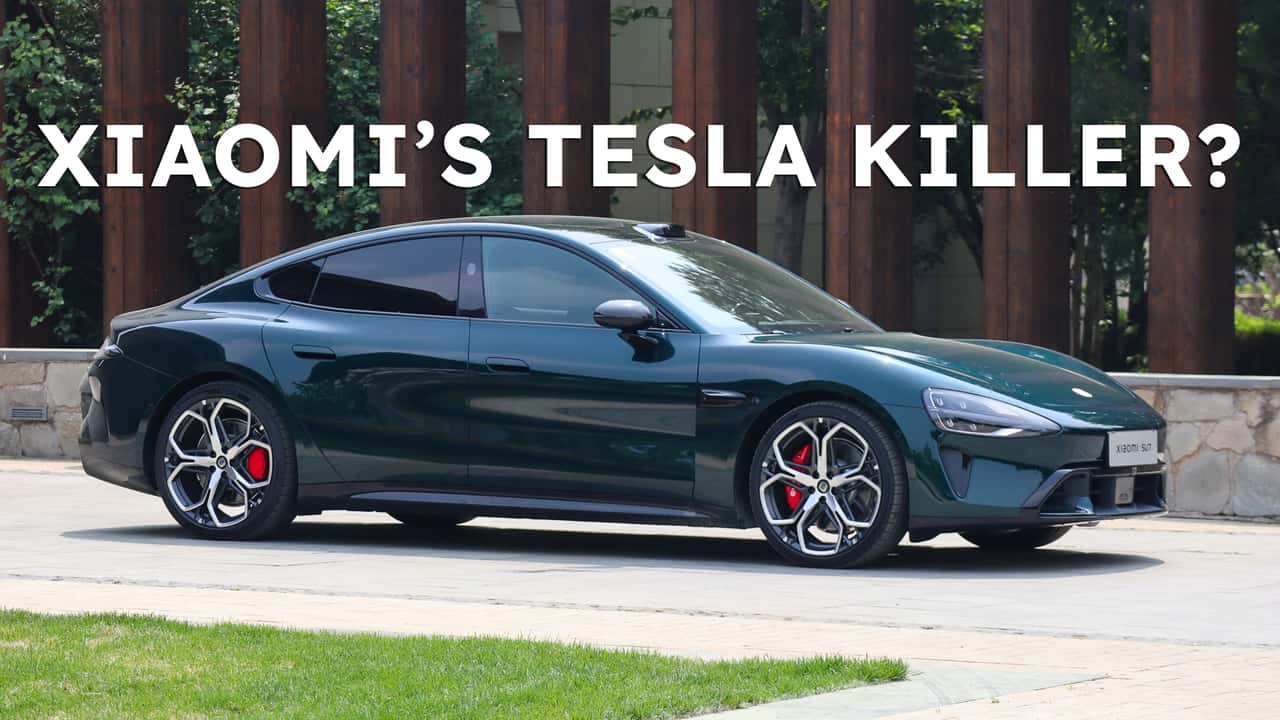
Xiaomi's SU7 electric sedan has evolved into a credible European contender without requiring major overhauls for the market. The Chinese automaker's updated model arrives with the polish and specification depth that continental buyers demand, particularly at price points that undercut established EV makers.
The SU7 delivers on performance fundamentals. Its dual-motor setup produces substantial acceleration, while the platform demonstrates confident handling dynamics. Range sits comfortably above 400 miles on optimized cycles, addressing range anxiety that plagued earlier Chinese EV exports to Europe. Charging infrastructure compatibility appears resolved, with the car supporting both CCS2 and native protocols via adapter hardware.
Interior execution matters for European buyers accustomed to premium cabin finishes. Xiaomi's latest iteration shows material choices and assembly quality that match competitors at this price tier. The infotainment system leans heavily on connectivity and smartphone integration, a strength for Xiaomi's ecosystem but potentially a concern for traditionalists preferring dedicated controls.
Pricing remains the SU7's trump card. Entry models land below 50,000 euros before incentives, positioning the sedan between Tesla's Model 3 and BYD's offerings. That positioning creates real competitive pressure on established players like Volkswagen and BMW, whose comparable electrified sedans command 10,000 to 15,000 euros more.
Safety certification and emissions compliance still require formal validation across individual EU markets. Xiaomi faces the same homologation hurdles that challenged BYD and other recent Chinese entrants. Supply chain setup and dealer network establishment demand attention before any serious market penetration occurs.
The SU7 doesn't revolutionize the EV sedan segment. It competes through value density rather than innovation. European adoption hinges less on the car's readiness and more on regulatory approval timelines and Xiaomi's commitment to