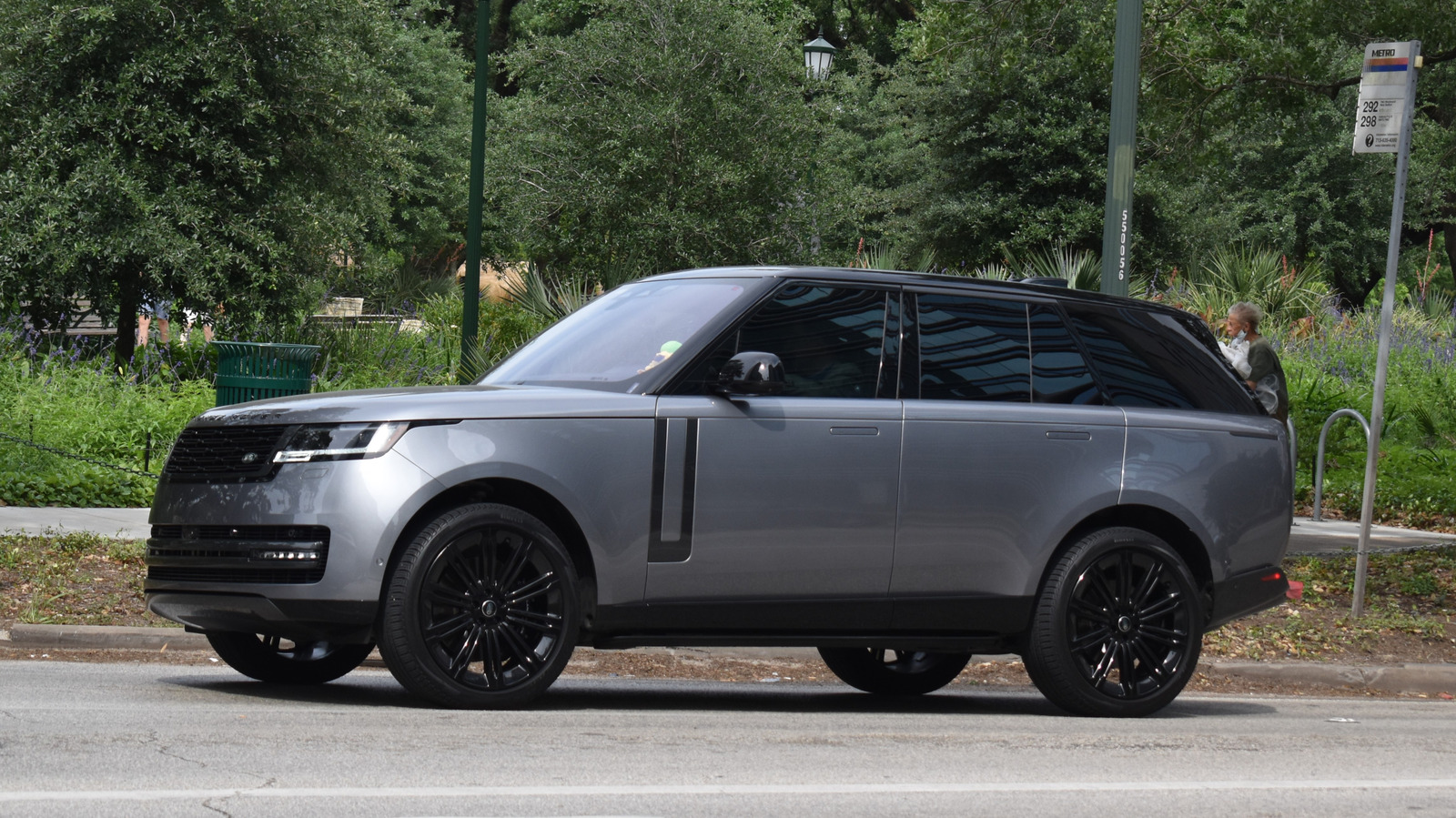
Range Rover depreciation hits harder than most luxury SUVs, and the reasons extend beyond typical wear-and-tear economics. The British marque loses a significant chunk of its value within the first three years of ownership, a pattern that stems from both reliability concerns and buyer psychology in the secondhand market.
Land Rover's reputation for expensive repair bills plays a central role. Complex electronics, air suspension systems, and integrated infotainment platforms fail regularly on aging Range Rovers. A single air suspension repair can run $1,500 or more. Transmission issues plague certain model years, while panoramic roof failures add thousands to potential fixes. Buyers shopping used models price in these known vulnerabilities, slashing resale values accordingly.
Supply dynamics matter too. Range Rover floods the used market in strong numbers because lease programs pushed volumes higher during the previous decade. Leasing concentrates vehicles at three-year turnover points, flooding auctions with similarly-aged examples. High supply relative to demand erodes prices quickly.
The prestige factor that justifies premium new pricing evaporates rapidly with mileage. Unlike badges like Mercedes or BMW, which maintain some cachet even with six figures on the odometer, a well-worn Range Rover reads as a depreciating liability rather than a heritage collectible. Buyers associate the model with expensive ownership surprises rather than timeless design.
Luxury SUV alternatives from Porsche Cayenne, BMW X7, and Mercedes GLE hold value more effectively because owners perceive lower long-term costs or more compelling feature sets. The Range Rover sits in an awkward middle ground: expensive enough to hurt when things break, common enough used to face steep depreciation, and saddled with a reliability reputation that undercuts the luxury positioning.
For buyers considering the used market, that attractive entry price demands scrutiny of service records and pre-purchase inspections