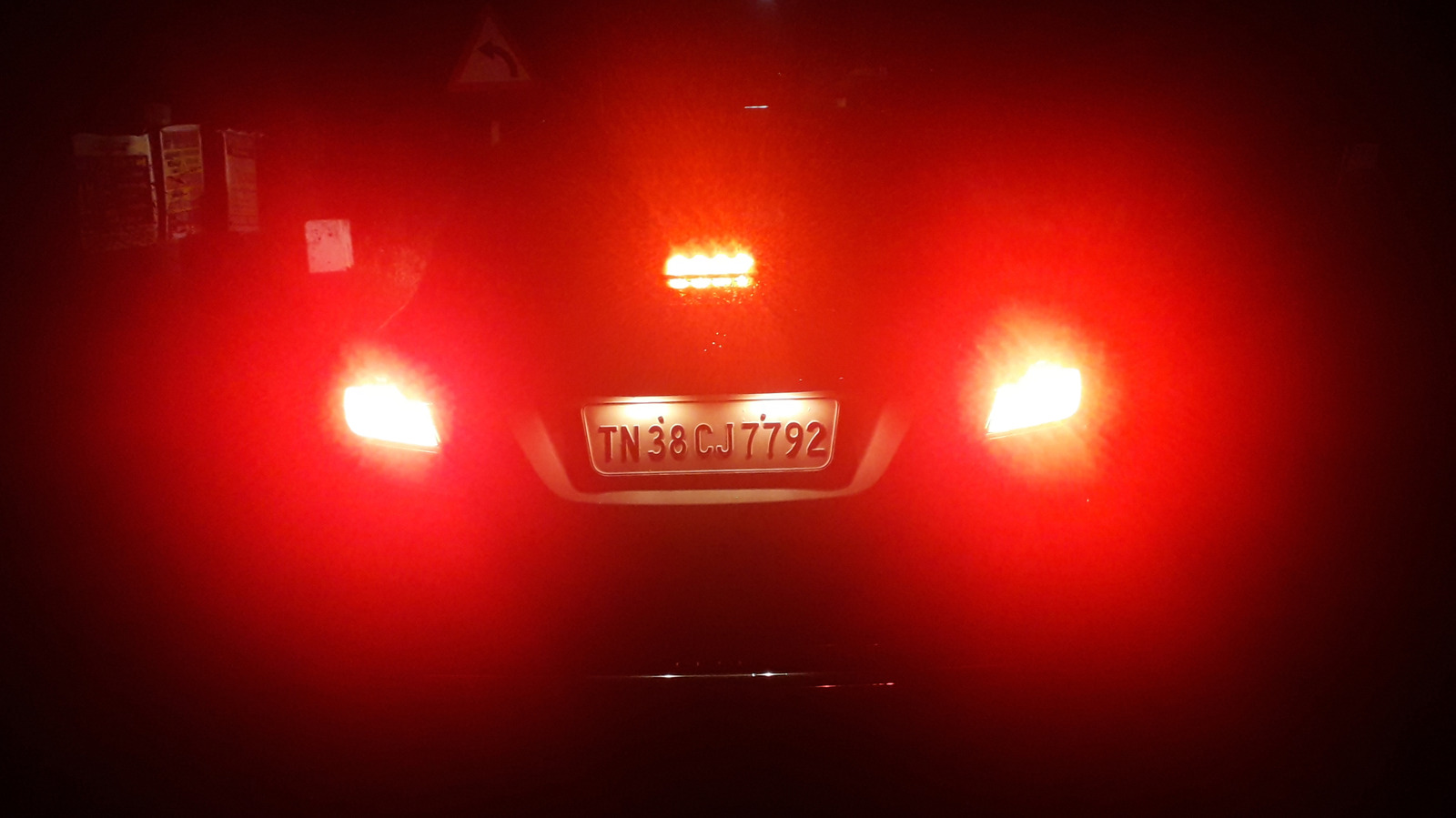
Brake light and tail light bulbs are not universally interchangeable, though some vehicles use identical bulbs for both functions. The critical difference lies in wattage and filament configuration.
Tail lights typically operate at lower brightness, requiring bulbs rated at 5 watts. Brake lights demand higher visibility during emergency stops, so they need bulbs rated at 21 watts. Using a tail light bulb in a brake light socket produces insufficient illumination, creating a safety hazard. Drivers behind you may not see your vehicle stopping.
The reverse scenario presents problems too. Installing a 21-watt brake bulb in a tail light socket can overload the circuit and blow the bulb prematurely. It may also damage the housing with excess heat.
Many modern vehicles use dual-filament bulbs that handle both functions from a single socket. These bulbs contain two separate filaments operating at different wattages. When you tap the brake pedal, the circuit activates the higher-wattage filament. When the lights are simply on, only the lower-wattage filament illuminates. This design eliminates confusion and saves manufacturing complexity.
Your owner's manual specifies the exact bulb type your vehicle requires. Look for designations like 1157 (dual-filament), 1156 (single 21-watt), or 5007 (single 5-watt). LED replacements have further complicated matters. Some LED bulbs offer both functions in one package, while others remain function-specific.
When replacing bulbs, verify the socket location and its intended purpose. A brake light socket on the rear of your vehicle differs electrically from a tail light socket. Installing the wrong bulb compromises safety and violates some traffic regulations. Stick to manufacturer recommendations.
The bottom line: check your manual, identify the socket type, and match