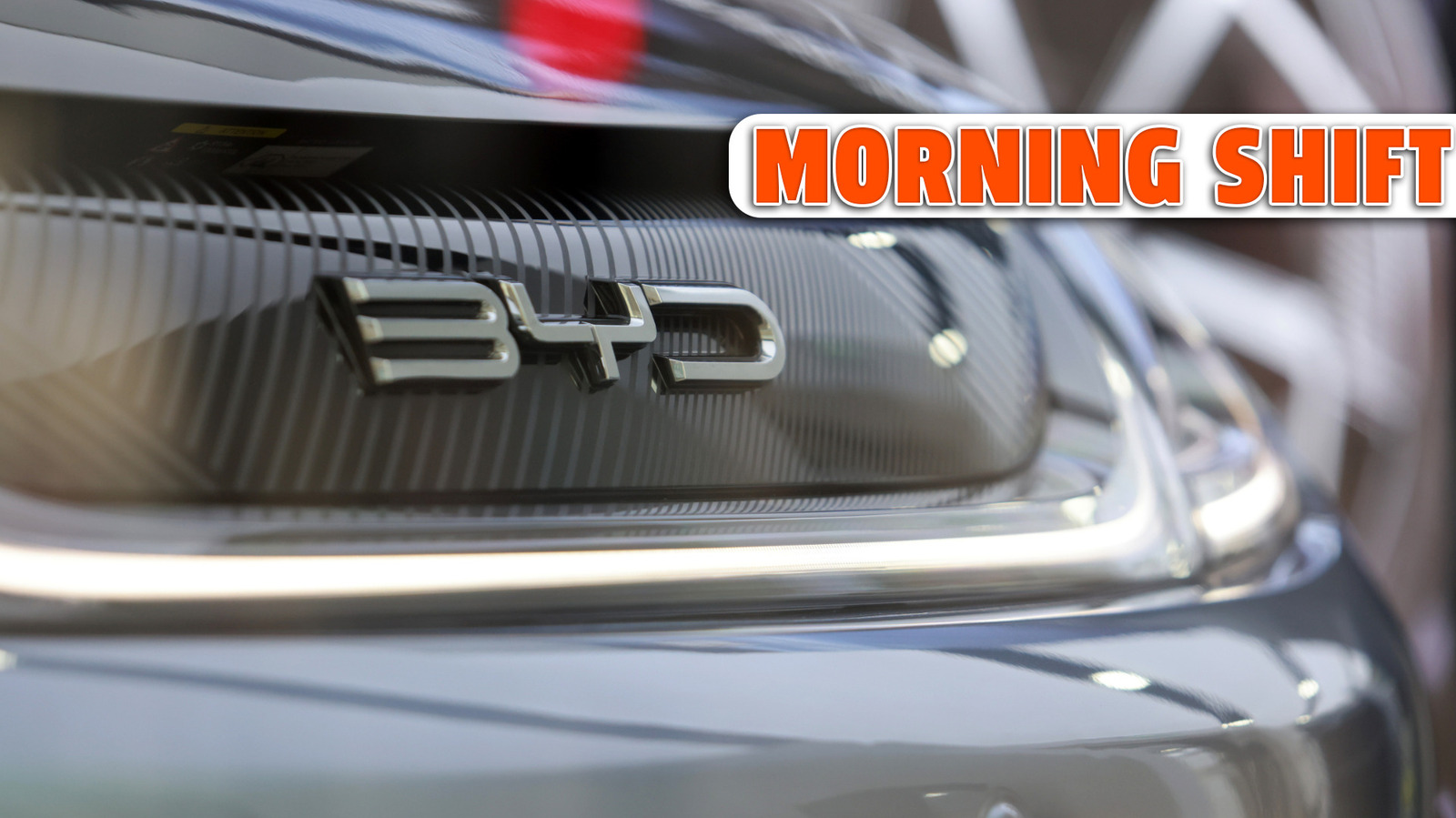
BYD has positioned itself to surpass Tesla in global electric vehicle sales this year, marking a watershed moment in automotive electrification. The Chinese manufacturer benefits from a sprawling product portfolio spanning budget EVs to luxury models, aggressive pricing, and dominance in its home market where EV adoption accelerates faster than anywhere else.
Tesla still holds the premium segment, but BYD's volume strategy proves more effective in capturing total market share. The company manufactures everything from the Seagull, a sub-$10,000 EV aimed at first-time buyers, to upmarket offerings that challenge Tesla's pricing power. BYD also leads in battery production, controlling costs that undercut Western competitors.
Western automakers face mounting pressure in China. Volkswagen, General Motors, and others struggle against local brands that understand regional demand better and execute faster. Joint ventures and traditional dealership networks proved insufficient to compete with BYD's vertically integrated manufacturing and direct-to-consumer sales channels. The Chinese market, home to roughly half global EV sales, increasingly belongs to homegrown players.
Tesla retains technological advantage in autonomous driving and energy management but cannot match BYD's manufacturing scale or cost structure. The company's margins depend on premium positioning, which works at lower volumes but falters when competing on sheer units sold.
The broader industry trend favors volume players who can manufacture affordably while maintaining acceptable quality. Traditional automakers invested too late in EVs and now face entrenched Chinese competition with superior supply chains and battery technology. BYD's ascent signals that the EV market matured from niche luxury goods into mass transportation, where production scale and cost discipline trump brand cachet.