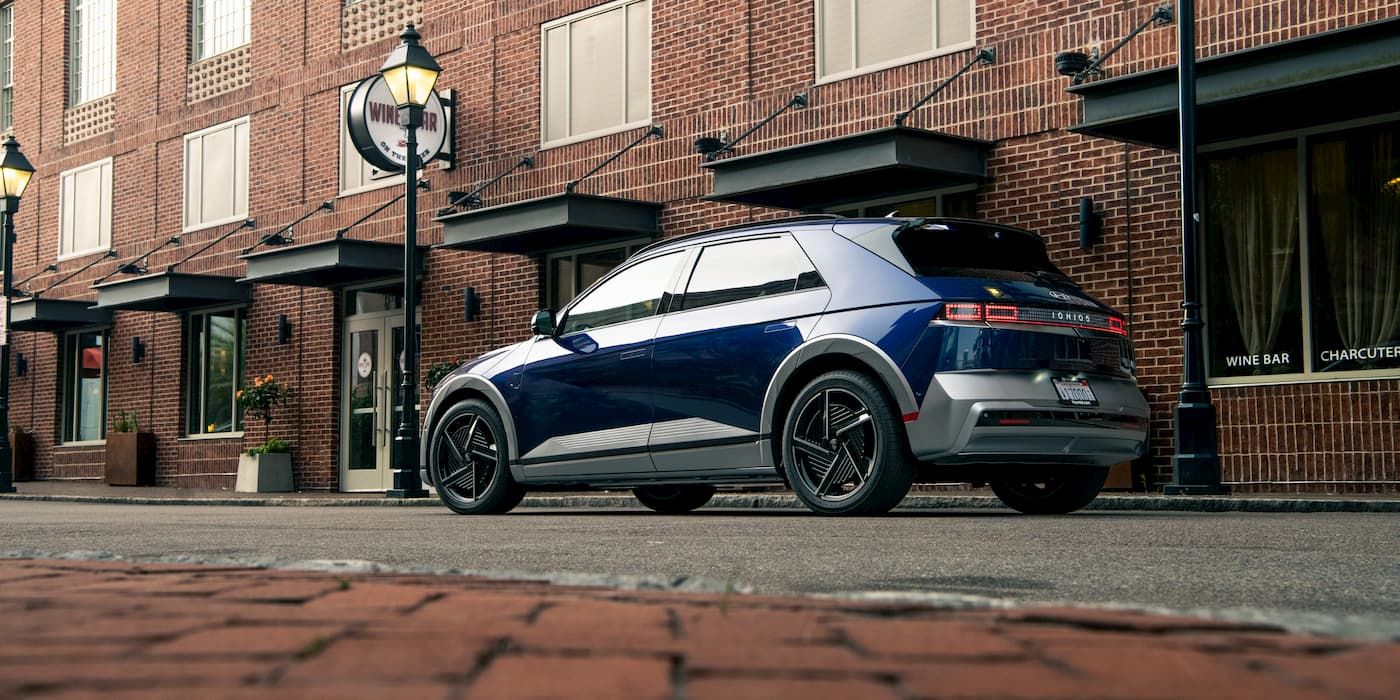
Hyundai's electric vehicle lineup delivered strong first-half 2026 results, with the IONIQ 5 compact crossover surpassing 20,000 units sold. The three-row IONIQ 9 electric SUV posted even more dramatic growth, with sales climbing 380 percent compared to the prior year period.
The IONIQ 5 remains Hyundai's volume driver in the EV segment. The model combines practical five-seat configuration, competitive pricing in the $40,000 to $58,000 range, and sufficient range for mass-market buyers. Its 20,000-unit haul in six months positions it as one of the global EV market's consistent performers, competing directly with Tesla Model Y, BMW i4, and Volkswagen ID.4 in terms of market penetration.
The IONIQ 9's explosive 380 percent growth rate reveals strong consumer appetite for three-row electric family vehicles. Hyundai launched the IONIQ 9 as a direct answer to the Tesla Model X and upcoming electric SUVs from traditional manufacturers. With seating for up to seven passengers and an estimated 300-mile range on certain trims, the IONIQ 9 targets families seeking electric alternatives to gas-powered three-rows without premium pricing.
These results reflect broader industry trends favoring practical electric SUVs over sedans. Consumers increasingly prioritize cargo space, passenger capacity, and versatility in their EV purchases. Hyundai's dual-track approach, offering both compact and large electric SUVs, positions the brand to capture demand across multiple buyer segments.
Hyundai's progress matters in the competitive EV landscape. The Korean manufacturer has invested heavily in electric vehicle development and manufacturing capacity. Strong IONIQ sales volumes justify this commitment while pressuring traditional competitors to accelerate