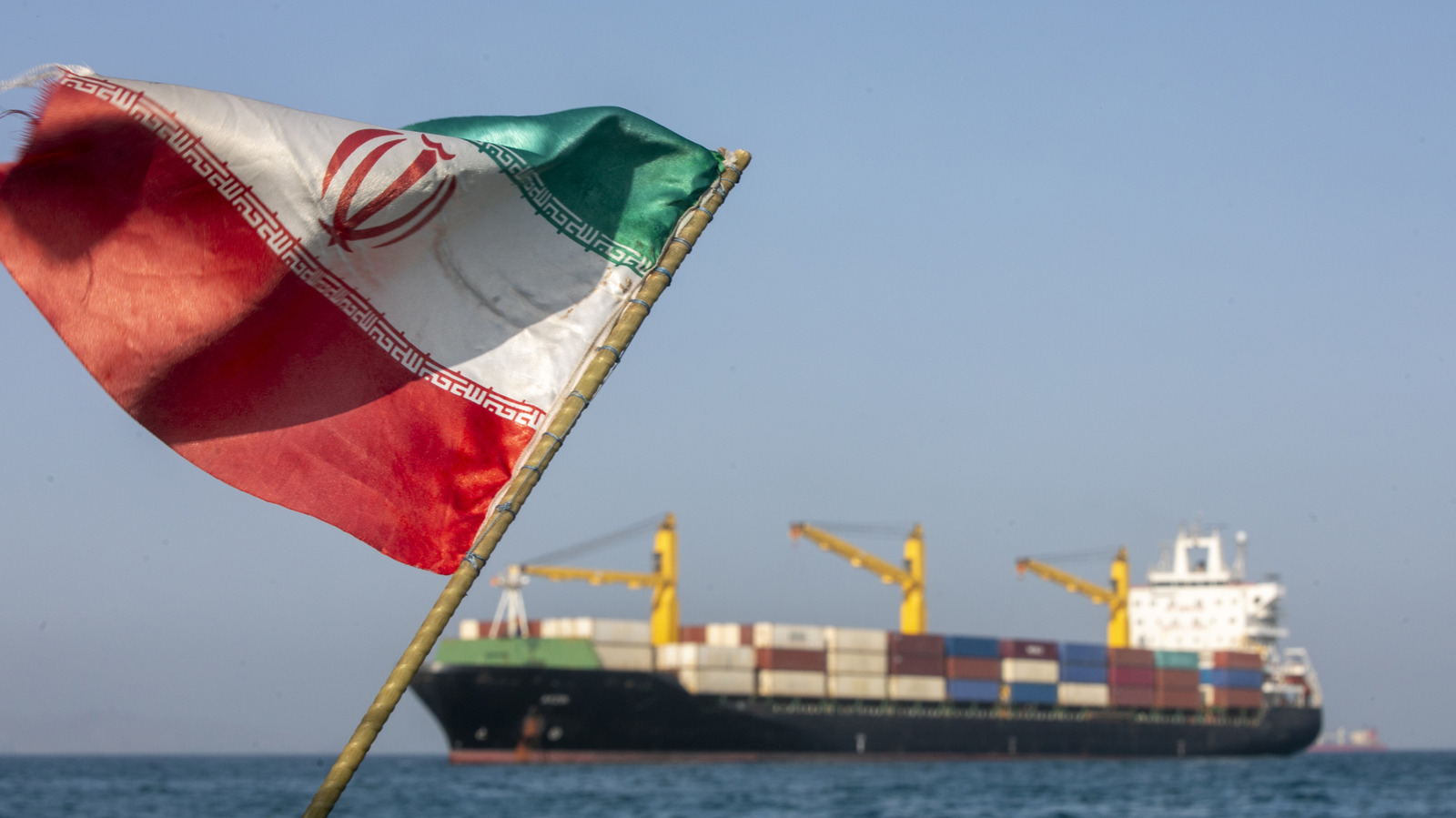
Iran announced plans to replace transit tolls through the Strait of Hormuz with what it calls "voluntary fees," a semantic shift that masks a potential revenue grab affecting global oil markets. The Persian Gulf chokepoint handles roughly 21 percent of the world's seaborne oil trade, making any disruption to passage a serious concern for energy prices and automotive fuel costs.
The Iranian government framed the change as beneficial to shipping, but the vague language around "voluntary fees" and undisclosed pricing structures raises red flags. Oil tankers and cargo vessels transiting the strait face unpredictable costs under this new system, which could inflate operational expenses and ultimately increase gas prices at pumps worldwide.
This move fits Iran's broader pattern of leveraging the Strait of Hormuz as a geopolitical tool. Prior threats to close the waterway have rattled energy markets and driven speculation about fuel scarcity. The automotive industry monitors these developments closely because oil price volatility directly impacts consumer vehicle purchases, production timelines, and EV adoption rates.
For drivers, the fallout depends on how aggressively Iran enforces these "fees." If shipping companies absorb costs, it matters less at the pump. If they pass expenses downstream, crude prices spike, and filling a tank becomes measurably more expensive. The EV transition accelerates during periods of oil price uncertainty, so this could indirectly boost electric vehicle sales among cost-conscious buyers.
Major automakers source parts and fuel through global supply chains that depend on Strait of Hormuz passage. Any disruption ripples through manufacturing schedules and inventory management. Oil majors that fuel the industry pay close attention to Iranian policy shifts.
The vagueness of Iran's announcement itself signals trouble. Clear tolls create predictability; "voluntary fees" create leverage for extortion. Shipping insurers will likely demand premiums for transit, compounding costs