# Semi-Truck Vs Full Truck: What's The Difference?
The term "semi-truck" confuses many drivers because the name doesn't describe what separates it from a conventional truck. A semi-truck isn't half of anything. Instead, the name refers to the trailer configuration.
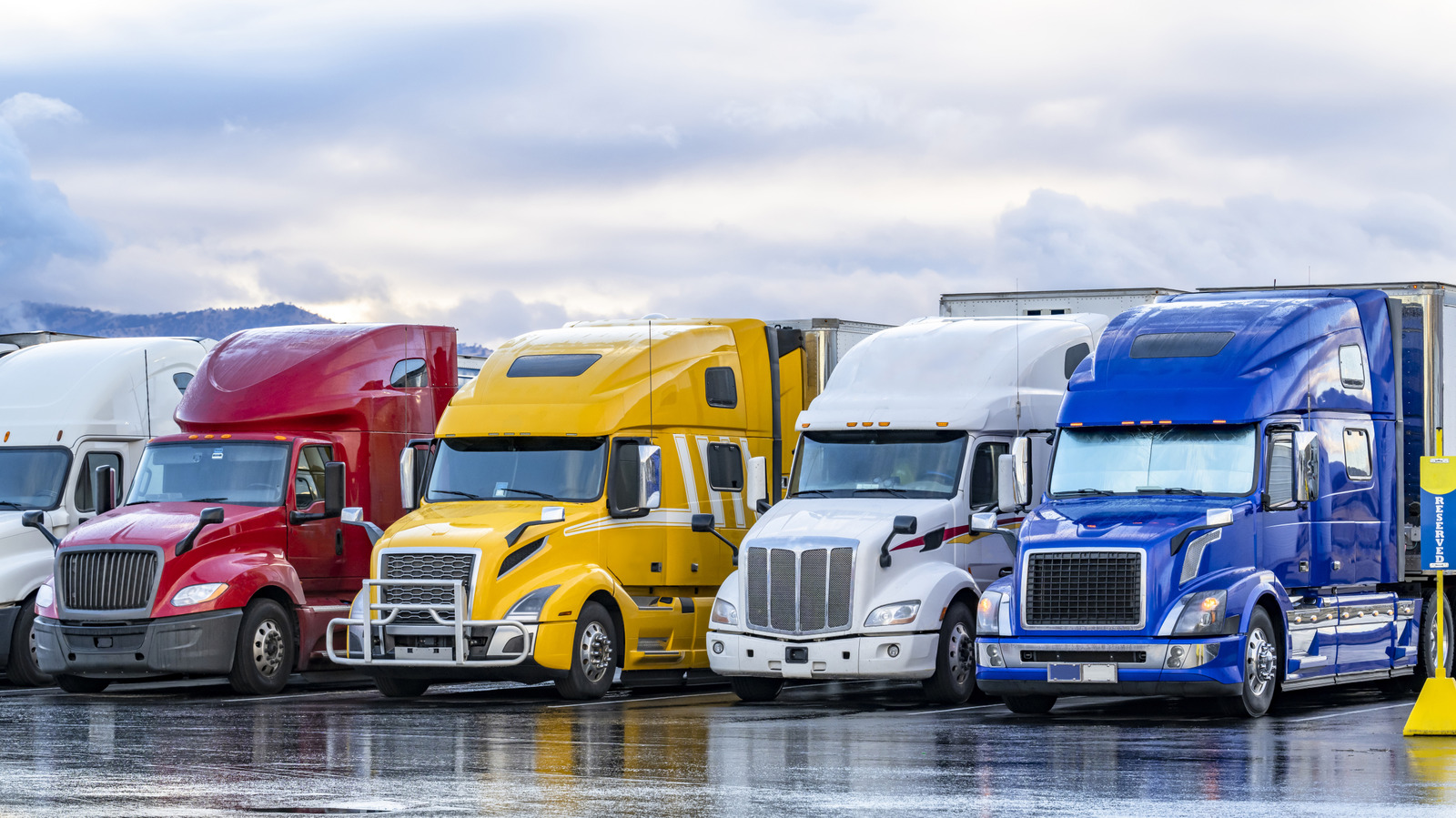
A semi-truck consists of a tractor unit that pulls a detachable trailer. The trailer rests on the tractor's fifth wheel coupling, which supports roughly 40 percent of the trailer's weight. The front axles of the tractor carry the remaining weight. This weight distribution matters for handling and stability. The "semi" designation comes from the trailer being semi-supported by the tractor rather than fully supported.
A full truck, by contrast, features an integrated cargo bed permanently attached to the chassis. The weight sits entirely on the truck's frame. These vehicles cannot detach their cargo compartments. Common examples include pickup trucks, dump trucks, and box trucks used in local delivery.
The engineering difference drives operational advantages. Semi-trucks excel at hauling massive loads across long distances because operators can swap trailers without moving the tractor. A driver drops one trailer at a distribution center and hooks another without waiting for cargo unloading. This efficiency makes semis the backbone of cross-country logistics.
Full trucks work better for shorter routes and diverse cargo types. A construction dump truck hauls gravel one day and debris the next. A pickup truck handles everything from local deliveries to job-site work. Their integrated design provides easier access to cargo and simpler operation.
The distinction extends beyond just trailer attachment. Semi-trucks require commercial driver's licenses in most jurisdictions. Federal regulations cap their size and weight more strictly than full trucks in certain states. Insurance costs differ significantly. Fuel economy calculations favor full trucks for lighter loads due to their simpler powertrains.
Modern logistics rely almost entirely on sem