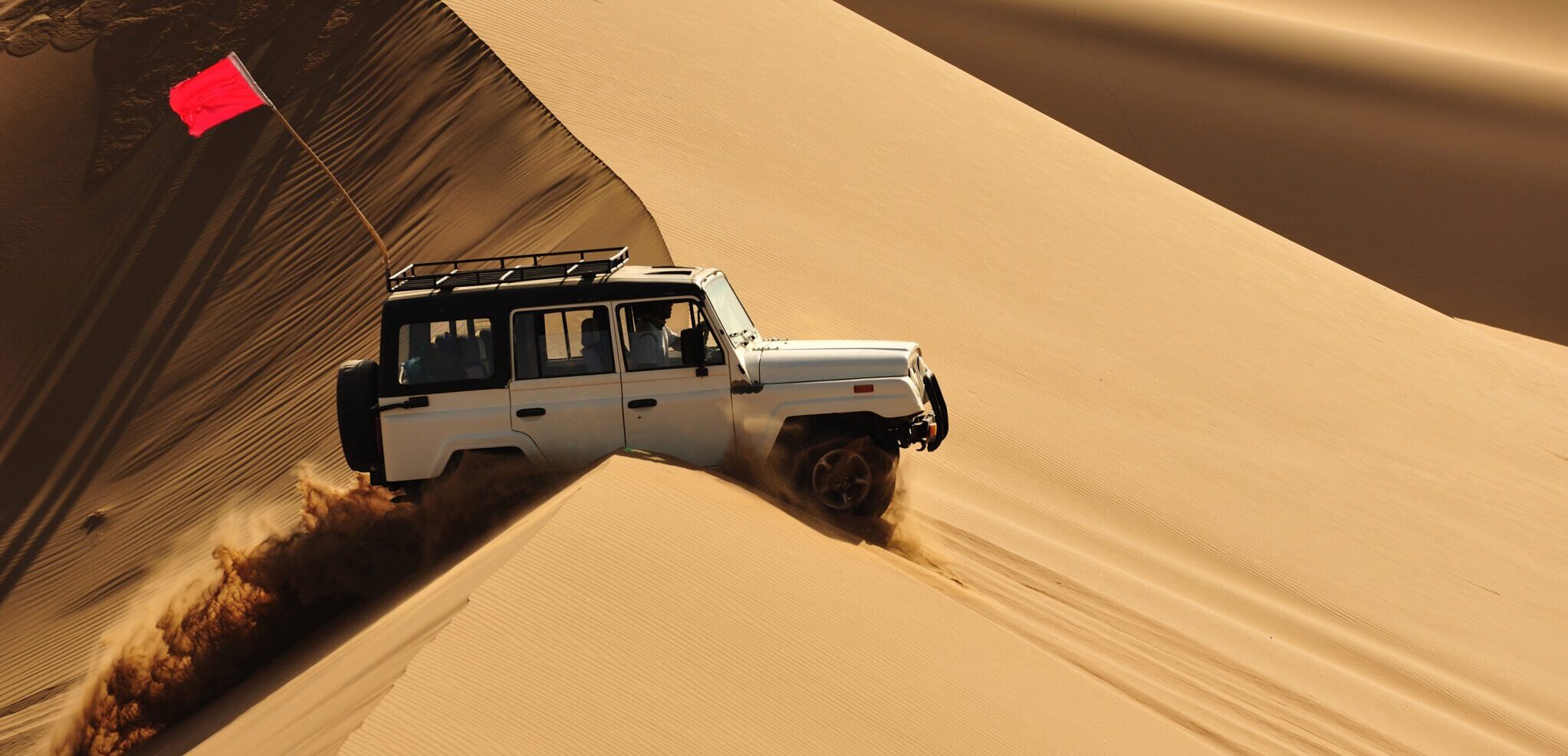
Stellantis confirmed plans to manufacture Jeep vehicles in China for European distribution starting by 2030. The automaker will leverage Chinese production capacity to serve the continent's market while maintaining cost competitiveness against rivals ramping up electric vehicle portfolios.
The strategy reflects Stellantis' broader approach to global sourcing. China's manufacturing base offers economies of scale that Detroit's legacy costs cannot match. By producing in Asia for European sale, Stellantis can price aggressively against Volkswagen, BMW, and Mercedes-Benz as they transition to electrification. European tariffs on Chinese-made vehicles could complicate execution, but Stellantis appears confident in navigating regulatory frameworks.
Stellantis emphasized that Chinese manufacturing will not compromise Jeep's American brand identity. The company recognizes that heritage matters in premium segments. Jeep's cachet rests on its legacy of off-road capability and authenticity. Stamping "Made in China" on a Wrangler or Grand Cherokee carries perception risk, despite quality improvements in Chinese production facilities over the past decade.
This move positions Jeep to compete in Europe's highly competitive SUV market without sacrificing profitability. Stellantis owns multiple brands across price tiers. Chinese production allows Jeep to undercut domestic European producers while protecting margin. The 2030 timeline aligns with Stellantis' electrification roadmap. A China-built Jeep for Europe likely debuts as an electric or plug-in hybrid model, matching regulatory demands for reduced emissions.
Chinese automakers like BYD, Geely, and Nio already export vehicles to Europe. Stellantis gains advantage through established dealer networks and brand recognition. Still, perceptions of Chinese quality have shifted dramatically. Contemporary Chinese vehicles match European standards in durability and finish.
The strategy carries execution risk. Supply