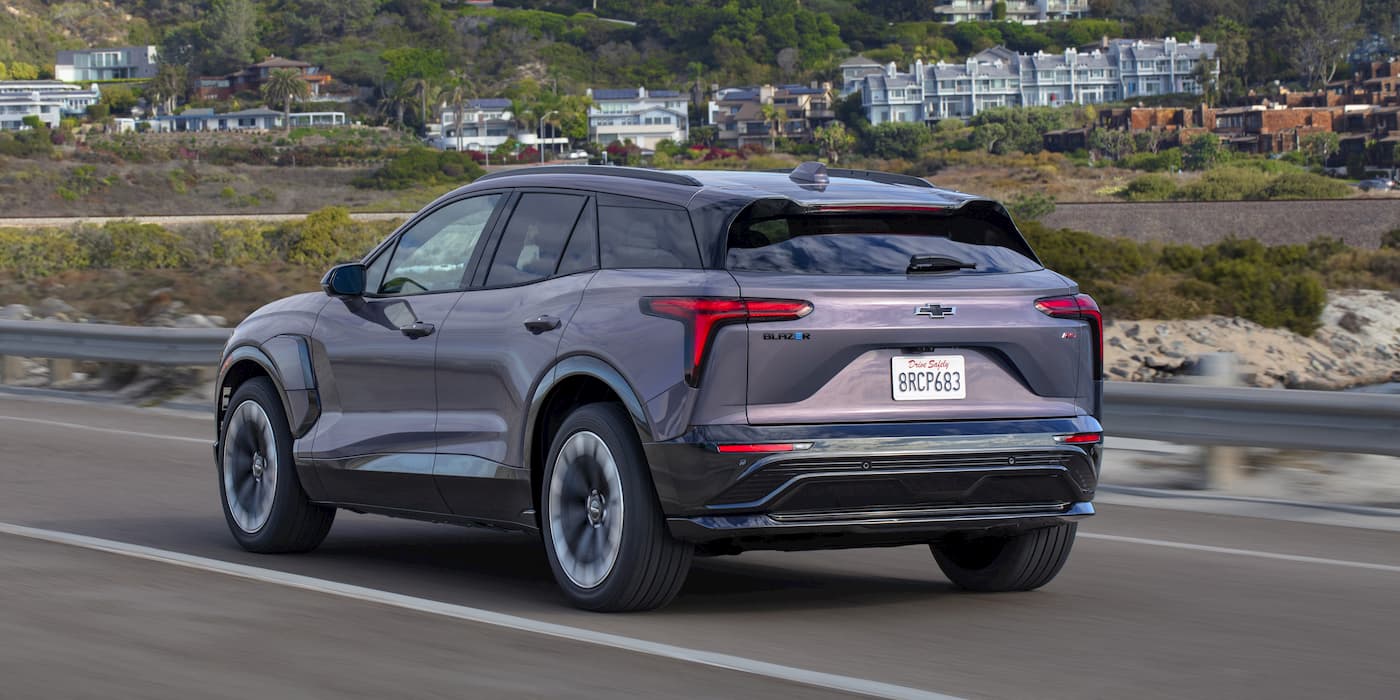
Chevrolet holds the line on pricing for the 2027 Blazer EV, keeping it at the same cost as the current generation while adding meaningful upgrades. The redesigned electric crossover gains a native NACS charging port, ditching the adapter requirement that has plagued Tesla owners using non-Tesla networks. Beyond the connector swap, Chevy bundles in fresh styling, updated interior tech, and refined driving dynamics.
This decision represents smart positioning in the competitive EV crossover segment. The Blazer EV competes directly with the Tesla Model Y, Hyundai Ioniq 5, and Kia EV6. Those rivals have all pushed prices higher in recent model years, forcing buyers to stretch their budgets. Chevy's refusal to raise prices signals confidence in market demand and manufacturing efficiency gains.
The NACS adoption matters more than it appears. When the Blazer EV launched, it shipped with a CCS port and required an adapter to use Tesla's Supercharger network. The transition eliminated that friction point for owners considering multiple charging networks. NACS standardization across American EVs streamlines the charging experience and removes a purchasing objection that sales teams fielded constantly.
Industry pricing discipline has cracked over the past eighteen months. Ford raised F-150 Lightning and Mustang Mang prices. GM itself hiked Ultium-platform vehicles earlier in their lifecycles. Consumer resistance to sticker shock has slowed EV adoption growth, creating an opening for Chevy to differentiate on value. A stable price tag becomes a marketing advantage when competitors keep climbing.
The timing helps. Coming into 2027, the EV market expects maturation in battery costs and component pricing. Chevy leverages those savings rather than passing them directly to consumers. This approach builds loyalty in an audience increasingly sensitive to total cost of ownership