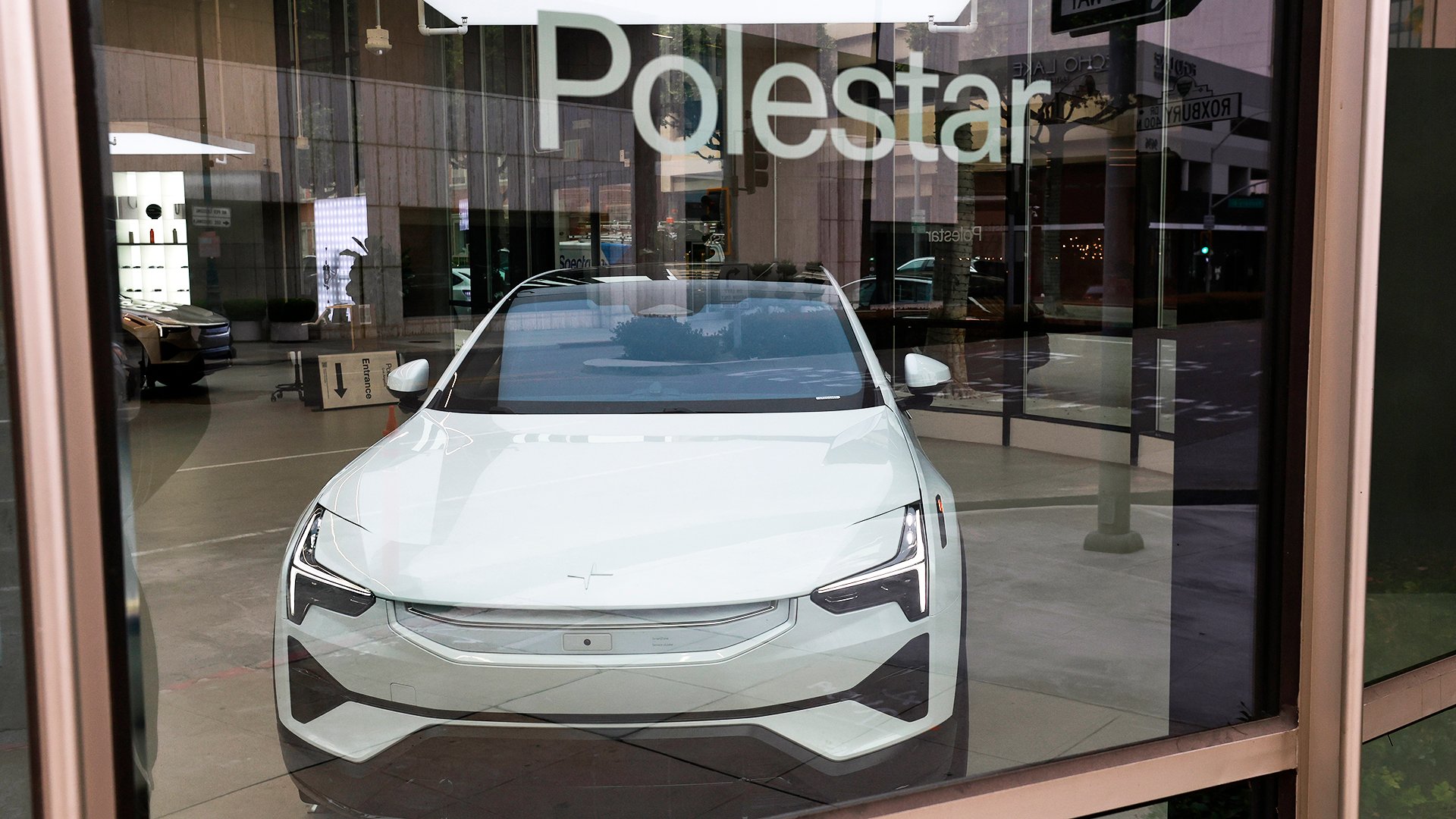
Polestar's forced withdrawal from the U.S. market has created immediate chaos across its dealer network, with franchises, company leadership, and current owners left without clear answers about warranty support, service access, or the fate of existing inventory.
The Swedish-Chinese EV brand, owned by Volvo and Geely, built a dealer presence across America with standalone Polestar Studios designed to showcase its performance-focused electric vehicles like the Polestar 2 and Polestar 3. That infrastructure now sits in limbo. Dealers report uncertainty about whether they'll receive compensation for unsold stock, how long service facilities will remain operational, and what legal obligations Polestar retains toward buyers.
Owners face real concerns. An EV purchase carries long-term commitment to brand infrastructure. With Polestar potentially exiting, questions mount about parts availability, software updates, warranty claims, and resale value. The company has provided minimal guidance on these issues.
The collapse stems from regulatory and market pressures. Polestar, like other Chinese-backed automakers, faced increasing scrutiny around national security and supply chain transparency. The brand never achieved significant volume in America, and dealer profitability remained elusive. Rather than fight the headwinds, Polestar appears to have cut losses.
The aftermath reveals how fragile niche EV brands remain. Unlike Tesla's vertically integrated service network, Polestar relied on traditional dealer agreements. When those relationships dissolve, the entire support structure evaporates. Dealers hired staff, invested in training, stocked parts, and signed long-term leases based on brand promises.
Polestar's handling exposes a recurring industry pattern. Premium EV upstarts struggle with profitability and market acceptance, forcing hasty retreats that leave stakeholders stranded. The brand had positioned itself as