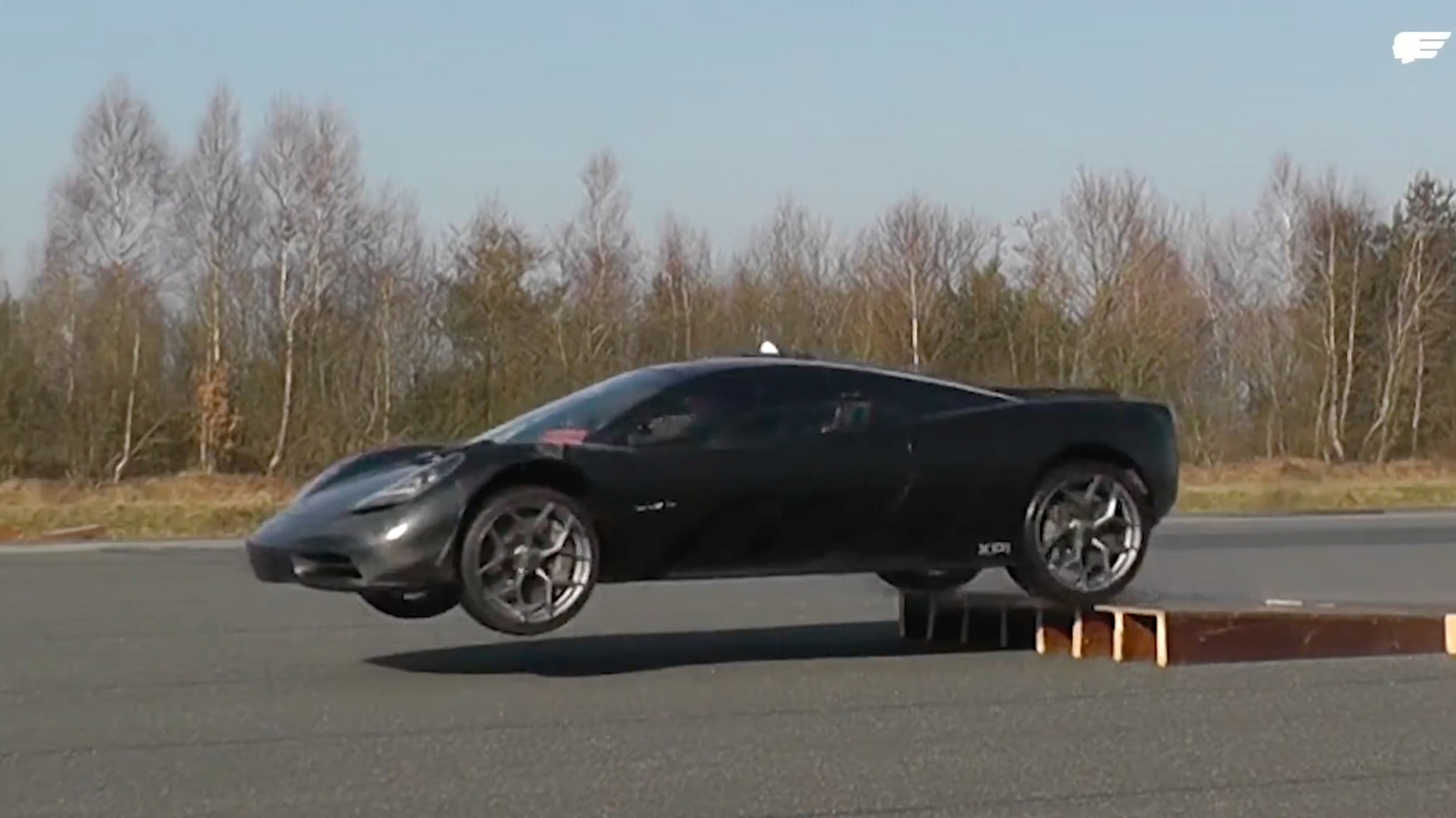
Automakers conduct extensive durability testing before vehicles hit the market, subjecting prototypes to extreme conditions that simulate years of real-world abuse in compressed timeframes. These tests push components to their limits, revealing potential failures before production begins.
Engineers run vehicles through thermal cycling, exposing them to temperature swings from well below freezing to extreme heat. Suspension systems endure thousands of pothole impacts on test tracks. Engines run at redline for extended periods to verify cooling systems and internal component reliability. Transmission fluid gets cycled through repeated shifts and holds extreme pressures. Electrical systems face salt spray and moisture exposure to catch corrosion issues.
Crash testing remains mandatory across all markets, with standardized protocols from NHTSA and IIHS pushing vehicles into barriers at various angles and speeds. Rollover tests measure roof strength and occupant protection. Seat belt systems absorb repeated deployment cycles.
Water fording tests ensure seals and electrical connectors survive submersion. Mud and sand exposure reveals seal vulnerability. Durability engineers also run vehicles on washboard roads that generate intense vibration across every fastener and panel. High-mileage testing covers 100,000 miles or more in just weeks, with technicians documenting every fluid leak, rattle, and electrical glitch.
This rigorous approach explains why modern vehicles exhibit far greater reliability than predecessors from decades past. A 200,000-mile lifespan now appears routine rather than exceptional. Manufacturers recognize that durability directly impacts resale values, warranty costs, and brand reputation.
Consumer reports of real-world abuse—muddy trails, saltwater exposure, towing extreme loads—feed back into engineering departments and inform next-generation testing protocols. The gap between factory testing and actual owner experience continues to narrow, though occasional manufacturing defects still slip through quality control.