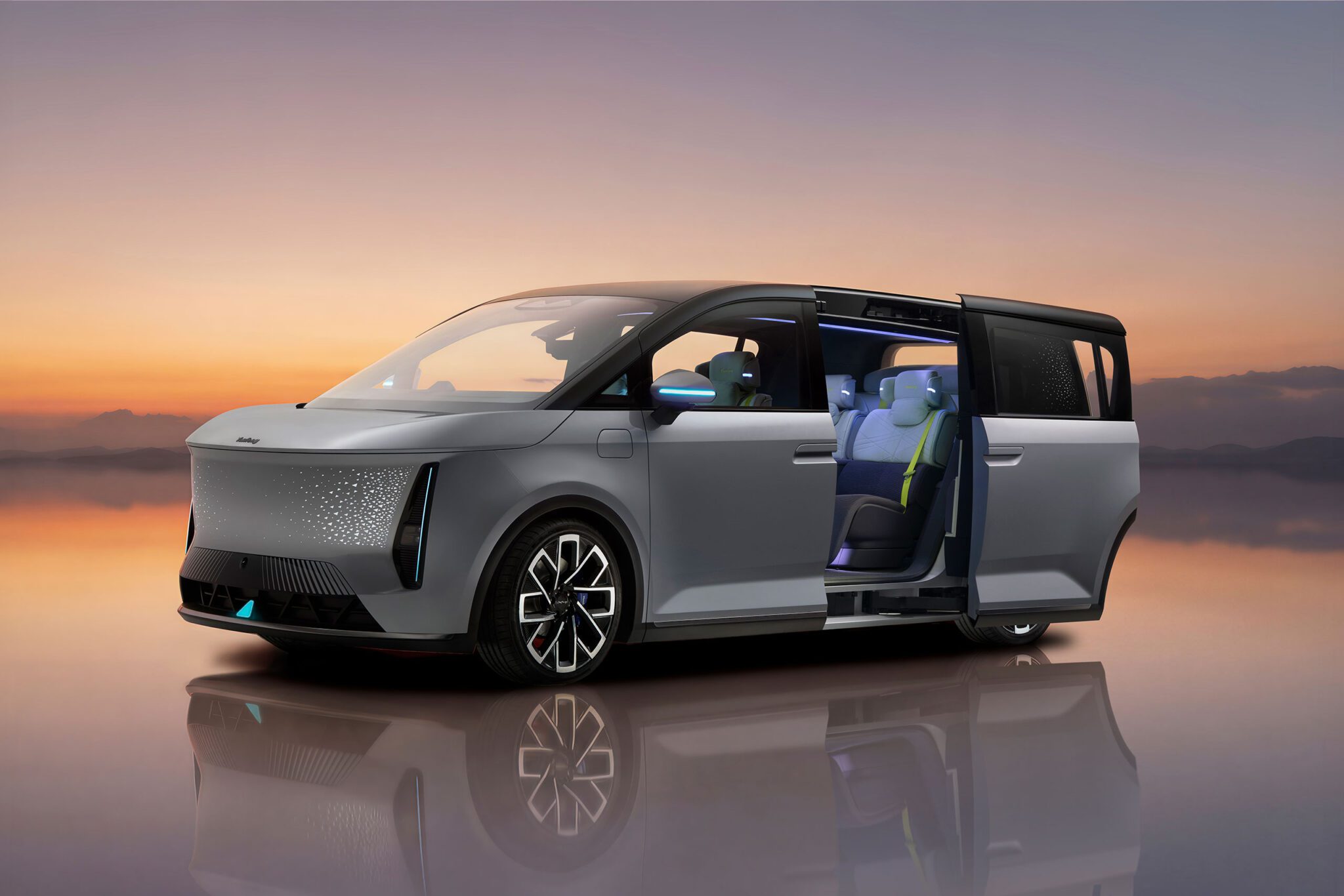
Yanfeng, the Chinese automotive interiors giant, unveiled the XiM27, a production-ready cabin system engineered for Level 3 autonomous vehicles. The system moves autonomous interiors from concept demos into actual deployable hardware.
The XiM27 centers on AI-powered seating that adapts to the vehicle's autonomous driving state. When the car handles driving tasks, seats reconfigure for passenger comfort and productivity. The system monitors driver attention and readiness to retake control when needed, a critical requirement for Level 3 operation where human intervention remains essential.
Yanfeng designed the cabin around SAE Level 3 capability, where vehicles drive autonomously under defined conditions but require driver takeover outside those parameters. This demands interiors that transition seamlessly between autonomous and manual modes. The XiM27 addresses this by repositioning seating geometry, adjusting displays, and reorganizing the dashboard based on driving state.
The shift from concept to production readiness matters. Autonomous interior designers have shown flashy demos for years. Yanfeng's approach signals manufacturers can actually build and certify these systems today. The company targets integration into production vehicles, not prototype vehicles.
AI seating itself represents practical engineering rather than novelty. Seats that track driver posture and eye movement feed data to the autonomous system, ensuring occupants stay alert enough to take control if required. This addresses a genuine safety gap in Level 3 systems. A driver dozing in a reclined seat cannot safely regain control in seconds.
Yanfeng competes directly with other Tier 1 suppliers like Adient, Lear, and Faurecia in the autonomous interior race. Chinese OEMs developing Level 3 vehicles need suppliers who understand local market demands and certification timelines. Yanfeng's production readiness gives it an edge over Western competitors still refining autonomous