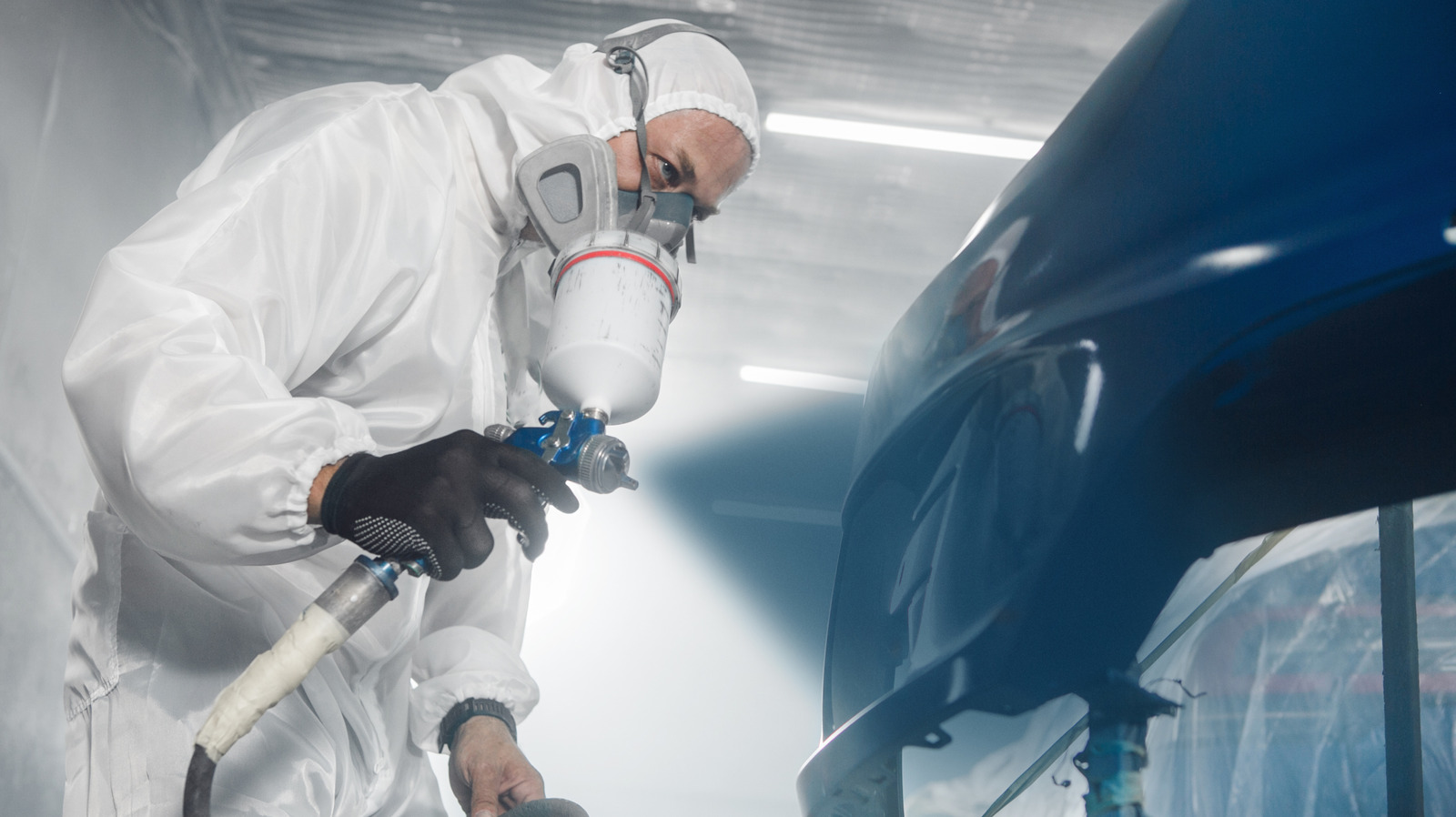
Repainting carbon fiber car parts requires precision that most DIY enthusiasts underestimate. The material's unique structure demands specific preparation and finishing techniques that differ fundamentally from standard automotive paint work.
Carbon fiber's layered construction creates challenges traditional metal doesn't present. The epoxy resin matrix resists adhesion differently than sheet metal or plastic, meaning standard primer won't bond properly. Skipping proper surface preparation leads to peeling, cracking, and complete paint failure within months, especially under UV exposure or temperature cycling.
The correct process begins with wet sanding the existing clear coat and paint down to the resin layer using 400-600 grit paper. This removes the old finish and creates surface texture for new material to grip. Dust removal follows with tack cloths and compressed air. Any residue prevents primer adhesion.
Next comes epoxy primer designed specifically for composites. Two-part primers provide superior adhesion compared to single-stage products. Most professionals apply two coats, allowing full cure time between applications. This step separates success from failure.
Base coat application follows standard automotive practice, but carbon fiber parts often sit at awkward angles that make even coverage difficult. Multiple thin coats beat one thick coat. Clear coat protects against UV damage and provides the final gloss finish.
The timeline matters. Rushing between coats compromises structural integrity of the paint layers. Temperature and humidity control during application prevents fisheye defects and sagging.
Cost considerations matter too. Professional-grade materials run $50 to $100 per small part. Labor at a shop adds $200 to $500 depending on part complexity. DIY savings evaporate quickly if the initial attempt fails and requires stripping and redoing.
Carbon fiber's rising popularity in aftermarket parts means more owners attempt this work themselves. Success hinges on understanding that carbon fiber demands respect and methodology.