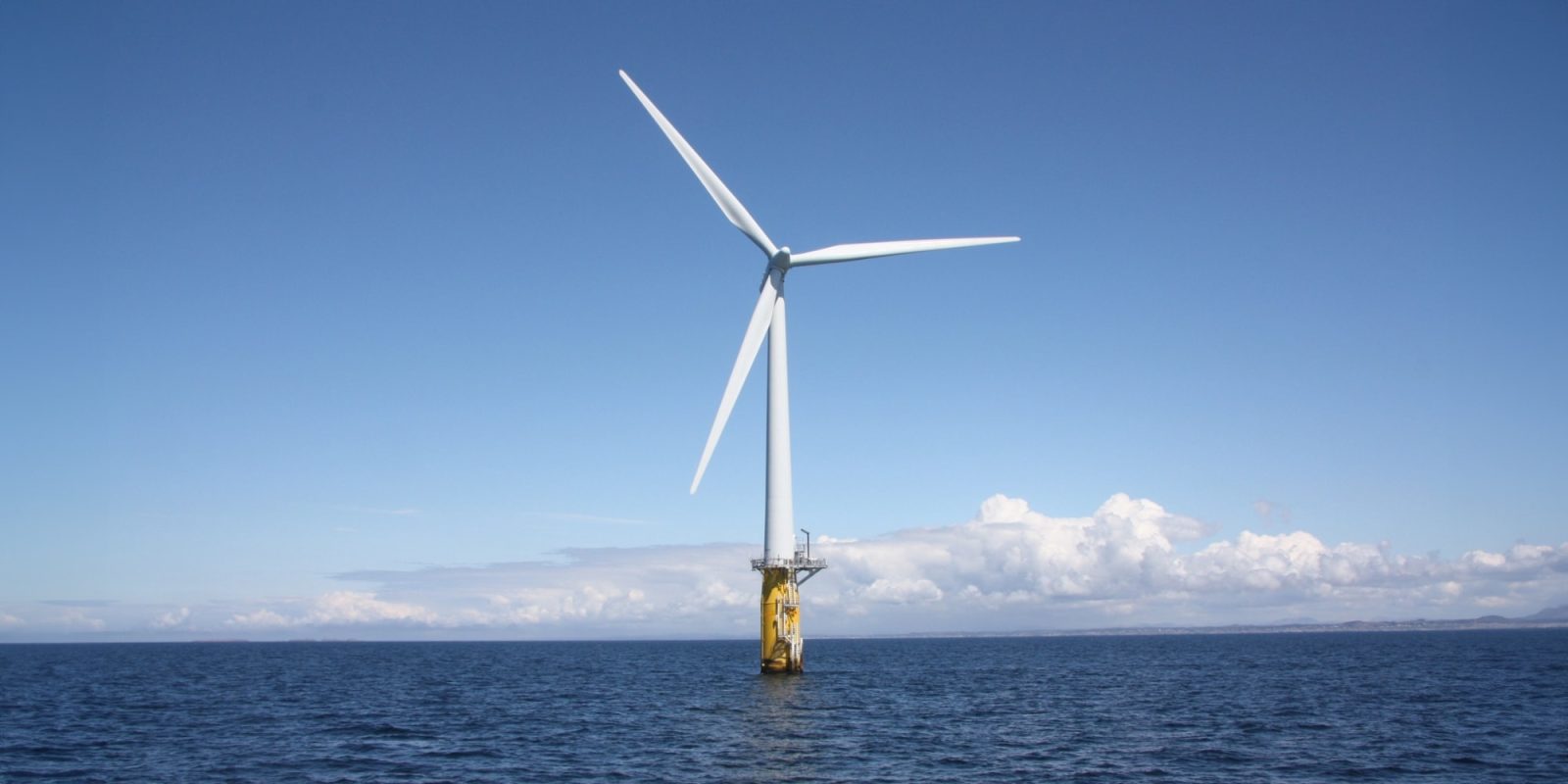
California's Attorney General filed a notice of intent to sue the Department of the Interior over actions blocking offshore wind power projects, including two developments planned off the state's central coast. The state claims the federal agency's moves represent an improper attempt to obstruct renewable energy infrastructure.
The dispute centers on offshore wind farms that California needs to meet its clean energy targets and reduce dependence on fossil fuels. These projects represent critical capacity additions in a state already pushing aggressive decarbonization timelines. The central coast locations offer consistent wind resources and proximity to population centers requiring power.
The Interior Department's actions signal a shift in federal wind policy. Blocking offshore projects affects the broader renewable energy buildout across U.S. waters, where wind developers have invested heavily in permitting and site assessments. California's legal challenge represents one of the first direct confrontations between state and federal authorities over wind development authority.
The automotive industry watches these energy policy battles closely. EV adoption depends on grid capacity and clean power generation. If offshore wind projects stall nationwide, states struggle to add the generation capacity needed for mass electrification. Automakers planning EV transitions rely on state and federal commitments to expand renewable sources, which reduces the carbon intensity of vehicle charging.
California leads U.S. EV sales and mandates that all new passenger vehicles sold in the state be zero-emission by 2035. Meeting that target requires reliable, abundant clean electricity. Wind power offshore and onshore forms a cornerstone of that supply chain.
The lawsuit filing does not automatically trigger litigation but signals California's determination to challenge the Interior Department's authority. The notice gives the federal government 60 days to respond before actual legal proceedings begin. Success could unlock billions in renewable energy investment and accelerate the grid modernization necessary for widespread EV adoption.
Expect other coastal states to monitor this case closely. Massachusetts, New York, and other regions with planned offshore wind projects