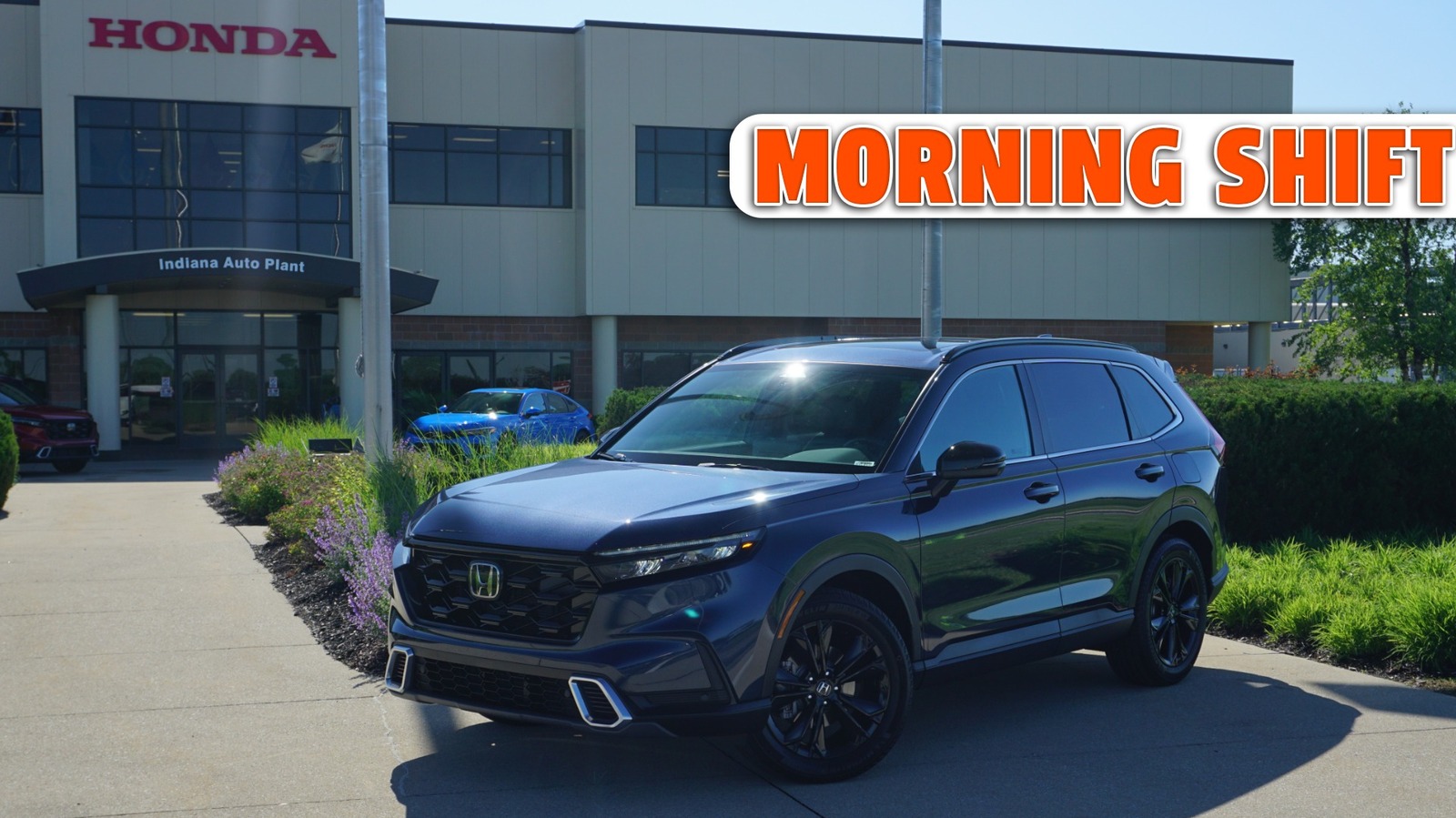
Honda's CR-V compact crossover has seized the 2026 sales crown, capitalizing on Ford F-150 production hiccups and Toyota RAV4 supply constraints that weakened competitors' market positions. The three-row crossover's reliability record and proven resale value proved decisive as buyers shifted purchasing decisions away from troubled rivals.
Ford's full-size truck faced manufacturing complications that disrupted delivery schedules, while Toyota's RAV4, typically the segment's dominant force, encountered supply-chain bottlenecks that kept inventory lean at dealerships. This window allowed Honda to move aggressively with CR-V inventory and competitive pricing, positioning the model as the safer choice for practical buyers prioritizing availability and warranty coverage.
Nissan's CEO announced plans to shed the company's rental car fleet reputation, signaling a strategic pivot toward retail customers and brand prestige. The company has struggled with negative perceptions tied to high fleet sales, which drag residual values and brand desirability. Dealerships will likely see shifts in inventory allocation as Nissan reduces bulk sales to rental operators.
Stellantis delivered strong Q2 momentum with a 6% sales increase, driven primarily by Ram truck demand and Jeep's continued crossover appeal. The conglomerate's diverse portfolio weathered production challenges better than single-brand competitors, though the company still faces pricing pressure from Toyota and Honda in mainstream segments.
Ford issued additional recalls affecting multiple nameplates, compounding the F-150's troubled year. Quality control lapses have eroded buyer confidence just as the truck faces heightened competition from Ram 1500 and Chevrolet Silverado buyers seeking reliability alternatives.
The CR-V's ascent reflects an industry-wide pattern. Buyers gravitate toward proven products with minimal production drama. Honda's operational discipline and consistent supply have become competitive advantages in a fragmented market where